
Understanding Cancel Culture
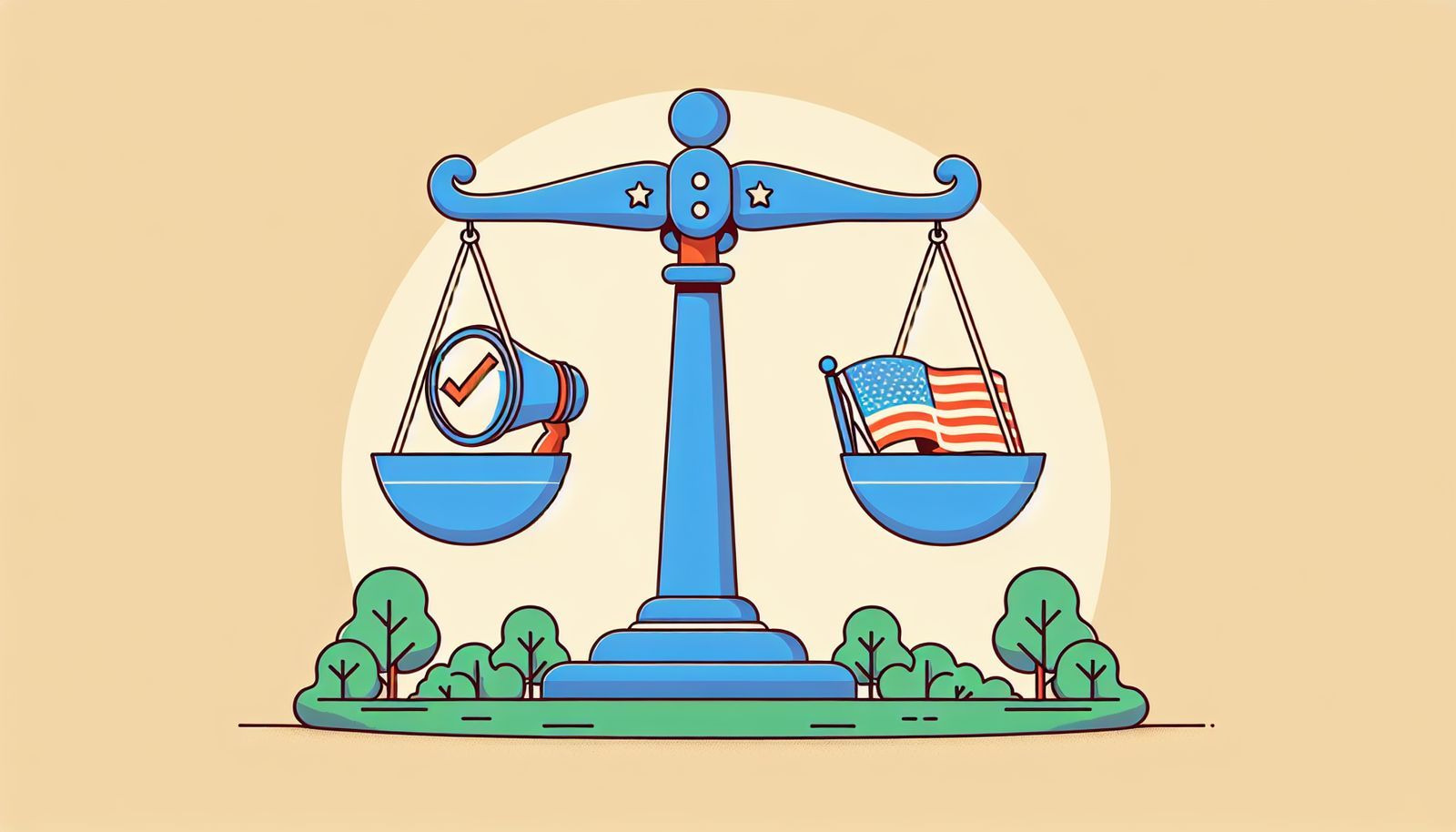
Cancel culture has become a prominent topic of discussion in contemporary society, especially within the realms of social media, politics, and entertainment. It refers to the practice of withdrawing support for public figures or companies after they have done or said something considered objectionable or offensive. Advocates see it as a method of holding individuals accountable for their actions, while critics argue that it poses a significant threat to free speech. The complexity of this debate highlights the varied perspectives on both accountability and the implications for discourse in public life.
The Case for Accountability
Proponents of cancel culture argue that it serves as an essential tool for social justice and accountability. In instances where traditional avenues for addressing grievances fail, cancel culture offers a platform for marginalized voices to demand change. Supporters assert that it empowers individuals to take a stand against harmful behavior, especially in cases involving systemic injustices such as racism, sexism, and homophobia.
For many, cancel culture has become a way to highlight the consequences of problematic behavior. By calling out individuals and organizations that perpetuate harm, advocates believe they are fostering a more equitable society. They argue that public accountability is necessary when individuals in power misuse their influence, and that social media provides a means for the public to mobilize and demand change.
The Risks of Overreach
However, critics of cancel culture caution against its potential for overreach. They argue that the phenomenon can lead to swift, disproportionate consequences, where individuals are "canceled" without a fair hearing or the opportunity for redemption. This can foster an environment of fear, where people are reluctant to express their views or engage in open dialogue for fear of backlash.
Moreover, some critics contend that cancel culture can devolve into mob mentality, where the collective outrage can overshadow nuanced discussions. They express concerns that this may lead to a chilling effect, stifling free expression and creativity. The fear of being canceled can inhibit individuals from sharing their perspectives, ultimately undermining the very principles of free speech that many advocates claim to uphold.
The Role of Social Media
Social media plays a crucial role in the rise of cancel culture, amplifying voices and allowing for rapid dissemination of information. Proponents argue that platforms like Twitter and Facebook democratize discourse, giving a voice to those who may have been marginalized in traditional media. This instantaneous communication can elevate social justice issues and mobilize collective action.
Conversely, critics argue that social media can distort the narrative around events, as information is often shared without context or verification. This can lead to misinformation and misrepresentation, which may contribute to unjust cancellations. The speed at which information circulates on social media can also hinder thoughtful discourse, reducing complex issues to soundbites that lack depth and understanding.
The Impact on Public Figures and Institutions
The impact of cancel culture on public figures and institutions has garnered significant attention. For celebrities, politicians, and influencers, the stakes are high, as public perception can shift dramatically based on a single misstep. Many argue that this creates an environment where figures are held to impossibly high standards and that the fear of being canceled can stifle genuine growth and evolution.
On the institutional level, organizations often face pressure to take a stance on controversial issues, leading to public relations crises. Some argue that this can result in performative actions that prioritize optics over substantive change, ultimately failing to address the underlying issues at hand. Critics suggest that institutions should focus on fostering open dialogue and creating safe spaces for discussion rather than succumbing to the fear of backlash.
The Question of Redemption
A crucial aspect of the cancel culture debate revolves around the question of redemption. Many advocates emphasize the importance of accountability but recognize that people can learn and grow from their mistakes. They argue that cancel culture should not be about ostracizing individuals permanently but rather about fostering an environment where people can reflect on their actions and strive for improvement.
On the other hand, critics contend that the current landscape often leaves little room for redemption. They argue that once someone is canceled, it can be challenging for them to regain their standing, regardless of any efforts to change. This raises questions about the nature of accountability: should it involve the possibility of forgiveness, or should it result in lasting consequences?
The Nuances of Free Speech
The intersection of cancel culture and free speech is fraught with nuances. Advocates for free speech often highlight the importance of protecting diverse viewpoints, even those that may be offensive or controversial. They argue that open discourse is fundamental to a democratic society, and that cancel culture undermines this principle by discouraging individuals from expressing their opinions.
Conversely, supporters of cancel culture contend that free speech does not equate to freedom from consequences. They argue that individuals should be prepared to face backlash for harmful statements, especially in a society that values inclusivity and respect. This raises complex questions about the limits of free expression and the responsibilities that come with it.
Finding Common Ground
As the debate over cancel culture continues to evolve, finding common ground may be essential for fostering constructive dialogue. Both sides of the argument share a desire for a society that is just and equitable, but they differ in their approaches to achieving that goal. Advocates for accountability seek to address systemic issues, while critics emphasize the importance of free expression and the potential dangers of mob mentality.
Creating a space for open dialogue, where individuals can discuss their perspectives without fear of retribution, may pave the way for more nuanced conversations about accountability and free speech. Acknowledging the complexities of this debate can lead to a deeper understanding of the challenges faced in navigating the balance between holding individuals accountable and preserving the fundamental principles of free expression.
The conversation surrounding cancel culture is multifaceted and deeply rooted in societal values. As communities grapple with issues of accountability and free speech, it is essential to engage in thoughtful discussions that honor the complexity of these topics. By doing so, society can move toward a more nuanced understanding of accountability and the role of free expression in a democratic context. Whether viewed as a tool for accountability or a threat to free speech, cancel culture undeniably shapes the landscape of contemporary discourse.