
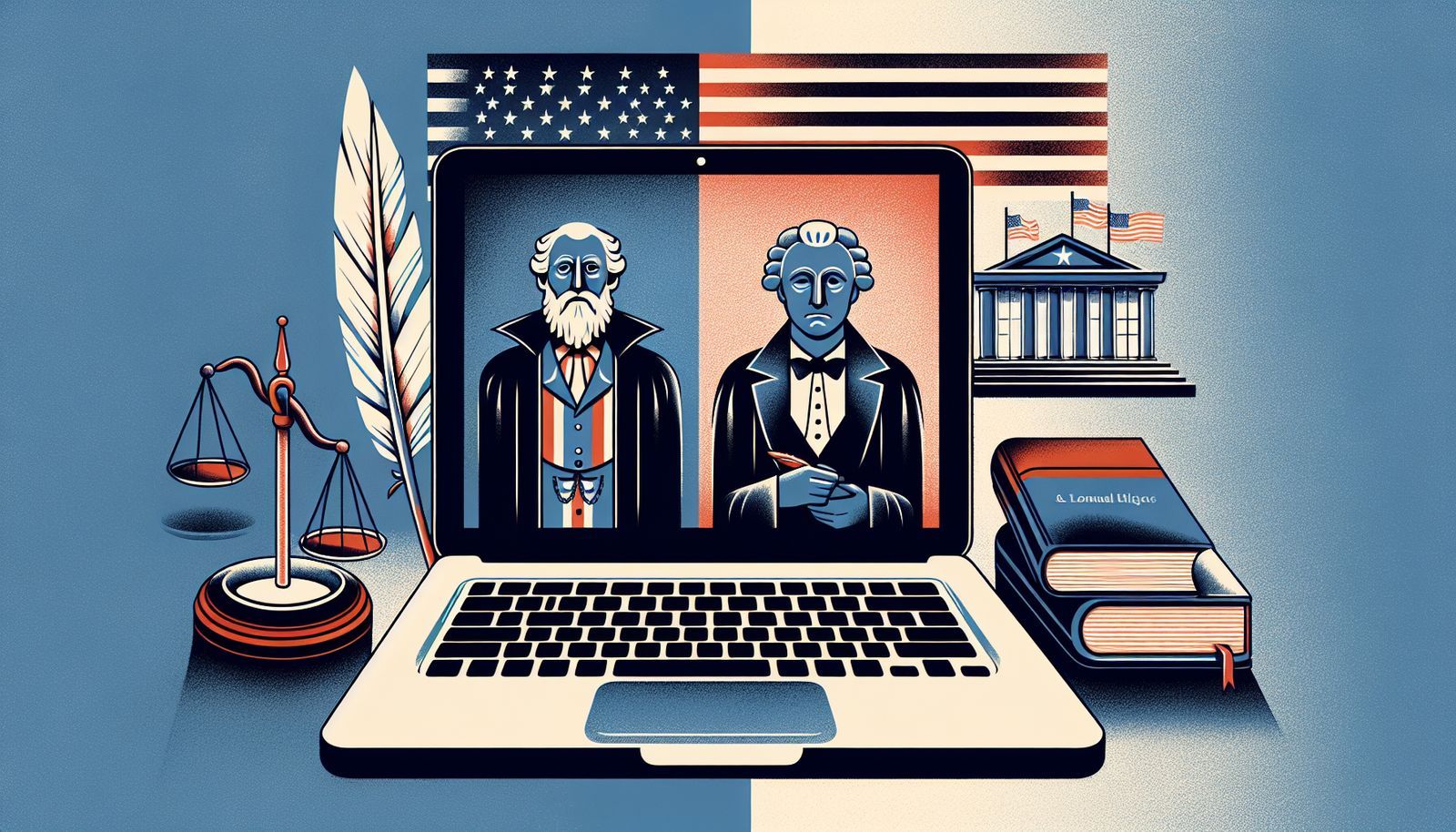
The debate over whether historical figures should be judged by modern standards has gained traction in recent years, spurred by movements advocating for social justice, racial equality, and a re-examination of history. As society evolves, the values and norms that define acceptable behavior also shift. This has led to a growing contention over how to interpret the actions and beliefs of figures from the past. While some argue that historical context must be taken into account, others contend that moral absolutes should apply universally, regardless of time or circumstance. This blog post aims to explore the various sides of this complex issue, presenting the arguments for and against judging historical figures by contemporary standards.
The Case for Contextual Judgment
Proponents of contextual judgment argue that historical figures must be understood within the framework of the time in which they lived. They contend that the values and beliefs that were commonplace in the past do not necessarily align with today's standards. For instance, many revered leaders were products of their time, shaped by the cultural, social, and political climates that surrounded them.
Supporters of this perspective often emphasize the importance of understanding the historical context when evaluating figures like Thomas Jefferson, who authored the Declaration of Independence while owning enslaved people. They argue that judging him solely by modern standards overlooks the complexities of his life and the societal norms of the 18th century. By examining the historical milieu, supporters assert that we can gain a more nuanced understanding of these figures and their contributions, even if some of their actions are now considered morally reprehensible.
Furthermore, contextual judgment advocates warn against projecting modern sensibilities onto the past, as it risks oversimplifying history. They argue that such an approach can lead to a sanitized version of history that ignores the complexities and contradictions that define the human experience. By recognizing the multifaceted nature of historical figures, we can foster a more informed dialogue about their legacies.
The Argument for Universal Morality
Conversely, many argue that historical figures should be judged by the same moral standards that apply today. This perspective posits that certain ethical principles—such as the condemnation of slavery, racism, and sexism—are universal and should transcend time and culture. Advocates of this view contend that failing to hold historical figures accountable for their actions perpetuates systems of oppression and undermines efforts for social justice.
Proponents of universal morality often point to the dangers of relativism, arguing that contextualizing harmful actions can serve to excuse or diminish their impact. For example, when figures like Christopher Columbus are celebrated despite their role in the colonization and oppression of Indigenous peoples, it can obscure the violence and suffering experienced by marginalized groups. By applying modern moral standards, supporters argue that we can acknowledge and address the injustices of the past, fostering a more equitable future.
Additionally, advocates for universal morality emphasize the importance of teaching history in a way that reflects ethical considerations. They argue that celebrating historical figures without addressing their flaws can contribute to a distorted understanding of history, which may influence future generations' beliefs and values. By critically examining the actions of historical figures, we can encourage a more ethical and informed citizenry.
The Implications of Rewriting History
The controversy surrounding the judgment of historical figures has significant implications for how history is taught and understood. The act of "rewriting history" often evokes strong emotional responses, as many fear that it may lead to a loss of cultural heritage or an oversimplified narrative. Critics of this approach argue that it can result in the erasure of important historical events and figures, leading to a sanitized version of history that fails to accurately represent the past.
On the other hand, supporters of re-evaluating historical narratives contend that it is essential for acknowledging the contributions and struggles of marginalized groups. They argue that a more inclusive approach to history allows for a fuller understanding of the past, which can help address systemic inequalities in the present. By incorporating diverse perspectives, advocates assert that we can create a richer, more accurate portrayal of history that reflects the experiences of all people.
Moreover, the implications of this debate extend beyond academia and into public discourse, impacting monuments, place names, and cultural representations. The removal of statues honoring controversial figures has sparked heated debates in communities across the globe. Supporters argue that these actions are necessary for confronting historical injustices, while opponents often view them as an affront to tradition and cultural heritage.
Balancing Historical Legacy and Modern Values
Finding a balance between acknowledging historical legacy and applying modern values is a challenging endeavor. Some suggest that rather than erasing or glorifying historical figures, society should strive for a more comprehensive understanding of their contributions and shortcomings. This approach advocates for a middle ground where we can honor achievements while also critiquing problematic aspects of a figure's legacy.
For example, many institutions are exploring ways to contextualize monuments and memorials, providing educational information that highlights both achievements and moral failings. This strategy aims to foster open dialogue about the complexities of history, allowing individuals to engage with the past in a more informed manner.
Furthermore, this balanced approach encourages critical thinking and reflection, empowering individuals to navigate the complexities of history. By examining the moral dilemmas faced by historical figures, we can foster a deeper understanding of the ethical challenges that persist today.
The question of whether historical figures should be judged by modern standards is a multifaceted debate that reflects broader societal discussions about morality, history, and justice. While some advocate for a contextual understanding of the past, others emphasize the importance of universal moral principles. As society continues to grapple with these issues, the challenge lies in finding a way to honor historical legacies while fostering an inclusive and honest understanding of the past. Engaging in this dialogue is crucial for shaping a more equitable future, as we strive to learn from history rather than simply rewrite it.