
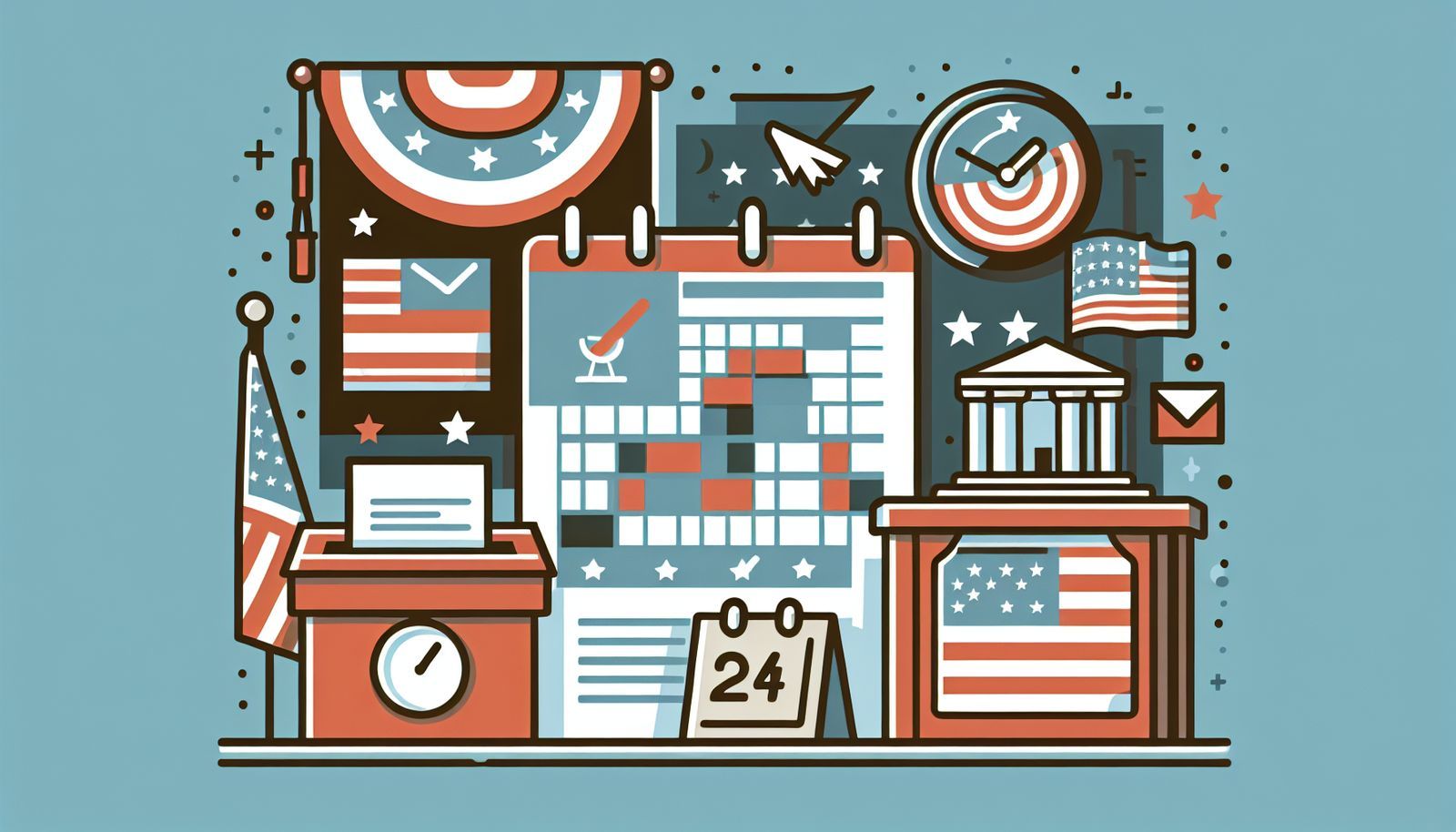
The debate surrounding the establishment of a national public holiday for voting in the United States has gained momentum in recent years. Advocates argue that making Election Day a federal holiday would increase voter participation, while opponents contend it may merely create another day off work without significantly impacting turnout. This blog post explores the various perspectives on this issue, examining the potential benefits, drawbacks, and implications of a national voting holiday.
The Case for a National Voting Holiday
Proponents of a national public holiday for voting argue that it would eliminate barriers to participation. Many working Americans face challenges in finding time to vote, especially those with inflexible jobs, multiple jobs, or family responsibilities. By designating Election Day as a federal holiday, supporters believe that more people would have the opportunity to cast their ballots without the stress of balancing work commitments.
Another argument in favor of a voting holiday is that it would signal the importance of civic engagement. A dedicated day for voting could serve as a reminder of the democratic process and encourage citizens to participate. Advocates often point to other countries, such as Australia, where mandatory voting and designated holidays have led to higher turnout rates.
Moreover, a national voting holiday could foster a sense of community and encourage discussions around civic duties. With schools closed and many businesses shut down, communities could organize events to promote awareness about local candidates and issues, thereby increasing informed voter participation.
Concerns About Increased Participation
While the intention behind a voting holiday is to boost participation, some critics argue that it may not lead to the desired outcome. Studies have shown that factors influencing voter turnout are complex and multifaceted, often extending beyond mere access to polling places. Critics contend that simply having a day off may not change the minds of those who are apathetic or disengaged from the political process.
Additionally, there are concerns about the potential for a holiday to become a day of leisure rather than civic engagement. Without proper initiatives and education to accompany the holiday, there is a risk that people may treat Election Day as just another day off work, resulting in little to no increase in voter turnout.
Economic Implications
Another layer of the debate revolves around the economic implications of designating a national holiday for voting. Opponents argue that closing businesses and schools could lead to a loss of productivity, which may have detrimental effects on the economy. Small businesses, in particular, could suffer as they may be unable to afford the costs associated with a day off for employees.
On the other hand, supporters argue that the temporary closure of businesses could be offset by the long-term benefits of increased civic engagement and participation in democracy. They contend that a more engaged electorate could lead to governance that better reflects the will of the people, ultimately benefiting society as a whole.
Accessibility and Inclusivity
A national voting holiday could also serve as a means of increasing accessibility to the electoral process for marginalized communities. Many groups, including low-income individuals, minorities, and those living in rural areas, often face additional barriers to voting. Advocates assert that by making Election Day a holiday, these communities would have a better chance to participate.
However, critics argue that accessibility issues extend beyond just the timing of the election. They point out that other factors, such as voter ID laws, gerrymandering, and limited access to polling places, play significant roles in disenfranchising voters. Therefore, simply declaring a holiday might not address the root causes of low turnout in these communities.
Alternative Solutions
In the search for ways to increase voter participation, some argue that a national holiday for voting is not the only, nor the best, solution. Alternatives such as extending early voting periods, implementing mail-in voting, and improving voter registration processes are often proposed. Supporters of these alternatives suggest that they could be more effective in reaching those who currently face barriers to voting.
Additionally, the use of technology to facilitate voting, such as online registration and voting, is also gaining traction. Advocates of these methods argue that they could significantly enhance accessibility and convenience, potentially leading to higher participation rates without the need for a public holiday.
The Role of Education
Education plays a critical role in voter participation, and some believe that a national voting holiday could be paired with educational initiatives to maximize its impact. By using the day off to engage citizens in discussions about civic responsibilities, candidates, and local issues, proponents argue that it could transform Election Day into a meaningful experience rather than just a day off.
Conversely, opponents suggest that education should not be contingent upon a holiday. They argue that civic education should be integrated into school curricula year-round, rather than relying on a single day to boost awareness and participation. This perspective emphasizes the importance of sustained engagement and learning rather than sporadic efforts tied to the electoral calendar.
The proposal to establish a national public holiday for voting is a complex issue with numerous arguments both for and against it. While advocates believe that such a holiday could significantly enhance voter participation and civic engagement, critics point to potential shortcomings, including economic implications and the risk of apathy.
Ultimately, the effectiveness of a national voting holiday may depend on how it is implemented, along with accompanying measures aimed at addressing systemic barriers to participation. As the conversation continues, it is essential to consider a comprehensive approach that prioritizes accessibility, education, and engagement to ensure that all citizens have the opportunity to make their voices heard in the democratic process.