
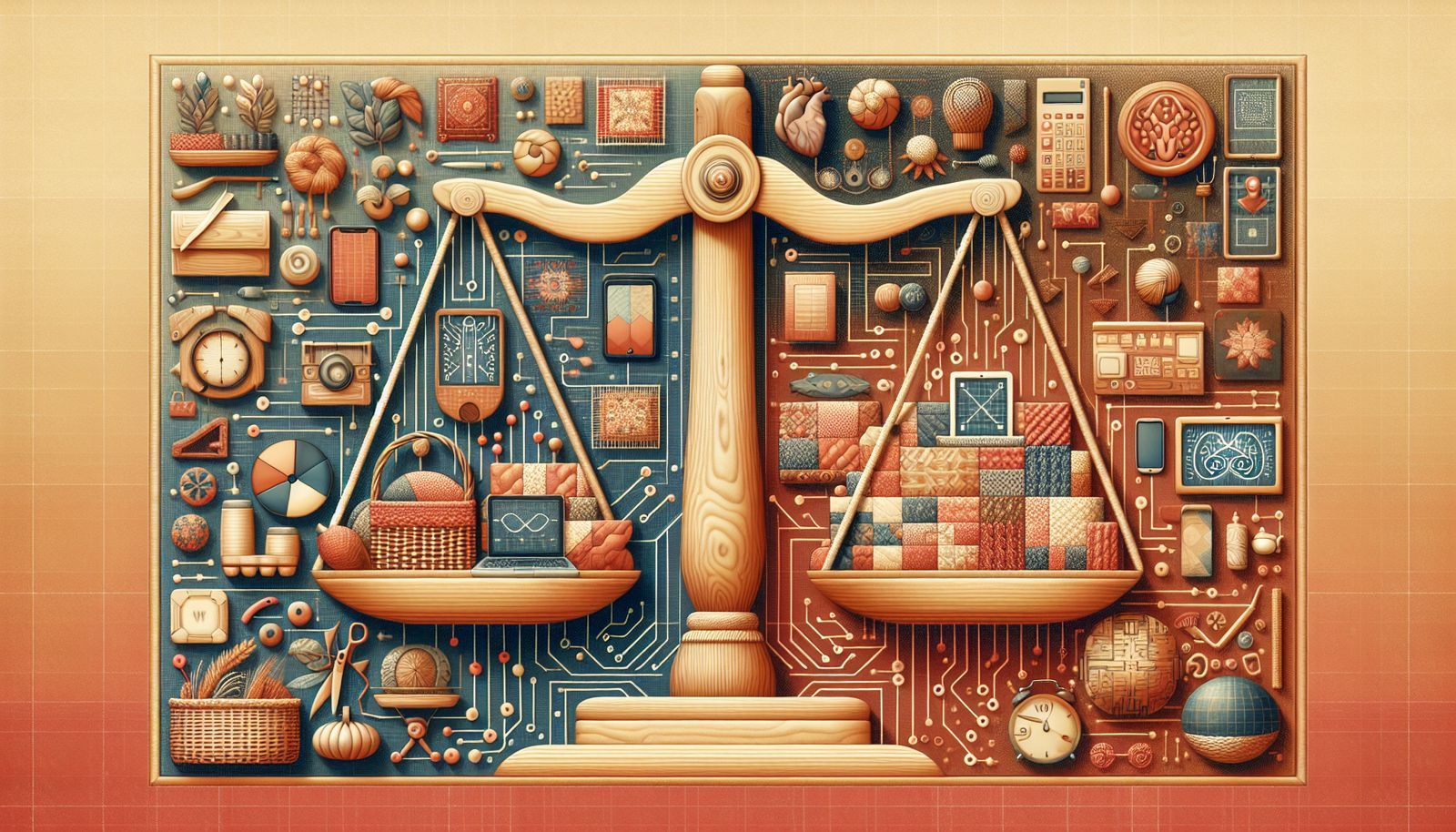
In recent years, the rapid advancement of technology has sparked an ongoing debate about the future of traditional crafts. As we embrace digitalization, automation, and mass production, many are concerned that the age-old skills and artistry associated with traditional crafts may be fading into obscurity. On the other hand, some argue that technology can enhance and revitalize these crafts, making them more accessible and relevant. This blog post explores the various perspectives surrounding this topic, examining both the potential decline of traditional crafts and the opportunities that technology presents.
The Argument for Decline
Many enthusiasts and practitioners of traditional crafts argue that these skills are indeed at risk of extinction. This perspective is fueled by several factors:
Mass Production: With the rise of manufacturing technologies, products can be created at a scale and speed that traditional artisans cannot compete with. This has led to a consumer culture that prioritizes affordability and uniformity over uniqueness and craftsmanship. As a result, many traditional crafts struggle to find a market.
Changing Consumer Preferences: Modern consumers are increasingly drawn to convenience and efficiency. The appeal of handcrafted items is often overshadowed by the allure of ready-made products that can be purchased online or in stores. This shift in consumer behavior has made it difficult for traditional artisans to sustain their businesses.
Aging Artisans: Many traditional crafts are passed down through generations, but as older artisans retire, there are fewer young people willing to learn these skills. This generational gap raises concerns that traditional knowledge may not be preserved, leading to the decline of these practices.
Economic Viability: Traditional crafts often require significant time and skill to produce, making them more expensive than mass-produced alternatives. The financial pressures faced by artisans can lead to difficult choices, with many opting for more stable employment in other fields.
The Argument for Revival
Conversely, there is a strong argument that traditional crafts are not dying but rather evolving. Proponents of this view highlight several positive trends:
Niche Markets: While mass production dominates the market, there is a growing demand for unique, handmade items, particularly among consumers who value sustainability and ethical practices. This shift has created niche markets where traditional crafts can thrive, allowing artisans to command higher prices for their work.
Technology as a Tool: Rather than viewing technology as a threat, many artisans are embracing it as a means to enhance their craft. For example, social media platforms allow artisans to showcase their work to a global audience, helping them reach potential customers who appreciate traditional craftsmanship. Additionally, online marketplaces enable artisans to sell their products without the need for physical storefronts.
Educational Initiatives: There are numerous programs and workshops aimed at teaching traditional crafts to younger generations. Community classes, online tutorials, and maker spaces are emerging, providing opportunities for individuals to engage with traditional techniques and learn from experienced artisans.
Cultural Heritage and Identity: Traditional crafts hold significant cultural value, often serving as a connection to heritage and identity. Many communities are actively working to preserve these crafts as a means of maintaining their cultural narratives. This revivalist spirit can be seen in various initiatives that promote local craftsmanship and encourage pride in traditional skills.
The Role of Technology
Technology's role in the future of traditional crafts is a complex issue, with both positive and negative implications. On one hand, technology can facilitate the preservation and dissemination of traditional techniques. For instance, digital archives can document crafts that might otherwise be forgotten, providing resources for future generations. Furthermore, augmented reality and virtual workshops can offer new ways for artisans to teach and share their skills.
On the other hand, the risk remains that technology may lead to further homogenization of craft. As more artisans adopt digital tools, there is a concern that the essence of traditional craftsmanship may be diluted. The challenge lies in striking a balance between utilizing technology to enhance traditional crafts while maintaining the authenticity and individuality that define them.
The Importance of Community
Community plays a vital role in the future of traditional crafts. Many artisans find strength and support in local networks, where they can share resources, collaborate, and market their products. These communities often foster a sense of belonging and provide a platform for artisans to voice their concerns and advocate for the preservation of their crafts.
Additionally, community initiatives can promote awareness and appreciation of traditional crafts, encouraging younger generations to engage with these practices. Events such as craft fairs, exhibitions, and workshops help to bridge the gap between artisans and consumers, fostering a culture of appreciation for handmade goods.
The Path Forward
As the debate continues, it is clear that both sides have valid points. The future of traditional crafts may not be a binary choice between decline and revival but rather a continuum where both realities coexist. Artisans, consumers, and communities must work together to navigate this landscape, finding new ways to appreciate and support traditional crafts while embracing the benefits that technology offers.
The path forward may involve a reimagining of what traditional crafts mean in the modern world. By integrating technology thoughtfully, promoting community engagement, and fostering a culture of appreciation for craftsmanship, traditional skills can not only survive but thrive in the age of technology.
The future of traditional crafts is a nuanced issue, characterized by both challenges and opportunities. While there are legitimate concerns about the decline of these practices, there are equally compelling arguments for their revival and adaptation. As we move forward, it is essential to recognize the value of traditional craftsmanship while embracing the innovations that technology brings. Ultimately, the fate of traditional crafts may depend on our collective efforts to preserve, celebrate, and evolve these time-honored skills in a rapidly changing world.