
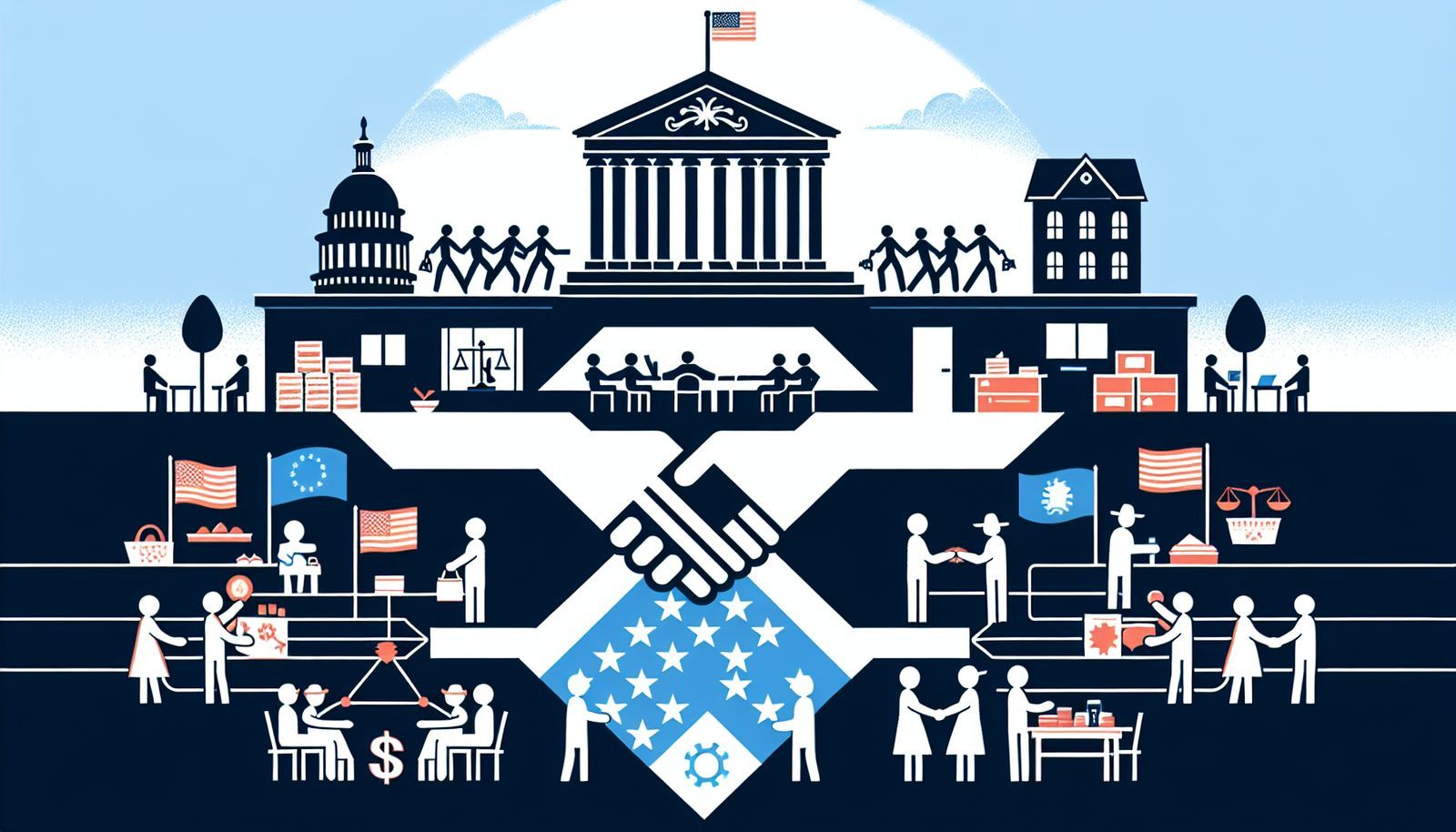
Understanding the Sharing Economy
The sharing economy, characterized by peer-to-peer exchanges and the utilization of underused resources, has gained substantial traction over the past decade. Platforms like Airbnb, Uber, and TaskRabbit have transformed traditional business models, enabling individuals to monetize their assets—be it a spare room, a car, or personal skills. Proponents argue that this model fosters community engagement and economic opportunity, while critics contend it exacerbates inequality and undermines established industries. This blog post delves into the various perspectives on the sharing economy, examining its potential to create new forms of community versus the risk of deepening socio-economic divides.
The Case for Community Building
Advocates of the sharing economy often highlight its ability to forge connections among individuals. By facilitating direct exchanges between peers, these platforms can create a sense of community that transcends geographical and social barriers. For instance, Airbnb hosts and guests frequently report forming meaningful relationships, with many hosts providing local insights and fostering an atmosphere of hospitality.
Moreover, the sharing economy encourages collaboration and resource efficiency. By allowing individuals to share their underutilized assets, these platforms can reduce waste and promote sustainable practices. Supporters argue that this promotes a sense of collective ownership and responsibility, ultimately contributing to stronger, more resilient communities.
Economic Opportunities and Empowerment
One of the most compelling arguments in favor of the sharing economy is its potential to create economic opportunities, particularly for marginalized groups. For individuals facing barriers to traditional employment—such as single parents, students, or low-income workers—platforms like Uber and TaskRabbit can provide flexible income options. This can be especially valuable in areas with high unemployment rates, where gig work can serve as a vital economic lifeline.
Additionally, the sharing economy can empower individuals to become entrepreneurs. Many people have turned hobbies or skills into viable businesses through platforms that cater to niche markets. This democratization of entrepreneurship can foster innovation and creativity, allowing individuals to take control of their financial futures.
The Dark Side: Inequality and Exploitation
Despite the potential benefits, critics of the sharing economy raise significant concerns about its impact on inequality. They argue that the model primarily benefits a small percentage of individuals—namely those who own property or have the means to invest in assets. For instance, while Airbnb allows homeowners to profit from short-term rentals, it can lead to increased housing costs and displacement for local residents. Critics contend that this exacerbates existing inequalities in housing markets, particularly in urban areas where affordable housing is already scarce.
Additionally, the gig economy can often lead to precarious work conditions. Many gig workers lack access to basic benefits such as health insurance, paid leave, and retirement savings. This precariousness can lead to financial instability, particularly for those who rely on gig work as their primary source of income. Critics argue that this model exploits workers by prioritizing profits over their well-being.
Regulation and the Need for Balance
As the sharing economy continues to grow, discussions around regulation have become increasingly urgent. Proponents of regulation argue that without oversight, the sharing economy can lead to negative externalities, such as increased congestion, environmental degradation, and a decline in traditional businesses. For example, ride-sharing services have been criticized for contributing to traffic congestion in many cities.
Regulators face the challenge of balancing innovation with the need to protect consumers and workers. Advocates for thoughtful regulation argue that implementing fair labor practices, ensuring safety standards, and addressing housing affordability can help mitigate the negative impacts of the sharing economy while preserving its benefits.
The Role of Community and Local Culture
Another dimension to the debate is the impact of the sharing economy on local culture and community dynamics. Some argue that platforms like Airbnb can disrupt the cultural fabric of neighborhoods, transforming residential areas into transient tourist zones. This can lead to a loss of local identity and community cohesion, as long-term residents are replaced by short-term visitors.
Conversely, some proponents contend that the sharing economy can enhance local culture by promoting cultural exchange and interaction. Travelers staying in local neighborhoods often engage with residents, leading to cross-cultural understanding and the revitalization of local businesses. This perspective emphasizes the potential for the sharing economy to enrich communities rather than diminish them.
The Future of the Sharing Economy
Looking ahead, the future of the sharing economy is likely to be shaped by ongoing debates about its social and economic impacts. As more individuals and businesses engage with these platforms, questions about equity, sustainability, and community will continue to arise.
The evolution of the sharing economy will depend on how society navigates these challenges. If the focus shifts toward creating inclusive platforms that prioritize worker rights and community well-being, the sharing economy could serve as a powerful force for positive change. However, if left unchecked, it may exacerbate existing inequalities and undermine the very communities it seeks to engage.
The sharing economy presents a complex landscape, with passionate advocates and critics on both sides. While it has the potential to foster community, economic opportunity, and sustainability, it also raises critical concerns about inequality, exploitation, and cultural disruption. As society grapples with these issues, the discourse surrounding the sharing economy will play a vital role in shaping its future and determining whether it ultimately leads to a new form of community or simply deepens existing divides.