
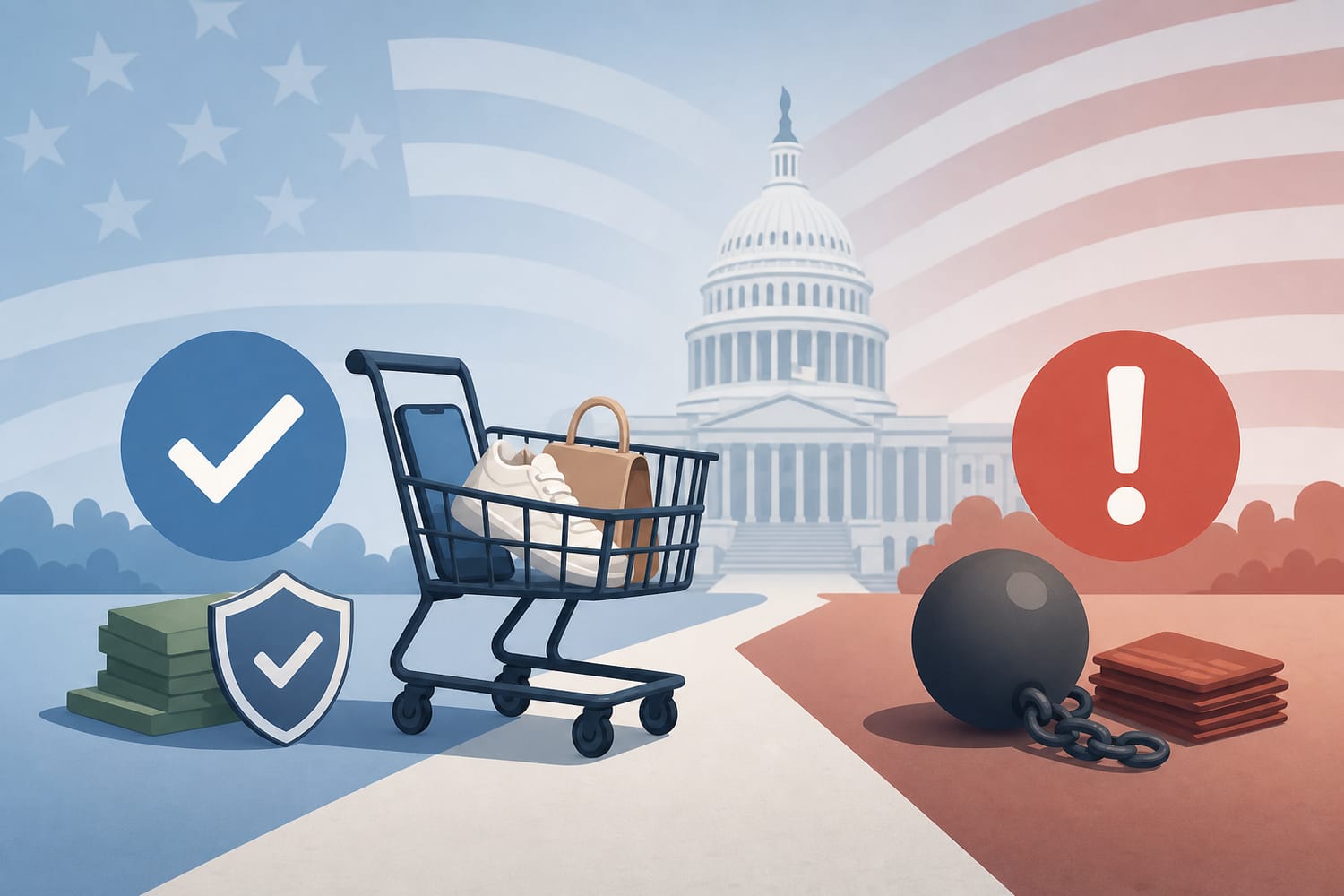
Buy Now, Pay Later, often abbreviated as BNPL, has become one of the most visible changes in consumer finance. At online checkouts, in retail stores, and even for services like travel, healthcare, and education, shoppers are increasingly offered the option to split purchases into smaller payments over time. For some consumers, BNPL is a convenient budgeting tool that offers short-term flexibility without the complexity of traditional credit cards. For others, it is a fast-growing debt product that encourages overspending and may expose financially vulnerable people to hidden risks.
The debate is not simply about whether BNPL is “good” or “bad.” It involves questions about financial access, consumer behavior, regulation, transparency, and responsibility. Supporters argue that BNPL can be a lower-cost alternative to credit cards and can help people manage cash flow. Critics respond that it can normalize debt, make spending feel painless, and operate in a regulatory gray area. Understanding both sides is important as BNPL becomes a more common part of everyday purchasing.
The Case for Financial Flexibility
Supporters of BNPL often describe it as a practical tool for managing expenses. Many BNPL plans allow consumers to divide a purchase into four equal payments, often with no interest if payments are made on time. For a household facing a large but necessary purchase, such as a refrigerator, school supplies, or work equipment, spreading out the cost can make the expense easier to handle.
From this perspective, BNPL is not necessarily about buying luxury items impulsively. It can be a way to align payments with income, especially for people who are paid weekly or biweekly. Instead of paying a large amount upfront, consumers can keep more cash available for rent, groceries, utilities, or emergencies.
Some advocates also argue that BNPL is more transparent than certain traditional credit products. A customer may know exactly how many payments will be made and when the balance will be cleared. Compared with revolving credit card debt, where minimum payments can extend repayment for years, a fixed installment plan may feel simpler and more predictable.
An Alternative to Credit Cards
Another argument in favor of BNPL is that it may provide an alternative to credit cards, particularly for younger consumers or people who prefer not to use traditional credit. Credit cards can come with high interest rates, annual fees, penalty rates, and complex terms. If a BNPL service charges no interest and has clear repayment dates, some consumers may see it as a safer option.
There is also an access argument. Not everyone qualifies for a credit card with favorable terms. Some consumers have limited credit histories, past financial problems, or low credit scores. BNPL providers often use different approval models, which may allow more people to access short-term financing.
For merchants, BNPL can also be attractive. Retailers may see higher conversion rates, larger average order values, and fewer abandoned carts. In other words, BNPL can help businesses sell more products by reducing the immediate payment barrier for consumers. Supporters say this benefits both buyers and sellers when used responsibly.
Concerns About Overspending
Critics of BNPL focus heavily on the possibility that it encourages consumers to spend more than they otherwise would. When a $200 purchase is presented as four payments of $50, the lower upfront cost may make the purchase feel more affordable, even if the total price has not changed. This can make it easier to justify nonessential spending.
The concern is not only about one purchase. A consumer may have several BNPL plans active at the same time across different providers. Individually, each payment might seem manageable. Together, they can become difficult to track and may strain a person’s budget. Unlike a single credit card statement, multiple BNPL accounts may create a fragmented picture of debt.
Critics argue that this structure can be especially risky for consumers who already live paycheck to paycheck. Small scheduled payments may compete with essential bills, and missed payments can lead to late fees, overdraft charges from banks, or other financial stress. In this view, BNPL can turn short-term flexibility into longer-term instability.
The Question of Hidden Costs
Many BNPL services advertise interest-free payments, but critics argue that “interest-free” does not always mean “cost-free.” Some providers charge late fees if payments are missed. Others may encourage users to choose longer repayment plans that do include interest. In some cases, missed payments can also affect access to future credit or be reported to credit bureaus, depending on the provider and jurisdiction.
There are also indirect costs. If a BNPL payment is automatically withdrawn from a checking account that lacks sufficient funds, the consumer may face overdraft fees from their bank. A person might also rely on another form of credit to cover a BNPL payment, creating a cycle of borrowing.
Supporters respond that these risks are not unique to BNPL. Credit cards, payday loans, overdraft programs, and personal loans can all carry fees and penalties. They argue that the key issue is transparency: if consumers clearly understand the payment schedule, fees, and consequences of missed payments, BNPL can be used responsibly.
Impact on Credit and Financial Health
One complicated part of the BNPL debate is how these products interact with credit scores and broader financial health. Some BNPL plans do not require a hard credit check, which can make them appealing to consumers who want to avoid affecting their credit score. However, this also means lenders may not always have a full view of a consumer’s existing BNPL obligations when assessing affordability.
There is disagreement over whether BNPL activity should be reported to credit bureaus. Some argue that reporting on-time payments could help consumers build credit histories, particularly those who are underserved by traditional credit systems. Others worry that frequent short-term loans could harm credit profiles or confuse credit scoring models not designed for BNPL behavior.
Financial health is broader than credit scores. A consumer might make all BNPL payments on time but still develop habits of purchasing beyond their means. Conversely, another consumer might use BNPL carefully to manage predictable expenses without paying interest. The same tool can have different effects depending on income, discipline, financial literacy, and personal circumstances.
The Role of Regulation
Regulators in many countries are paying closer attention to BNPL. The main concern is whether BNPL providers should be subject to the same rules as credit card companies, banks, or other lenders. Consumer advocates often argue that BNPL is a form of credit and should be regulated as such, with requirements around affordability checks, disclosure, dispute resolution, and data protection.
Supporters of stronger regulation say consumers need clearer information before agreeing to repayment plans. They also argue that providers should assess whether customers can realistically afford the debt they are taking on. Without such rules, the market may grow faster than consumer protections.
On the other hand, some industry representatives warn that overly strict regulation could reduce innovation and limit access to useful financial tools. They argue that BNPL is typically smaller in scale and shorter in duration than traditional loans, and therefore should not automatically be treated the same way. The challenge for policymakers is to protect consumers without eliminating the features that make BNPL appealing.
Merchant and Market Perspectives
Merchants often view BNPL as a sales and marketing tool as much as a financial product. By offering installment payments, retailers can make products appear more accessible and encourage customers to complete purchases. This can be especially important in competitive sectors like fashion, electronics, furniture, and travel.
However, merchants usually pay fees to BNPL providers. These fees may be higher than standard card processing costs. Businesses accept them because they expect increased sales to offset the expense. Some critics argue that these merchant fees could indirectly raise prices for all customers, including those who pay upfront.
There is also a broader market question: does BNPL create real economic value, or does it mainly shift spending forward? Supporters say it improves purchasing power and helps match consumption with cash flow. Skeptics say it may simply encourage consumers to buy sooner, more often, or at higher amounts than their budgets support.
Consumer Responsibility and Financial Literacy
A common middle-ground view is that BNPL is neither inherently harmful nor inherently beneficial. Like credit cards, personal loans, or overdraft facilities, its impact depends on how it is used. Consumers who track payments, understand fees, and avoid unnecessary purchases may benefit from BNPL. Those who treat installment payments as “free money” may face problems.
Financial literacy plays an important role. Consumers need to understand that smaller payments do not reduce the total cost of an item. They also need to consider all active payment plans together, not just one purchase at a time. Budgeting tools, reminders, and clear disclosures may help reduce the risk of missed payments.
At the same time, critics caution against placing all responsibility on consumers. They argue that product design matters. If BNPL platforms use persuasive checkout prompts, instant approvals, and minimal friction, they may encourage impulsive behavior. From this view, companies also have a responsibility to design products that do not exploit consumer psychology.
A Debate Still Evolving
The debate over Buy Now, Pay Later reflects a larger tension in modern finance: people want convenience and flexibility, but those same features can make debt easier to accumulate. BNPL can help consumers manage cash flow, avoid credit card interest, and access purchases that might otherwise be difficult to afford upfront. It can also encourage overspending, create fragmented debt, and expose users to fees or financial stress if payments are missed.
The most balanced view may be that BNPL is a tool whose value depends on context. For some consumers, it is a useful and low-cost payment method. For others, it may become another pathway into debt. The future of BNPL will likely depend on clearer regulation, better consumer education, responsible product design, and honest communication about both benefits and risks. As the market continues to grow, the central question remains not just whether people can buy now and pay later, but whether they can do so without undermining their financial stability.