
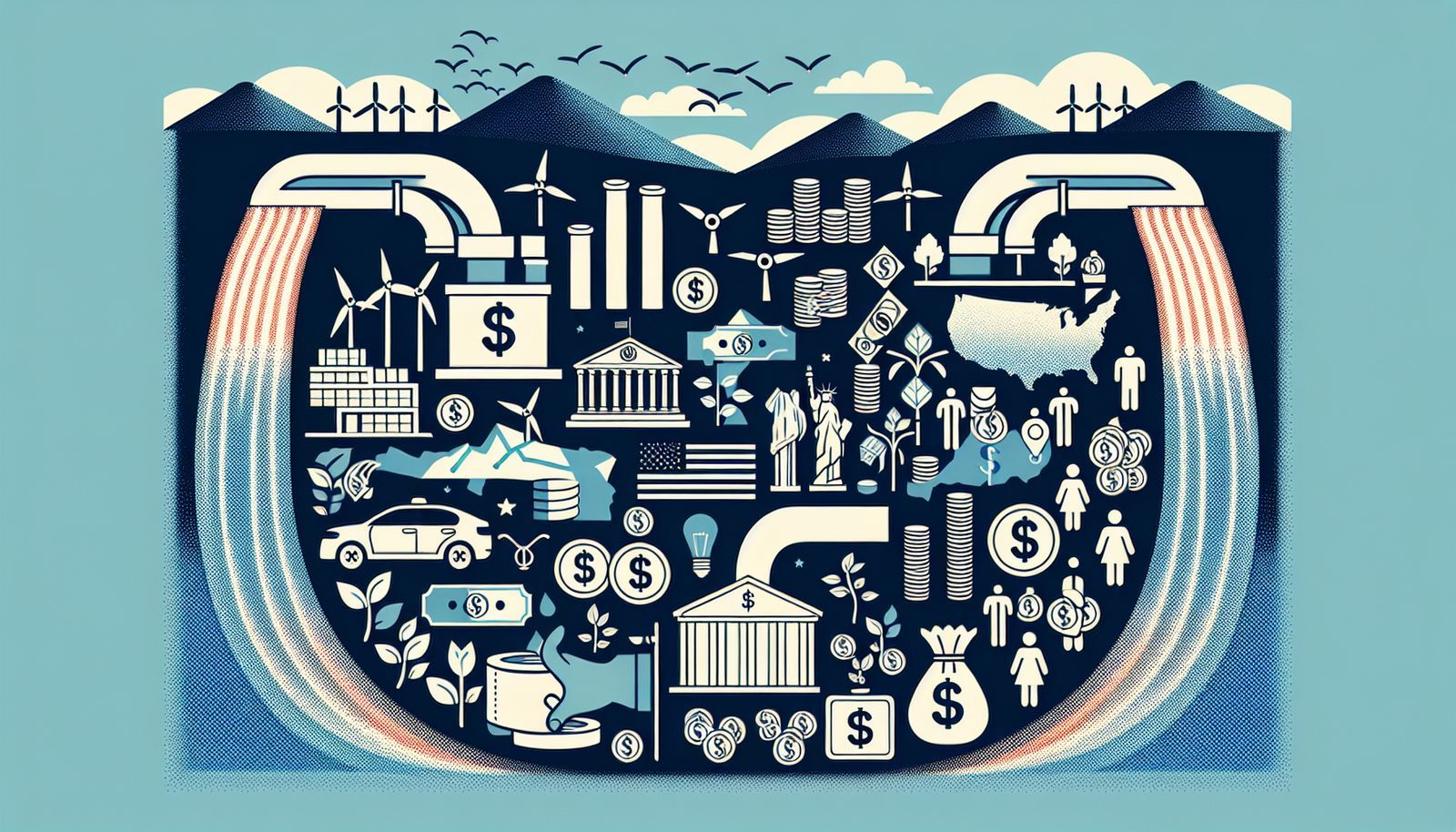
The concept of a Universal Basic Dividend (UBD) has gained traction in recent years as a potential solution to wealth inequality and economic instability. Proponents argue that a UBD could provide citizens with a share of the wealth generated from public assets, helping to alleviate poverty and ensure a basic standard of living. Opponents, however, raise concerns about the economic implications, feasibility, and potential unintended consequences of such a policy. This blog post explores the different sides of the debate surrounding the adoption of a Universal Basic Dividend in the United States.
Understanding Universal Basic Dividend
A Universal Basic Dividend is a form of income distribution where citizens receive regular payments derived from the profits of publicly owned resources, such as natural resources, state-owned enterprises, and other public assets. This concept is often discussed in conjunction with Universal Basic Income (UBI), but while UBI typically refers to unconditional cash payments to individuals, a UBD specifically ties payments to the collective wealth generated by public assets.
Advocates of UBD argue that it is a more sustainable model than UBI because it is directly linked to economic productivity and the wealth generated from shared resources. This linkage can potentially create a more robust funding mechanism for the payments. Critics, on the other hand, question the practicality of implementing such a system and its long-term effects on the economy.
Arguments in Favor of Universal Basic Dividend
Reducing Wealth Inequality
One of the most compelling arguments in favor of a Universal Basic Dividend is its potential to reduce wealth inequality. In the U.S., wealth distribution has become increasingly unequal over the past few decades, with a significant proportion of wealth concentrated in the hands of a small number of individuals and corporations. By distributing dividends from public assets, proponents argue, the government could help to redistribute this wealth more equitably across society.
Economic Stability and Security
Supporters also claim that a UBD could provide greater economic stability and security for individuals and families. In times of economic downturn, such as during recessions or pandemics, a universal dividend could act as a safety net, helping to sustain consumer spending and stimulate the economy. With a guaranteed income from public assets, citizens would have more financial security, potentially reducing reliance on welfare programs and decreasing poverty rates.
Encouraging Civic Engagement
Advocates suggest that receiving a dividend from public assets could foster a sense of ownership and responsibility among citizens. When individuals receive a share of the wealth generated by their community's resources, they may be more inclined to participate in civic activities, advocate for responsible resource management, and engage in discussions about public policy. This increased engagement could lead to a more informed and active citizenry.
Arguments Against Universal Basic Dividend
Economic Feasibility
One of the primary concerns regarding the implementation of a Universal Basic Dividend is its economic feasibility. Critics argue that the financial burden of providing regular payments to all citizens could strain public budgets, particularly if the revenue from public assets does not sufficiently cover the costs. They contend that the potential costs of such a program could outweigh the benefits, leading to budget deficits or increased taxes that could negatively impact economic growth.
Potential Disincentives to Work
Opponents of a UBD also raise concerns about the potential disincentives it may create for individuals to work. Some argue that providing a guaranteed income could reduce the motivation for individuals to seek employment or improve their skills, potentially leading to lower productivity and economic stagnation. This argument is particularly prevalent among those who believe that work should be tied to income and that any form of guaranteed payment could undermine the work ethic.
Administrative Challenges
Implementing a Universal Basic Dividend could also pose significant administrative challenges. Critics argue that determining the appropriate mechanisms for distributing dividends, managing public assets, and ensuring equitable access would require extensive bureaucratic oversight. Concerns about inefficiency, potential corruption, and difficulty in accurately assessing the value of public assets further complicate the proposal.
Perspectives from Different Stakeholders
Economists
Economists are divided on the issue of a Universal Basic Dividend. Some argue that it could serve as a valuable tool to address inequality and promote economic stability, while others caution against the risks associated with funding such a program. While some economists advocate for innovative funding models that could make a UBD feasible, others stress the importance of addressing broader structural issues in the economy.
Politicians
Politicians' views on UBD vary widely, often reflecting their ideological beliefs and constituencies. Progressive politicians tend to support the idea, framing it as a means to promote social equity and reduce poverty. Conversely, conservative politicians often oppose it, citing concerns about government overreach and the potential negative impact on the labor market. This divide has made it challenging for any substantial policy proposals to gain traction.
General Public
Public opinion on Universal Basic Dividend is mixed. While many individuals are drawn to the idea of receiving a share of public wealth, concerns about the implications for taxation and work incentives often dampen enthusiasm. Polls indicate that support for UBD can fluctuate based on economic conditions, with greater support during times of economic uncertainty.
The debate over whether the U.S. should adopt a Universal Basic Dividend is complex, encompassing a range of economic, social, and political factors. Proponents argue that a UBD could help reduce wealth inequality, provide economic stability, and encourage civic engagement. In contrast, critics raise concerns about economic feasibility, potential disincentives to work, and administrative challenges.
As discussions around wealth distribution and economic justice continue to evolve, the concept of a Universal Basic Dividend remains a significant topic of debate. Whether it can be effectively implemented in the U.S. remains to be seen, but the conversation surrounding it highlights the ongoing struggle to find solutions to pressing economic issues in an increasingly unequal society.