
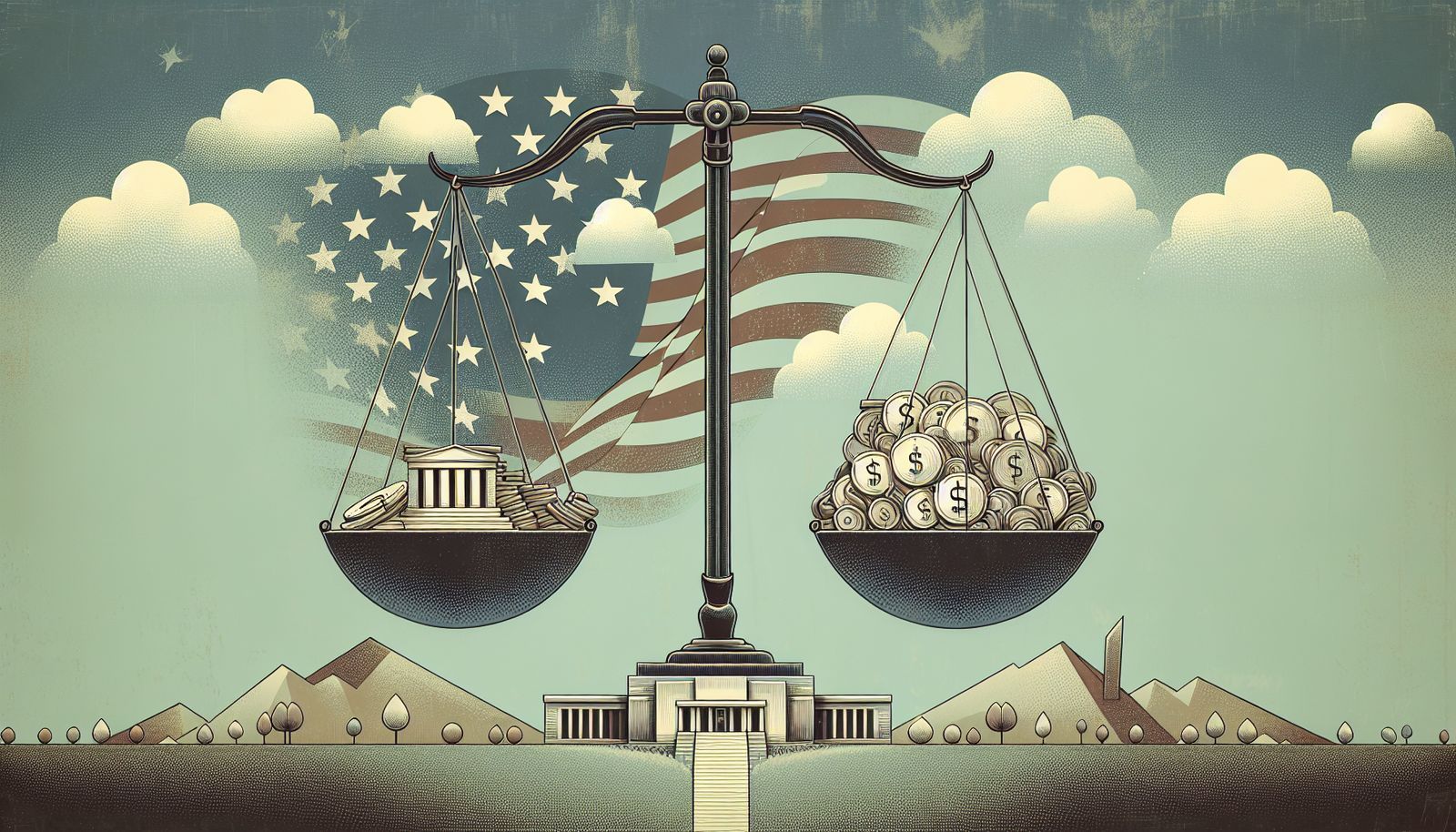
Overview of Social Security
Social Security is a pivotal program in the United States, designed to provide financial support to retirees, disabled individuals, and survivors of deceased workers. Established in 1935, it has evolved over the decades, becoming a safety net for millions of Americans. However, as the population ages and birth rates decline, concerns about the long-term sustainability of the program have intensified. This has led to a robust debate surrounding potential reforms, including whether to preserve the existing system or shift towards privatization.
Arguments for Preserving Social Security
Advocates for preserving Social Security argue that the program is an essential component of American life. They contend that Social Security provides a reliable source of income for retirees, many of whom rely heavily on these benefits for their day-to-day expenses. Here are some key points made by proponents of preserving the system:
Safety Net for Vulnerable Populations: Social Security acts as a safety net for vulnerable populations, including low-income seniors and individuals with disabilities. The poverty rate among seniors would be significantly higher without Social Security, making it a crucial program for ensuring basic financial security.
Predictable Income: Social Security offers predictable, inflation-adjusted benefits, which help recipients manage their budgets effectively. Unlike privatized systems that may be subject to market volatility, Social Security provides a stable source of income.
Universal Coverage: The program covers nearly all workers in the United States, ensuring that everyone contributes and has access to benefits. This universality fosters a sense of shared responsibility and solidarity among citizens.
Economic Stability: Social Security benefits contribute to overall economic stability. By providing income to retirees, the program stimulates consumer spending, which is vital for economic growth.
Concerns About Social Security’s Sustainability
While many support preserving Social Security, concerns over its long-term sustainability loom large. Critics point out that the program is facing financial challenges that could threaten its viability in the coming decades. Here are some of the main concerns:
Aging Population: According to projections, the ratio of workers to retirees is declining as the population ages. Fewer workers are entering the workforce to support an increasing number of beneficiaries, putting financial pressure on the program.
Trust Fund Depletion: Social Security is funded through payroll taxes, and it has accumulated a trust fund intended to cover shortfalls. However, this trust fund is projected to be depleted by the mid-2030s, which could lead to reduced benefits unless reforms are enacted.
Political Challenges: Efforts to reform Social Security often face significant political hurdles. Any changes to the program can be contentious, with strong opposition from various interest groups, making it difficult to enact necessary reforms.
Intergenerational Equity: Some critics argue that the current system disproportionately benefits older generations at the expense of younger workers. This raises questions about fairness and sustainability for future generations who may face higher taxes or reduced benefits.
The Case for Privatization
Supporters of privatization argue that transitioning to a more privatized system could enhance individual choice and potentially increase returns on retirement savings. They present several arguments in favor of this approach:
Investment Freedom: Privatization would allow individuals to invest their Social Security contributions in a variety of investment vehicles, potentially leading to higher returns than the current system offers. Proponents argue that personal investment accounts could empower individuals to take control of their financial futures.
Market Efficiency: Advocates argue that the private sector is often more efficient than government-run programs. By allowing competition in the retirement savings market, they believe it would lead to better management of funds and lower administrative costs.
Flexibility: A privatized system could offer individuals more flexibility in how they save for retirement. This could include options for different investment strategies tailored to personal risk tolerance and financial goals.
Reducing Government Dependence: Supporters argue that privatization could reduce dependence on government programs, fostering a sense of personal responsibility and encouraging savings behavior among individuals.
Concerns About Privatization
Despite the arguments in favor of privatization, many critics raise concerns about the potential consequences of such a shift. Here are some of the primary apprehensions:
Market Volatility: One of the main critiques of privatization is the exposure to market volatility. Savings tied to the stock market could result in significant losses during economic downturns, jeopardizing the financial security of retirees.
Increased Inequality: Critics argue that privatization could exacerbate economic inequality. Individuals with higher incomes may be better positioned to benefit from investment opportunities, while those with lower incomes may struggle to save adequately for retirement.
Transition Costs: Transitioning from a public to a privatized system could incur significant costs. Funding the existing benefits while establishing a new system may create financial strain and could lead to temporary reductions in benefits for current recipients.
Loss of Guaranteed Benefits: Privatization could mean the loss of guaranteed benefits that currently provide a safety net for vulnerable populations. Critics express concern that individuals may not save enough for retirement, leaving many without sufficient income in their later years.
The Middle Ground: Hybrid Models
In light of the stark divide between preserving Social Security and privatization, some propose hybrid models that combine elements of both systems. These models aim to balance individual choice with the need for a safety net. Here are some features of potential hybrid systems:
Supplemental Private Accounts: Hybrid models could allow for the creation of supplemental private accounts alongside a reformed public system. This would enable individuals to invest additional funds while still receiving guaranteed benefits.
Adjusting Benefits: A hybrid approach could involve adjusting benefits based on income levels, ensuring that those who can afford to save more receive less from the public system. This could help maintain sustainability while still offering protection for lower-income individuals.
Increased Education and Resources: A hybrid model could also emphasize financial education and resources to help individuals make informed decisions about their retirement savings. This could encourage more prudent financial behavior and reduce reliance on Social Security.
Gradual Transition: Implementing a hybrid model may allow for a more gradual transition, minimizing the potential disruption to current beneficiaries while exploring alternative funding mechanisms.
The debate surrounding Social Security reform is multifaceted, encompassing a range of perspectives on how best to secure the financial future of Americans. Whether advocating for preservation, privatization, or a hybrid approach, it is clear that the stakes are high. As policymakers grapple with these complex issues, the need for informed discussions and consensus-building will be crucial in charting a sustainable path forward. The future of Social Security will inevitably shape the lives of millions, making it essential to carefully consider the implications of any proposed reforms.