
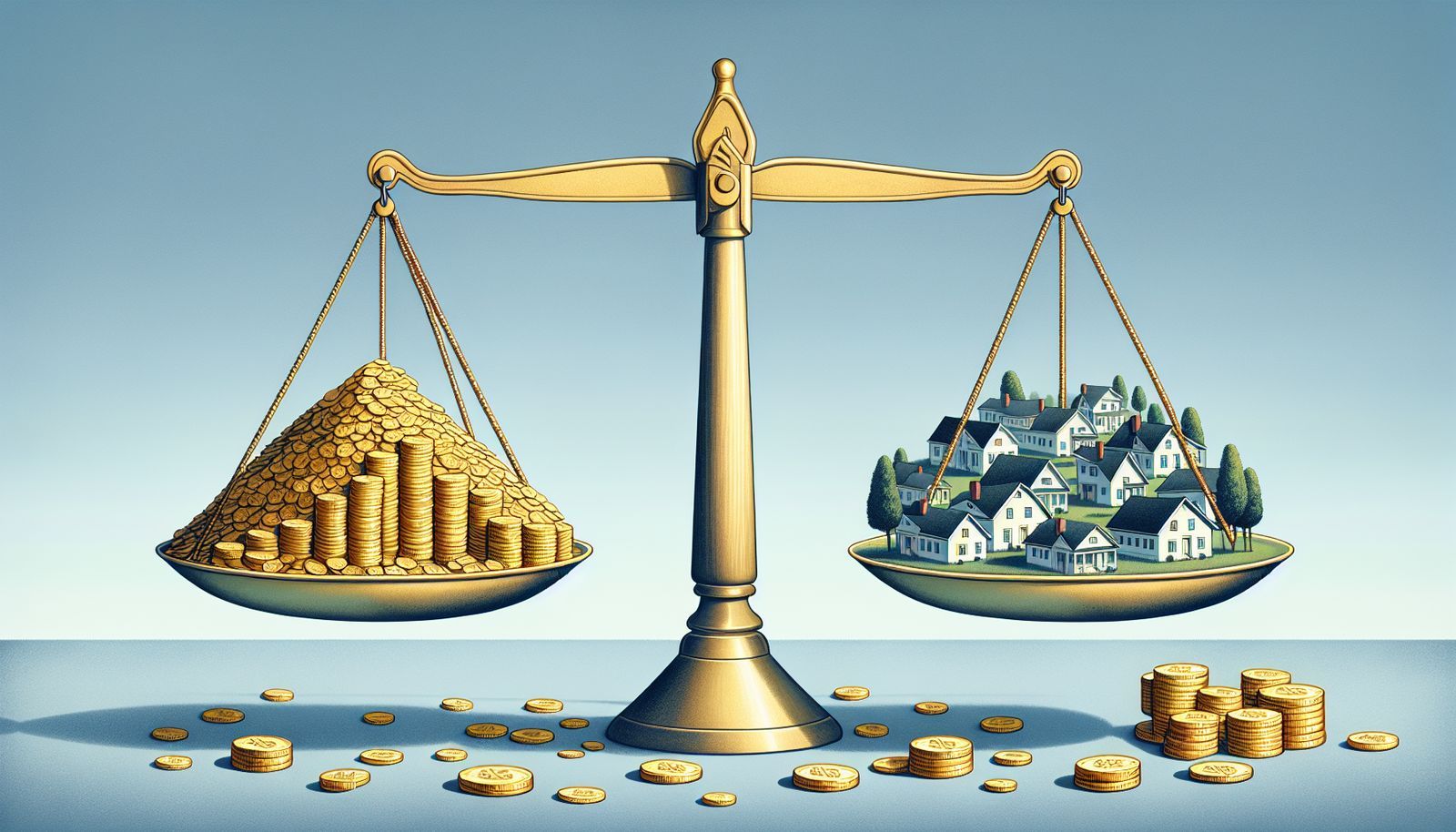
Overview of Tax Cuts for the Wealthy
Tax cuts for the wealthy have long been a contentious topic in economic policy discussions. Proponents argue that such cuts stimulate economic growth and investment, while critics contend that they exacerbate income inequality. This debate is not new; it has resurged with each significant tax reform in the United States and other developed nations. Understanding the arguments from both sides can provide valuable insight into the implications of these policies.
Arguments in Favor of Tax Cuts for the Wealthy
Supporters of tax cuts for the affluent often present several key arguments. One of the primary claims is that reducing taxes on the wealthy can spur economic growth. The rationale is that individuals and businesses with more disposable income are likely to invest that money back into the economy—whether through business expansion, job creation, or increased consumer spending. This phenomenon, often referred to as "trickle-down economics," suggests that benefits will eventually "trickle down" to lower-income individuals.
Another argument centers around the concept of capital formation. Wealthy individuals are typically in a position to invest in new ventures, technology, or real estate. Tax cuts can incentivize these investments, leading to innovation and increased productivity. In this view, a robust investment environment ultimately leads to job creation and higher wages, benefiting society as a whole.
Proponents also argue that higher taxes on the wealthy can lead to capital flight, where affluent individuals move their assets or even relocate to countries with more favorable tax regimes. This could result in a loss of tax revenue and economic dynamism domestically. By cutting taxes, supporters maintain that countries can retain their wealthiest citizens and attract foreign investment.
Arguments Against Tax Cuts for the Wealthy
Conversely, critics of tax cuts for the wealthy assert that these policies contribute to widening income inequality. They argue that the benefits of tax cuts disproportionately favor the rich, as they receive a larger share of the tax reduction. This can create a scenario where the wealth gap between the top earners and the middle or lower classes continues to expand, undermining social cohesion and economic stability.
Another significant concern is that tax cuts for the wealthy do not consistently lead to the promised economic growth. Critics often point to studies showing that after significant tax cuts, the expected increase in job creation or wage growth does not materialize as anticipated. They argue that the money saved from tax cuts is often not reinvested in the economy but instead used for stock buybacks, dividends, or luxury spending, which does not necessarily benefit the broader populace.
Moreover, opponents highlight the impact of reduced tax revenues on public services. Tax cuts can lead to budget shortfalls, forcing governments to cut funding for essential services such as education, healthcare, and infrastructure. This can disproportionately affect lower-income communities that rely more heavily on public services. Critics argue that the long-term social consequences of such cuts can outweigh any short-term economic benefits.
The Role of Economic Context
The effectiveness and implications of tax cuts for the wealthy can also depend significantly on the broader economic context. In times of economic recession or stagnation, tax cuts might be seen as a necessary stimulus to encourage spending and investment. Conversely, during periods of economic growth, critics argue that such cuts can lead to overheating and inflation, further exacerbating inequality as the wealthy accumulate more wealth without a corresponding benefit to the average worker.
The state of the economy also influences public perception of tax cuts. For instance, if the economy is thriving, the argument for tax cuts may seem less compelling, as the benefits of a strong economy are more widely felt. In contrast, during economic downturns, the urgency for stimulus measures can shift public opinion toward favoring tax cuts as a means of recovery.
Political Considerations
Political ideologies play a significant role in the debate over tax cuts for the wealthy. Conservative factions often advocate for tax cuts as a means to promote individual freedom and economic growth. They argue that a smaller tax burden allows individuals to make better financial decisions than the government, which they view as inefficient in resource allocation.
On the other hand, progressives tend to favor a more redistributive approach to taxation. They argue that wealthier individuals have a moral obligation to contribute more to society through taxes, especially in a world where income inequality is becoming increasingly pronounced. This perspective emphasizes the role of government in ensuring equitable access to resources and opportunities.
Political polarization can complicate the discourse around tax cuts. Each side often frames the debate in stark terms, making it challenging to find common ground. For instance, proponents may emphasize economic growth and job creation, while opponents focus on inequality and social justice. This dichotomy can lead to entrenched positions, hindering productive discussions about the potential merits and drawbacks of tax policy.
Potential Alternatives
As the debate continues, some policymakers and economists advocate for alternative approaches to taxation that aim to balance the need for revenue generation with the goal of economic growth. These alternatives might include progressive tax structures, where tax rates increase with income, or the implementation of wealth taxes that target accumulated assets rather than income alone.
Additionally, some propose tax incentives for businesses that invest in employee training, job creation, or sustainable practices. By aligning tax policy with specific social or economic goals, proponents argue that it is possible to foster a more equitable distribution of wealth without stifling economic growth.
The debate over tax cuts for the wealthy is complex, encompassing a range of economic theories, political ideologies, and social implications. While proponents argue that such cuts stimulate growth and investment, critics raise concerns about income inequality and the potential negative impacts on public services. The effectiveness of tax cuts can be influenced by the economic context, political landscape, and alternative approaches to taxation. As societies grapple with the challenges of economic inequality, the discussion surrounding tax policy remains crucial in shaping a fair and prosperous future.