
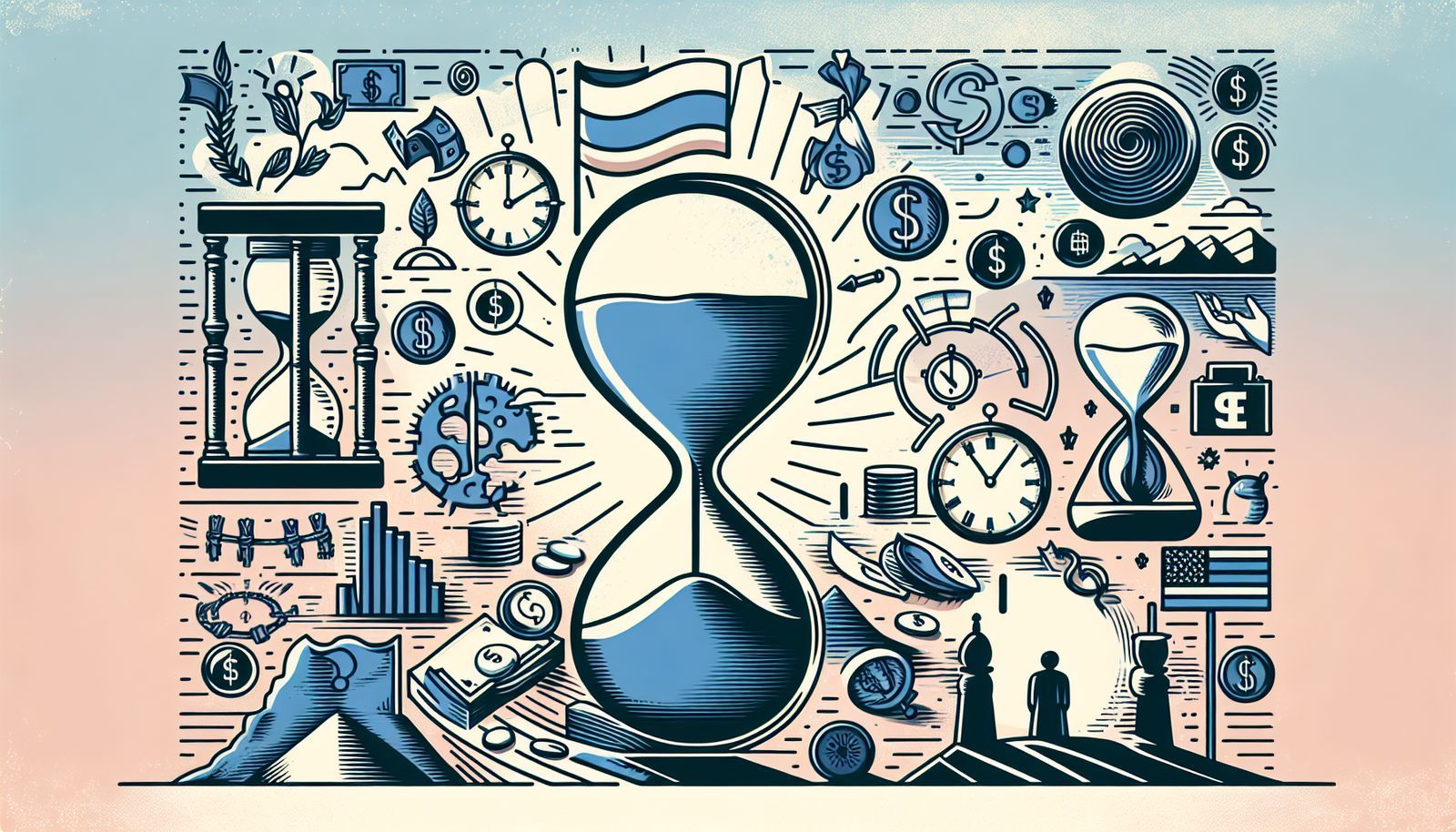
Understanding Time-Based Currencies
The concept of time-based currencies has garnered attention in recent years as people seek alternatives to traditional monetary systems. Time-based currencies operate on the principle of exchanging time instead of money, where individuals earn credits for the hours they spend providing services and can then spend those credits on services provided by others. This model is often seen as a means for fostering community ties and promoting equality. However, the debate surrounding the viability and sustainability of alternative economies, such as those based on time, raises questions about efficiency, scalability, and acceptance.
Pros of Time-Based Currencies
One of the primary arguments in favor of time-based currencies is their potential to create a more equitable economic system. Proponents argue that by valuing time equally, regardless of the service provided, individuals are less likely to be marginalized based on their skills or profession. In a traditional monetary system, some professions command higher wages than others, which can perpetuate social inequalities. Time-based currencies aim to level the playing field by ensuring that everyone's time is valued equally.
Additionally, time-based currencies often encourage community building and local cooperation. When individuals rely on one another for goods and services, it fosters relationships and strengthens social networks. This can lead to a more supportive community environment, where people are motivated to help each other rather than compete for financial gain. The emphasis on local economies can also reduce reliance on large corporations and promote sustainability through localized production and consumption.
Challenges of Time-Based Currencies
Despite the potential benefits, there are significant challenges facing time-based currencies that critics argue make them impractical on a larger scale. One of the main concerns is the limited range of goods and services that can be exchanged using time credits. While some services, like gardening or tutoring, can easily translate into time, others, such as high-tech services or specialized medical care, may not fit neatly into this model. Critics point out that this limitation can restrict the growth and utility of time-based currencies.
Furthermore, the scalability of time-based currencies presents a major hurdle. While they may work well in small communities or localized settings, it becomes increasingly complex to implement them in larger urban areas or across diverse populations. The logistics of tracking time credits, ensuring fair exchanges, and maintaining a reliable system could prove to be cumbersome and inefficient, leading to potential breakdowns in trust among users.
Economic Implications
The implementation of time-based currencies raises questions about their economic implications. Some economists argue that these systems could disrupt traditional economic structures and lead to unintended consequences. For example, if a significant portion of the population begins to rely on time-based currencies, it could diminish the role of conventional money, impacting inflation, taxation, and government revenue.
On the other hand, supporters argue that alternative currencies, including time-based ones, can coexist alongside traditional currencies, providing individuals with more choices in how they engage with the economy. This dual economy could foster innovation and adaptability, allowing communities to respond more effectively to local needs and challenges.
Social and Cultural Perspectives
The acceptance of time-based currencies is also influenced by social and cultural factors. In some communities, there may be a strong tradition of barter and informal economies, making the transition to a time-based system more feasible. Conversely, in cultures that prioritize monetary transactions and individualism, the adoption of time-based currencies may face resistance. The perceived value of time credits compared to traditional money can be a significant barrier, particularly if individuals are skeptical about the reliability and stability of such systems.
Advocates for time-based currencies often highlight successful case studies where these systems have thrived, such as time banks and local exchange trading systems (LETS). These examples illustrate that time-based currencies can foster community engagement and provide meaningful alternatives for individuals who may be disillusioned with conventional economic practices.
Technological Advancements
The rise of digital technology has also impacted the discussion around time-based currencies. With the advent of blockchain and cryptocurrency, some proponents believe that time-based currencies could be modernized and made more efficient. Blockchain technology could provide secure tracking of time credits and facilitate exchanges without the need for intermediaries. This could address some of the scalability and trust issues associated with traditional time-based systems.
However, skeptics warn that technology does not automatically solve the inherent challenges of time-based currencies. They argue that while technological advancements may enhance efficiency, they do not address the fundamental question of whether people will value time credits as much as traditional currency. Additionally, the digital divide could exacerbate inequalities, as not everyone has equal access to technology.
Future Outlook
The future of time-based currencies remains uncertain, as their success depends on numerous factors, including community engagement, cultural acceptance, and economic feasibility. While some advocates envision a world where time-based currencies complement traditional systems, critics caution against overestimating their potential impact.
As interest in alternative economies continues to grow, it is essential for communities and policymakers to engage in open dialogue about the benefits and challenges of time-based currencies. Exploring hybrid models that incorporate elements of both time-based and traditional economies may be a practical approach to harnessing the strengths of each system while mitigating their weaknesses.
The debate over time-based currencies is multifaceted and reflects broader questions about the nature of value, community, and economic sustainability. As societies grapple with issues of inequality and the impacts of globalization, exploring alternative economic models like time-based currencies becomes increasingly relevant. While there are compelling arguments on both sides, the path forward will likely require innovation, collaboration, and a willingness to experiment with new approaches to economic exchange. Whether time-based currencies can thrive in the long term remains an open question, one that invites continued exploration and dialogue.