
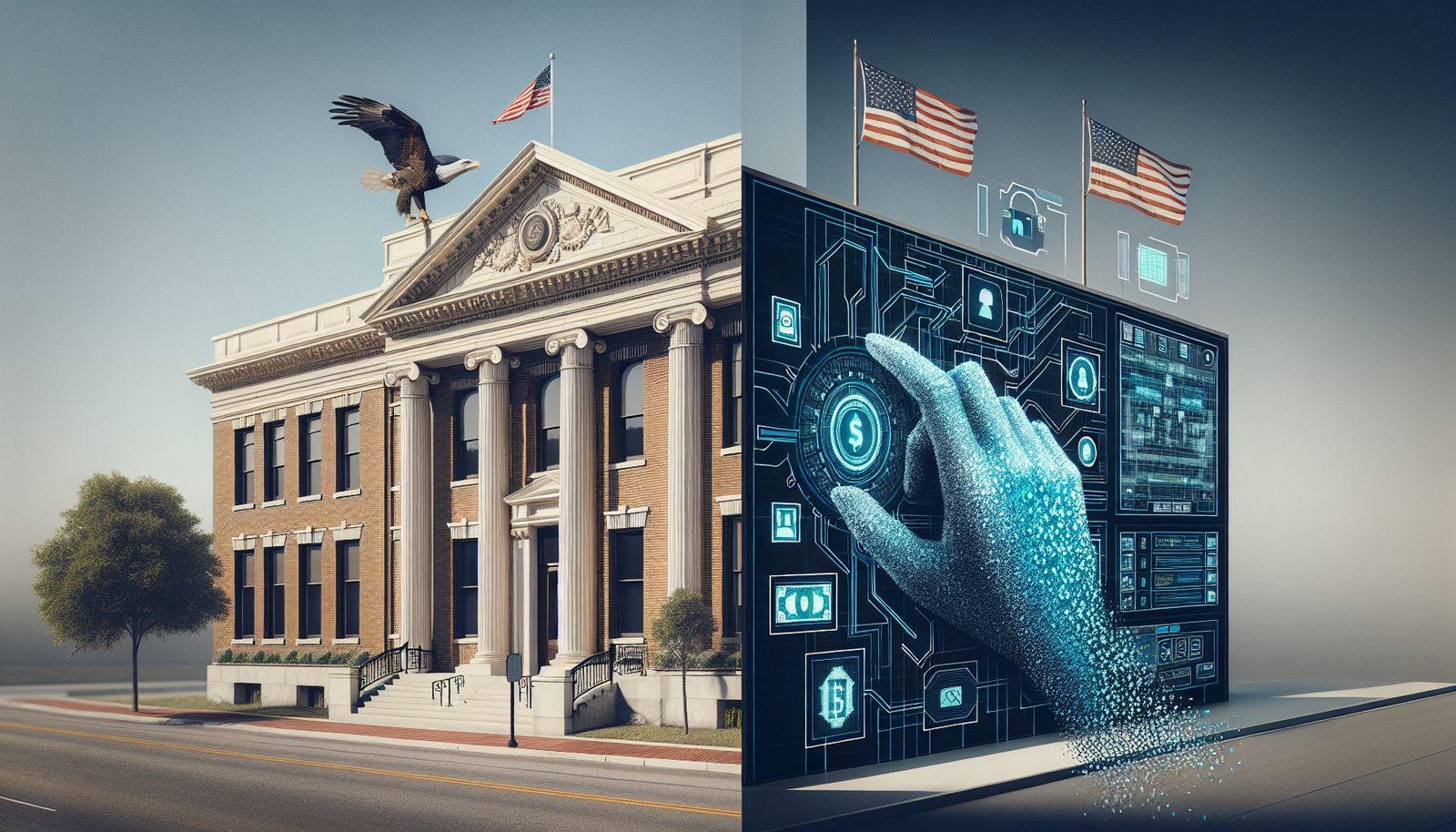
The Rise of Digital Banking
As technology continues to evolve at an unprecedented pace, the banking landscape is undergoing significant transformation. The rise of digital banking platforms has made it easier for consumers to manage their finances without stepping foot into a physical bank branch. Mobile banking apps, online payment solutions, and cryptocurrency are reshaping the way people think about money, leading to questions about the future of brick-and-mortar banks.
Proponents of digital banking argue that it provides greater convenience and flexibility. Users can access their accounts, transfer funds, and pay bills at any time, from anywhere, using their smartphones or computers. They appreciate the efficiency and speed of online transactions, which can often be completed in seconds. Moreover, digital banking often comes with lower fees and higher interest rates on savings accounts, making it a financially attractive option for many.
However, the increasing reliance on digital banking raises concerns about accessibility and security. Not everyone has access to the internet or smartphones, particularly among older generations or in rural communities. Additionally, the rise in cybercrime has led to fears regarding the safety of online banking. Data breaches and identity theft are real threats that can undermine consumer trust in digital financial systems.
The Enduring Role of Physical Banks
Despite the growth of digital banking, brick-and-mortar banks continue to play a crucial role in the financial ecosystem. Many customers still prefer face-to-face interactions for complex financial transactions, such as mortgage applications or investment advice. The personal touch of a human banker can provide reassurance and build trust that many consumers value.
Additionally, brick-and-mortar banks serve as community hubs, offering not just financial services but also fostering local engagement. They often sponsor community events and provide financial literacy programs, contributing positively to the local economy. For some individuals, particularly those who are unbanked or underbanked, physical banks are essential for accessing financial services like check cashing, safe deposit boxes, and cash withdrawals.
Moreover, regulations governing financial institutions often require physical locations to offer certain services, such as safe deposit boxes or notarization. This regulatory framework suggests that brick-and-mortar banks are likely to adapt rather than disappear entirely.
The Concept of a Cashless Society
The idea of a cashless society has gained traction in recent years, driven by the rise of mobile payments, contactless cards, and digital wallets. Proponents argue that moving towards a cashless society can streamline transactions, reduce costs associated with handling physical currency, and minimize petty crime associated with cash. It can also enhance government transparency and tax compliance by reducing the underground economy.
However, the shift towards a cashless society is not without its critics. Opponents argue that eliminating cash can exacerbate inequalities, as marginalized communities may lack access to digital payment systems. Furthermore, they express concerns about surveillance and privacy, fearing that a cashless society could allow governments and corporations to track every transaction, potentially infringing on individual freedoms.
Additionally, there are practical considerations. Cash remains a crucial fallback during technical failures, such as power outages or system crashes. In many cultures and regions, cash is still preferred for day-to-day transactions, and a sudden shift to a cashless system may lead to resistance.
The Adaptation of Traditional Banks
In response to these changing dynamics, traditional banks are evolving to meet consumer demands. Many are investing in digital infrastructure and enhancing their online services to remain competitive. They are introducing mobile apps with features like budgeting tools, real-time notifications, and streamlined customer service options.
Moreover, some banks are adopting hybrid models, blending physical and digital services. This approach allows them to maintain a presence in the community while also catering to tech-savvy customers who prefer online banking. By offering both options, banks can accommodate a broader range of customer preferences and needs.
This adaptation also includes partnerships with fintech companies to provide innovative solutions. Such collaborations allow traditional banks to leverage the agility and technological expertise of startups, enhancing their service offerings without completely overhauling their existing systems.
The Future of Cash
The future of cash itself is a contentious issue. While some countries have seen a decline in cash usage, others continue to embrace it as a vital part of their economy. For instance, nations like Sweden are leading the charge toward a cashless society, with a significant proportion of transactions conducted electronically. In contrast, countries such as Japan and Germany still prefer cash for everyday transactions, demonstrating that cultural attitudes toward money can significantly influence cash usage.
The role of cash is also tied to financial inclusion. In many areas, cash is the most accessible form of payment, particularly for those without bank accounts. Eliminating cash could marginalize these individuals, further entrenching existing inequalities in financial access.
Moreover, the COVID-19 pandemic has accelerated discussions about cash usage, as concerns about virus transmission led some to avoid physical currency. However, this temporary shift may not lead to a permanent decline in cash usage. On the contrary, many people have returned to using cash as restrictions have eased, suggesting that the relationship with cash is complex and varies significantly across demographic groups.
Conclusion: A Balancing Act
The future of brick-and-mortar banks and the potential transition to a cashless society represents a complex interplay of technology, consumer preferences, and societal values. While digital banking offers convenience and efficiency, physical banks maintain an essential role in providing personalized services and fostering community engagement.
As society continues to navigate this evolving landscape, it will be crucial to strike a balance between embracing technological advancements and ensuring that all individuals have access to essential financial services. Whether we ultimately move toward a cashless society or find a way to coexist with cash, the key will lie in understanding the diverse needs of consumers and adapting accordingly.