
Why the Gig Economy Sparks Debate
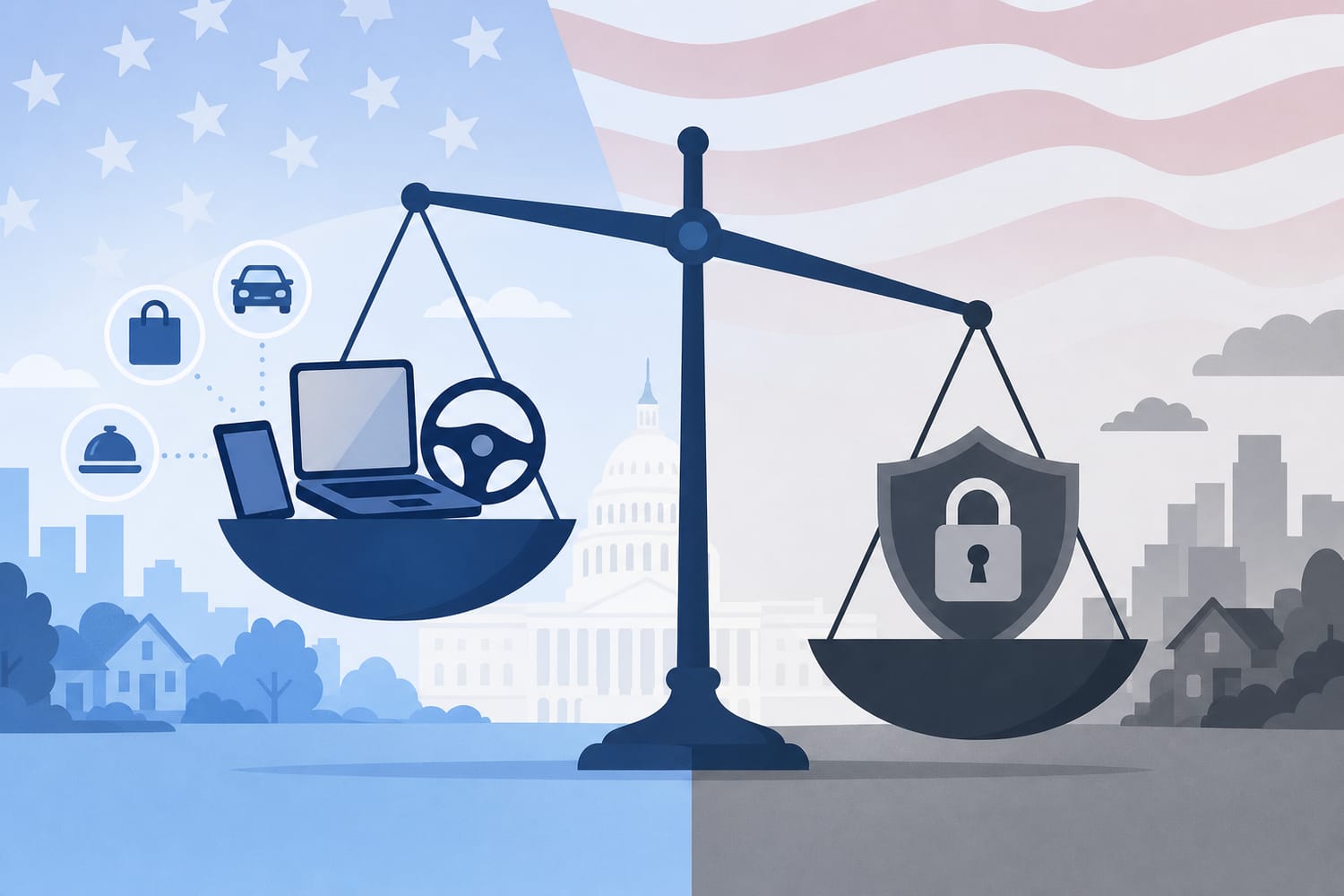
The gig economy has become one of the most visible changes in the modern labor market. It includes app-based driving and delivery, freelance design, online tutoring, short-term home repair work, consulting, content creation, and many other forms of temporary or task-based work. For some people, it represents freedom: the ability to choose when, where, and how to work. For others, it represents instability: unpredictable income, limited protections, and a shift of risk from companies to workers.
The debate is not simply between “good jobs” and “bad jobs.” Many gig workers value the model, while many others feel trapped by it. Companies argue that flexibility depends on classifying workers as independent contractors, while labor advocates argue that basic protections should not disappear just because work is arranged through an app. Policymakers, meanwhile, are trying to decide whether existing labor laws can handle these new arrangements or whether new categories and protections are needed.
The Case for Flexibility and Choice
Supporters of the gig economy often begin with flexibility. Traditional employment usually requires fixed schedules, supervisors, and long-term commitments. Gig work can allow people to work around school, caregiving, health conditions, or another job. A parent may drive for a rideshare platform while children are in school. A student may complete freelance projects between classes. A retiree may take occasional delivery work for extra income.
For these workers, the gig economy can provide access to paid work without the barriers of a conventional job search. Many platforms allow people to start quickly, set their own hours, and accept or reject tasks. Supporters argue that this autonomy is valuable and should not be dismissed. They also point out that not everyone wants a full-time job with a single employer. Some people prefer variety, independence, or the chance to build a portfolio of clients.
There is also an entrepreneurial argument. Gig platforms can reduce the cost of finding customers. A driver does not need to start a transportation company, and a freelance designer can reach clients through online marketplaces. In this view, platforms act as connectors that make self-employment easier and more accessible.
The Concern About Insecurity
Critics focus on the insecurity that often comes with gig work. Independent contractors typically do not receive employer-sponsored health insurance, paid sick leave, unemployment insurance, workers’ compensation, retirement contributions, or guaranteed minimum wages. If demand falls, a worker’s income can drop suddenly. If a worker is injured or becomes ill, there may be little support.
Another concern is that “flexibility” may be less real than advertised. Some gig workers can choose their hours, but their earnings may depend heavily on working at peak times, responding quickly to platform incentives, or accepting enough tasks to satisfy algorithmic systems. A worker may technically be free to log off, but financially unable to do so.
Critics also argue that gig work can shift business costs onto workers. Drivers often pay for fuel, vehicle maintenance, insurance, and depreciation. Freelancers may pay for equipment, software, training, and unpaid time spent searching for clients. When these costs are considered, hourly earnings may be lower than they initially appear.
The Question of Worker Classification
A central issue is whether gig workers should be classified as independent contractors or employees. Companies generally argue that contractor status is essential to the gig model. If workers became employees, companies might have to provide benefits, comply with wage laws, schedule shifts, and exercise more control. Supporters of the contractor model say this could reduce flexibility, raise consumer prices, and limit opportunities for workers who only want part-time or occasional income.
Labor advocates counter that many gig workers function more like employees than independent business owners. They may have limited control over prices, customer access, performance standards, or the rules governing their work. Platforms may decide which jobs are offered, how workers are rated, and whether workers remain active. From this perspective, contractor classification can allow companies to avoid responsibilities that traditional employers are required to meet.
Some policymakers have proposed a middle category between employee and contractor. This could preserve some flexibility while granting benefits such as accident insurance, portable retirement accounts, or minimum pay standards. Supporters see this as a practical compromise. Opponents worry it could create confusion or weaken the rights of workers who should already qualify as employees.
The Role of Technology and Algorithms
Technology is another major part of the debate. Platforms use algorithms to match workers with customers, set prices, track performance, and manage ratings. Supporters argue that this makes markets more efficient. Customers can find services quickly, and workers can access opportunities without traditional hiring processes.
However, critics raise concerns about transparency and control. If an algorithm determines access to work, workers may not know why their earnings rise or fall. A change in pricing rules, customer ratings, or account status can significantly affect income. Workers may feel managed by systems they cannot question or negotiate with.
There is also debate over data. Platforms collect large amounts of information about workers, customers, routes, response times, and behavior. Companies view this data as essential to improving service and safety. Worker advocates argue that people should have more rights to understand and challenge automated decisions that affect their livelihoods.
The Consumer Perspective
Consumers often benefit from the gig economy through convenience, lower prices, and wider access to services. Rides can arrive within minutes, meals can be delivered quickly, and specialized freelancers can be hired from anywhere in the world. For many consumers, these services have become part of daily life.
But consumer benefits are also part of the ethical debate. Lower prices and fast service may depend on workers absorbing costs or lacking benefits. Some consumers are willing to pay more if workers receive stronger protections. Others may prioritize affordability, especially in a period when many households face financial pressure.
There is no single consumer viewpoint. Some people see gig platforms as innovations that improve quality of life. Others worry that convenience can hide difficult labor conditions. Many may hold both views at once, appreciating the services while feeling uncertain about the system behind them.
The Business and Economic Argument
Businesses argue that gig models encourage innovation, competition, and efficiency. Platforms can scale quickly because they are not structured like traditional employers. This can create new markets, generate income opportunities, and meet consumer demand in ways that older industries did not.
Supporters also argue that regulating gig work too heavily could reduce availability. If companies must treat all workers as employees, they may limit the number of workers, impose fixed schedules, or leave certain markets. This could hurt workers who rely on gig income and consumers who use the services.
Critics respond that business models should not depend on avoiding labor protections. They argue that if a company cannot provide basic security to the people who perform its core services, the model may be socially costly even if it is profitable. They also note that traditional businesses may face unfair competition when gig platforms operate with lower labor costs.
The Global and Social Dimension
The gig economy looks different across countries and communities. In places with strong public healthcare, paid leave, or social insurance, gig workers may face less risk because benefits are not tied as tightly to employers. In countries where benefits are mostly employer-based, independent contractors may be more vulnerable.
The impact also varies by class, race, gender, immigration status, and geography. Some workers use gig platforms to supplement stable income, while others depend on them as a main source of survival. Some may choose gig work because they value independence; others may choose it because traditional employment is unavailable, discriminatory, or incompatible with family responsibilities.
This complexity makes broad conclusions difficult. The same platform can provide welcome flexibility to one worker and deep instability to another. That is one reason the debate remains intense: people are often describing different lived experiences within the same economic system.
Possible Paths Forward
Proposed solutions vary widely. Some favor stronger enforcement of existing employment laws, arguing that many gig workers should already be considered employees. Others support portable benefits that follow workers across platforms and jobs. Some suggest minimum earnings standards, greater algorithmic transparency, collective bargaining rights, or mandatory insurance for injuries and accidents.
Companies often prefer targeted benefits that do not require full employee classification. Labor groups may support broader protections and worker organizing rights. Policymakers must weigh flexibility, fairness, innovation, affordability, and administrative complexity.
The central challenge is to protect workers without eliminating the aspects of gig work that many people genuinely value. Too little regulation may leave workers exposed to financial insecurity. Too much or poorly designed regulation may reduce opportunities or flexibility. The debate is not likely to disappear, because it touches a larger question about the future of work itself: whether economic freedom and economic security can be designed to coexist.