
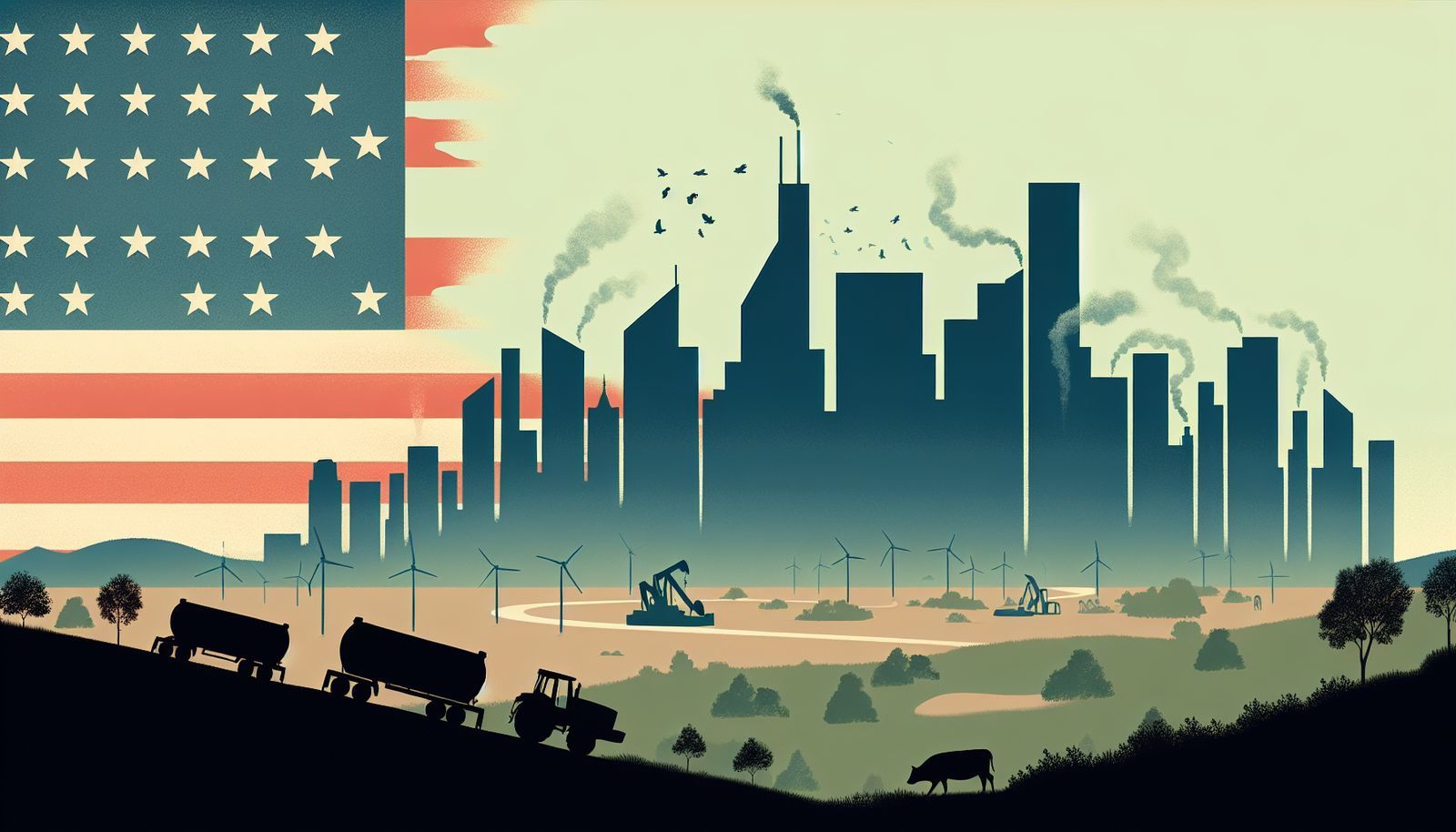
Understanding Degrowth Economics
Degrowth economics is a concept that challenges the traditional narrative of continuous economic growth as a solution to societal and environmental issues. Advocates argue that a deliberate reduction in consumption and production is necessary to combat climate change, reduce resource depletion, and promote social equity. This perspective raises fundamental questions about the sustainability of our current economic models and the inherent relationship between consumption, wellbeing, and environmental health.
On the other hand, critics of degrowth economics suggest that reducing consumption could lead to economic stagnation, unemployment, and decreased living standards. They argue that innovation and technological advancements, rather than a reduction in consumption, are the keys to solving environmental issues. This blog post explores the various sides of the debate surrounding degrowth economics and its potential impact on the planet.
The Case for Degrowth
Proponents of degrowth posit that the current trajectory of relentless growth is unsustainable. They argue that the planet has finite resources, and the consumption patterns of developed nations are leading to ecological crises, including climate change, biodiversity loss, and pollution. Advocates assert that by reducing consumption, societies can mitigate these adverse effects and create a more equitable world.
Degrowth is not merely about cutting back; it encompasses a reimagining of what a good life means. Supporters advocate for a shift toward values that prioritize well-being, community, and ecological health over material wealth. They argue that a society focused on quality of life rather than quantity of goods can lead to healthier communities, stronger social ties, and a sustainable relationship with the environment.
Economic Implications of Degrowth
The economic implications of adopting a degrowth model are complex and multifaceted. Advocates argue that transitioning to a degrowth economy could foster innovation in sustainable technologies and practices. By redefining success away from GDP growth, businesses and governments could invest in sustainable resources, renewable energy, and social infrastructures that prioritize long-term wellbeing.
Conversely, critics contend that degrowth could stifle economic innovation and job creation. They argue that a reduction in consumption would lead to decreased demand for goods and services, potentially resulting in layoffs and economic contraction. This perspective emphasizes the need for economic growth as a means to alleviate poverty and improve living standards, suggesting that the global economy relies on consumption for stability and prosperity.
Social Equity and Degrowth
Degrowth advocates often highlight the potential for increased social equity through reduced consumption. They argue that excessive consumption patterns disproportionately benefit wealthy individuals and nations while exacerbating inequalities for marginalized communities. By prioritizing basic needs and redistributing resources, degrowth could lead to a more just society where everyone has access to essential services.
However, critics raise concerns about the practicalities of implementing a degrowth agenda. They question how societies can ensure equitable access to resources in a context where consumption is intentionally reduced. There is a fear that degrowth could lead to a "race to the bottom," where the most vulnerable populations bear the brunt of austerity measures. This raises significant ethical considerations about how to balance environmental priorities with social justice.
Technological Optimism vs. Degrowth
The debate between technological optimism and degrowth is particularly contentious. Proponents of technological innovation argue that advancements in renewable energy, efficiency, and resource management can address environmental concerns without necessitating a reduction in consumption. They contend that the right technologies can decouple economic growth from environmental degradation, allowing societies to continue prospering while reducing their ecological footprint.
Degrowth advocates, however, caution against over-reliance on technology as a panacea. They argue that many technological solutions can have unintended consequences and may not address the root causes of environmental degradation. Additionally, they emphasize that technological advances often lead to increased consumption and waste, rather than reductions. This perspective calls for a more holistic approach that includes rethinking societal values and consumption patterns alongside technological development.
Cultural Perspectives on Consumption
Cultural attitudes towards consumption play a significant role in the degrowth debate. In many Western societies, consumerism is deeply ingrained, often equating happiness and success with material possessions. Degrowth proponents argue for a cultural shift that redefines success beyond consumer goods, promoting values such as sustainability, community, and mindfulness.
On the other hand, critics argue that consumer choice is a fundamental aspect of freedom and personal expression. They contend that individuals should have the right to choose how they want to live and consume, suggesting that voluntary simplicity or conscious consumption can coexist with economic growth. This perspective emphasizes the importance of consumer sovereignty and innovation in developing sustainable products and services.
Policy Approaches to Degrowth
The question of how to implement degrowth policies is a central issue in the debate. Proponents suggest a variety of approaches, including implementing taxes on carbon emissions, promoting local economies, and investing in public goods. They argue that governments should take an active role in creating an economy that prioritizes sustainability over growth.
Critics, however, caution that such policies may be politically unfeasible or economically damaging. They argue that a sudden shift away from growth-oriented policies could lead to economic instability, job losses, and social unrest. Instead, they advocate for incremental changes that encourage sustainable practices without compromising economic stability.
Conclusion: A Path Forward
The impact of degrowth economics is a complex and multifaceted issue with passionate advocates on both sides. While proponents present compelling arguments for the necessity of reducing consumption to save the planet, critics raise valid concerns about the potential economic and social consequences of such a shift.
As the world grapples with pressing environmental challenges, it is crucial to explore a range of perspectives and solutions. Whether through degrowth, technological innovation, or a combination of both, the ultimate goal should be to create a sustainable and equitable future for all. Engaging in thoughtful dialogue and considering diverse viewpoints will be essential as societies navigate the complexities of consumption, wellbeing, and environmental stewardship.