
Understanding Microfinance
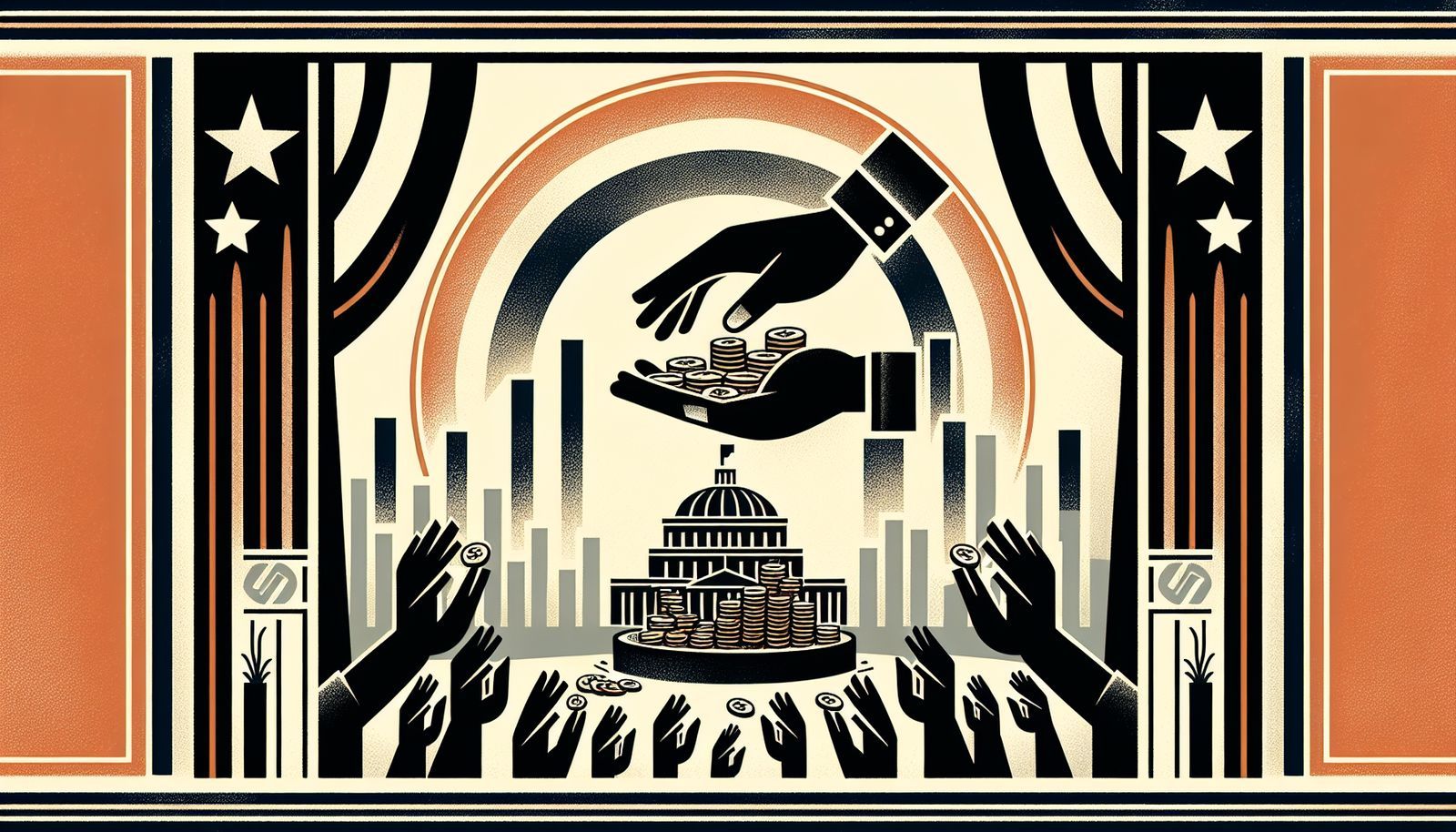
Microfinance refers to the provision of financial services to low-income individuals or those without access to typical banking services. This includes small loans, savings accounts, insurance, and other financial products. The concept gained prominence in the late 20th century, particularly through the work of Muhammad Yunus and the Grameen Bank in Bangladesh, which pioneered micro-lending as a means to combat poverty. Proponents argue that microfinance can empower individuals, foster entrepreneurship, and stimulate economic growth. However, critics raise concerns about sustainability, potential over-indebtedness, and the overall effectiveness of microfinance in alleviating poverty.
The Case for Microfinance
Supporters of microfinance highlight several key benefits that small loans can provide to impoverished communities. One of the most significant arguments is that microfinance can promote self-sufficiency by enabling individuals to start or expand small businesses. This entrepreneurial spirit can lead to job creation, increased income, and improved living standards.
Additionally, microfinance institutions (MFIs) often focus on women, who are disproportionately affected by poverty and lack access to financial resources. Empowering women through microloans has been shown to have a ripple effect, as women tend to invest more in their families and communities. Studies have indicated that increased financial independence for women can lead to better health, education, and overall quality of life for their children.
Furthermore, microfinance can enhance financial literacy among borrowers. Many MFIs provide training on budgeting, saving, and business management, equipping clients with essential skills to manage their finances effectively. This educational component can create a more financially aware population, fostering long-term economic stability.
The Critique of Microfinance
Despite its potential benefits, there are notable criticisms of microfinance. One major concern is the high interest rates often associated with microloans. While MFIs argue that these rates are necessary to cover operational costs, critics claim that they can lead to a cycle of debt for borrowers. In some cases, individuals take out multiple loans from different sources to meet repayment obligations, leading to over-indebtedness and financial distress.
Moreover, the focus on individual entrepreneurship may overshadow the need for systemic change to address poverty. Critics argue that microfinance can sometimes serve as a band-aid solution, temporarily alleviating symptoms of poverty without addressing the underlying structural issues, such as lack of access to quality education, healthcare, and adequate infrastructure.
Additionally, the effectiveness of microfinance in lifting people out of poverty is debated. Some studies have shown minimal impact on overall poverty levels, raising questions about the sustainability of microfinance as a long-term solution. Critics suggest that while microfinance can provide short-term relief, it may not be sufficient for sustained economic improvement.
Microfinance Success Stories
There are numerous success stories of individuals and communities that have benefited from microfinance. For instance, a small loan may enable a woman to purchase livestock, which can provide a steady source of income through the sale of milk or meat. In such cases, borrowers often report improved financial stability, health, and access to education for their children.
Additionally, some MFIs have implemented innovative models, such as group lending, where borrowers collectively guarantee each other's loans. This model not only reduces the risk of default but also fosters community support and accountability. In many instances, these group dynamics have proven effective in empowering individuals and generating positive social change.
The Role of Regulation and Oversight
The growth of the microfinance sector has led to calls for increased regulation and oversight to protect borrowers from predatory lending practices. Supporters of regulation argue that establishing guidelines for interest rates, loan terms, and transparency can help mitigate the risks associated with high-interest loans and over-indebtedness.
On the other hand, critics of regulation caution that excessive oversight may stifle innovation and limit access to credit for those who need it most. They argue that a balance must be struck to ensure that MFIs can operate sustainably while providing necessary financial services to underserved populations.
The Future of Microfinance
As the microfinance industry continues to evolve, new technologies and approaches are being explored to enhance its effectiveness. Digital finance and mobile banking, for instance, have the potential to broaden access to financial services for remote and underserved populations. By leveraging technology, MFIs can reach a larger audience while reducing operational costs.
Moreover, there is a growing emphasis on integrating microfinance with other development initiatives, such as education and healthcare, to create a more holistic approach to poverty alleviation. By addressing the multifaceted nature of poverty, the impact of microfinance can be amplified.
The debate surrounding the impact of microfinance on poverty alleviation is complex and multifaceted. While there are compelling arguments both for and against its efficacy, it is clear that microfinance has the potential to empower individuals and foster economic growth when implemented thoughtfully. However, the challenges it faces, including high-interest rates, over-indebtedness, and the need for systemic change, must be addressed to ensure that microfinance can be a sustainable solution to poverty. As the sector continues to evolve, ongoing dialogue and research will be essential to understand how best to harness the power of microfinance in the fight against poverty.