
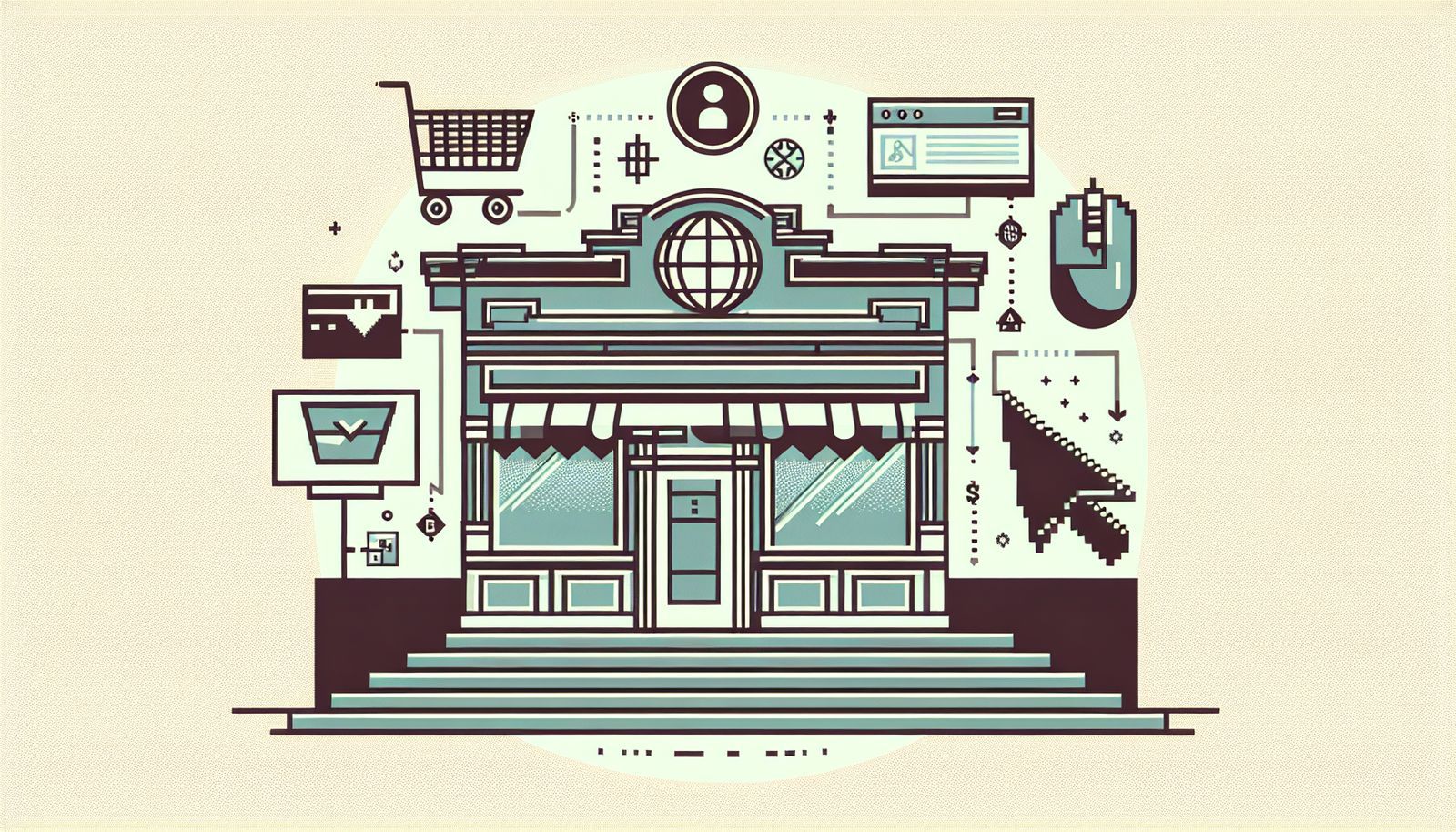
The Rise of Online Retail
The growth of online retail has been explosive over the past two decades. E-commerce giants like Amazon, eBay, and Alibaba have transformed how consumers shop, making it easier than ever to purchase goods from the comfort of their homes. With just a few clicks, customers can browse countless products, compare prices, and read reviews, often finding better deals than they would in physical stores. This convenience has led to a significant shift in consumer behavior, with more people opting for online shopping over traditional brick-and-mortar stores.
The COVID-19 pandemic accelerated this trend, as lockdowns and social distancing measures forced many consumers to turn to online shopping out of necessity. Retailers who had previously relied on in-store sales scrambled to enhance their digital presence. This rapid shift has sparked a debate about the long-term implications of online retail for brick-and-mortar stores. Are they evolving to coexist with online platforms, or are they facing inevitable decline and extinction?
The Case for Evolution
Proponents of brick-and-mortar stores argue that they are not necessarily on the brink of demise but are instead evolving to adapt to the changing retail landscape. Many retailers are integrating online and offline experiences, creating a seamless omnichannel approach. This strategy allows customers to shop in-store, online, or a combination of both, providing flexibility that caters to diverse consumer preferences.
Some brick-and-mortar stores have embraced technology to enhance the shopping experience. For instance, retailers are using augmented reality (AR) to let customers visualize products in their homes before making a purchase. Others are incorporating mobile apps that allow customers to check inventory, access personalized promotions, and even complete transactions in-store without needing to visit a checkout counter.
Additionally, physical stores can offer unique experiences that online retail cannot replicate. Many consumers value the tactile experience of shopping, enjoying the ability to touch, feel, and try products before buying them. Stores can also create immersive brand experiences through in-person events, workshops, and demonstrations that foster community engagement and loyalty.
The Argument for Demise
On the flip side, critics argue that the rise of online retail poses an existential threat to brick-and-mortar stores. They point to the rapid closures of well-known retail chains, such as Toys "R" Us and J.C. Penney, as evidence that traditional stores struggle to compete with their online counterparts. The convenience of online shopping, combined with the ability to quickly compare prices and read reviews, makes it increasingly difficult for physical retailers to attract foot traffic.
Moreover, the cost structure of brick-and-mortar operations can be a significant disadvantage. Physical stores incur expenses such as rent, utilities, and staffing, while online retailers can operate with lower overhead costs. This disparity allows e-commerce platforms to offer lower prices, further enticing consumers to shop online.
Some industry analysts suggest that the pandemic may have permanently altered consumer habits. With a growing number of people accustomed to online shopping for essentials and luxuries alike, it may be challenging for brick-and-mortar stores to regain their footing. The fear is that as more consumers embrace the convenience of e-commerce, the demand for physical retail will continue to decline.
The Role of Adaptation
While the debate between evolution and demise rages on, many retail experts emphasize the importance of adaptation. Retailers that can pivot and embrace change may find new opportunities for growth. For instance, some brands have successfully shifted their focus to e-commerce while maintaining a smaller physical footprint. By using stores as fulfillment centers for online orders, these retailers can leverage their existing infrastructure to meet the demands of both in-store and online shoppers.
Additionally, some businesses have adopted a hybrid model, blending online and offline experiences. Click-and-collect services, where customers purchase items online and pick them up in-store, have gained popularity. This approach not only drives foot traffic to stores but also creates an opportunity for upselling and cross-selling.
Retailers that prioritize customer experience and personalized service may also find ways to thrive. Building strong relationships with customers and offering exceptional service can create brand loyalty that transcends the convenience of online shopping.
The Future of Retail
The future of brick-and-mortar stores will likely involve a combination of strategies that embrace both online and offline shopping experiences. Retailers may need to rethink their store layouts, focusing on creating engaging environments that draw customers in while also facilitating online transactions.
As technology continues to evolve, innovations such as artificial intelligence (AI) and machine learning may play a significant role in shaping the retail landscape. These technologies can help retailers analyze customer behavior, optimize inventory management, and personalize marketing efforts, ultimately enhancing the shopping experience whether online or in-store.
Moreover, the increasing importance of sustainability and ethical consumption may drive consumers back to local brick-and-mortar businesses that prioritize environmentally friendly practices. Supporting local economies and reducing carbon footprints could become significant factors in consumer purchasing decisions, leading to a resurgence of interest in physical retail.
The Consumer's Perspective
At the heart of this debate is the consumer. Different demographics have varying preferences when it comes to shopping. Younger generations, such as Gen Z and millennials, are often more inclined to shop online, valuing convenience and speed. In contrast, older generations may prefer the traditional shopping experience, enjoying the social aspect and tactile engagement with products.
As consumers become more discerning about their shopping habits, retailers will need to listen and adapt. The ability to provide a unique, personalized experience—whether online or in-person—will be crucial for businesses aiming to capture the attention and loyalty of today's shoppers.
The impact of online retail on brick-and-mortar stores is complex and multifaceted. While some argue that traditional retailers face an uphill battle for survival, others see opportunities for evolution and adaptation. The future of retail will likely depend on how well businesses can integrate online and offline experiences, leverage technology, and prioritize customer engagement. Ultimately, the landscape may not be a binary choice between evolution and demise but rather a nuanced coexistence of both worlds, with retailers finding innovative ways to thrive in a rapidly changing environment.