
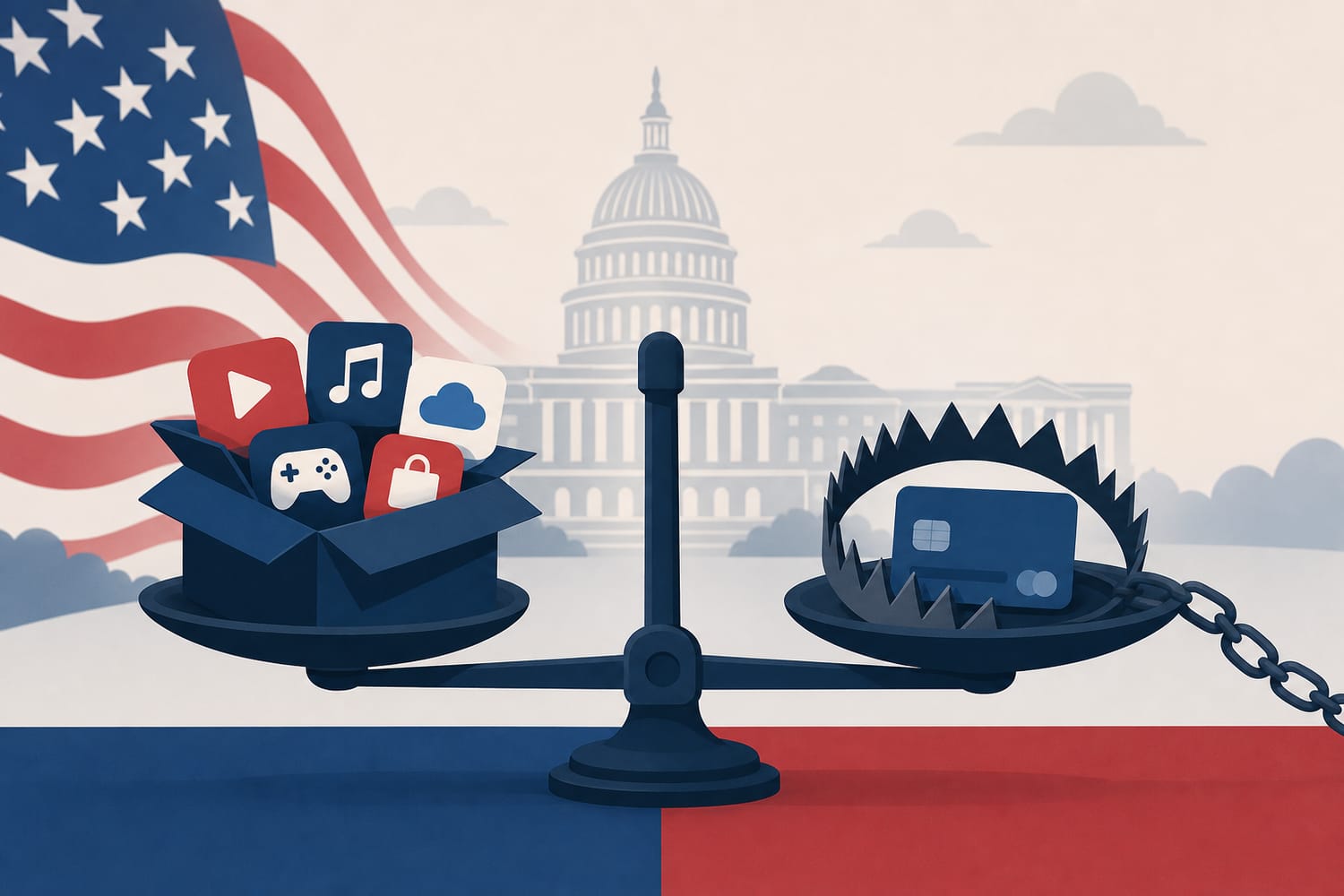
Subscriptions have moved far beyond magazines, newspapers, and cable television. Today, people subscribe to movies, music, meal kits, razors, software, fitness apps, cloud storage, coffee, pet food, clothing, cars, and even heated seats in vehicles. This shift is often described as the “subscription economy,” a business model built around recurring payments rather than one-time purchases.
Supporters argue that subscriptions offer convenience, flexibility, and access to products and services that might otherwise be expensive or difficult to obtain. Instead of buying software outright, consumers can pay monthly and receive constant updates. Instead of shopping for household basics, they can have items delivered automatically. Instead of purchasing a large media library, they can stream millions of songs, films, and shows on demand.
Critics, however, see a different picture. They argue that subscriptions can quietly drain consumers’ budgets, encourage overconsumption, reduce ownership, and make it difficult to cancel unwanted services. Some believe the model benefits companies more than customers by creating predictable revenue streams while making spending feel less noticeable.
The debate is not simply about whether subscriptions are good or bad. It is about how they are designed, how transparent companies are, how much control consumers have, and whether convenience is worth the long-term costs.
The Case for Convenience
One of the strongest arguments in favor of subscriptions is convenience. Many subscriptions remove repetitive tasks from daily life. A household that regularly buys detergent, pet food, contact lenses, or groceries may appreciate automatic delivery. Rather than remembering to restock essential items, consumers can set a schedule and rely on regular shipments.
Digital subscriptions offer a similar appeal. Streaming platforms, news sites, audiobooks, and learning apps provide instant access to large libraries of content. For many users, this is more practical than buying individual movies, albums, books, or courses. The subscription model can make discovery easier, allowing people to try new content without paying separately each time.
Supporters also argue that subscriptions can create better customer experiences. Because companies rely on recurring payments, they have an incentive to keep customers satisfied over time. A business that depends on renewals may invest in customer service, product improvements, and regular updates. In this view, subscriptions can align company success with ongoing customer value.
For businesses, predictable revenue can lead to stability. This can be especially important for software companies, media outlets, and creators. Instead of relying on unpredictable one-time sales, recurring income can support long-term planning, staff, infrastructure, and innovation. Advocates say this stability can ultimately benefit consumers by supporting higher-quality products and services.
The Argument for Access Over Ownership
Another common defense of the subscription economy is that it gives consumers access without requiring ownership. This can reduce upfront costs and make expensive goods or services available to more people. For example, professional software that once cost hundreds or thousands of dollars can now be accessed through a monthly plan. A person who needs it temporarily may find that more affordable than buying it outright.
The same logic applies to entertainment. A music streaming subscription gives users access to a massive catalog for a relatively low monthly fee. Buying every album individually would be far more expensive. For many people, access is more valuable than ownership because they prefer variety, flexibility, and lower upfront costs.
This model may also fit modern lifestyles. People move more frequently, use multiple devices, and expect services to work across platforms. Owning physical media or permanent licenses may feel less useful when technology changes quickly. Subscriptions can adapt to new devices and provide updates without requiring consumers to buy new versions.
However, the access-over-ownership argument has limits. Critics point out that when consumers subscribe rather than own, they may lose control. Content can disappear from streaming platforms. Software features can change. Prices can rise. A service can shut down entirely. In these cases, consumers may realize they have paid for access but built no lasting ownership.
The Concern About Subscription Fatigue
While one or two subscriptions may feel manageable, many consumers now juggle several. Video streaming, music, cloud storage, fitness apps, delivery memberships, gaming services, newsletters, and productivity tools can add up quickly. This has led to what many call “subscription fatigue.”
Critics argue that the subscription model works partly because recurring charges are easy to overlook. A small monthly fee may seem harmless, but multiple subscriptions can become a significant expense. Unlike a one-time purchase, a subscription continues until actively canceled. If consumers forget, procrastinate, or face complicated cancellation processes, they may keep paying for services they barely use.
Some people also feel overwhelmed by fragmentation. In entertainment, for instance, content is spread across many streaming services. A consumer who once subscribed to one or two platforms may now need several to watch preferred shows and sports. What began as a cheaper alternative to cable can start to resemble the same problem in a different form.
Businesses may see subscriptions as a path to recurring revenue, but consumers may experience them as a growing list of financial obligations. The debate often centers on whether customers truly benefit from ongoing access or whether companies are simply turning every product into a permanent bill.
Dark Patterns and Cancellation Problems
One of the most controversial aspects of the subscription economy involves cancellation practices. Many critics argue that some companies make signing up easy but canceling difficult. This can include hidden cancellation links, long customer service calls, confusing menus, required emails, or retention offers designed to delay the process.
These tactics are sometimes called “dark patterns,” meaning design choices that push users toward decisions they might not otherwise make. In subscriptions, dark patterns may include pre-checked boxes, free trials that automatically convert into paid plans, unclear renewal terms, or pricing that hides the real long-term cost.
Supporters of subscriptions may argue that not all companies use these tactics and that many services are transparent and easy to cancel. They may also point out that free trials and automatic renewals can be useful when clearly explained. A consumer who enjoys a service may appreciate not having to manually renew every month.
Still, the existence of difficult cancellation processes has shaped public opinion. For many critics, the issue is not the subscription model itself but the imbalance of power between companies and consumers. If a business profits from forgetfulness, confusion, or inconvenience, the model begins to look less like convenience and more like a trap.
The Business Perspective
From a business standpoint, subscriptions can be highly attractive. Recurring revenue makes income more predictable, which can help companies plan budgets, attract investors, and fund product development. Customer relationships may also become longer-term, allowing companies to gather feedback and improve services.
Subscriptions can reduce the pressure to constantly find new buyers. Instead, companies can focus on retaining existing customers. In theory, this encourages better service because dissatisfied customers can cancel. A subscription business must continue proving its value, rather than relying solely on a one-time sale.
However, there are risks for businesses too. Customers can cancel quickly if they feel a service is not worth the cost. Competition is intense, and consumers may regularly rotate subscriptions depending on price, content, or need. Companies may also face public backlash if they raise prices, remove features, or make cancellation difficult.
Some businesses adopt subscriptions because investors reward recurring revenue, even when the model may not suit the product. Critics argue that this can lead to subscription overload, where products that were once simple purchases become ongoing payments. Supporters respond that recurring models can support better maintenance, customer support, and innovation.
The Consumer Budget Debate
The financial impact of subscriptions depends heavily on individual behavior. For some consumers, subscriptions save money. Someone who uses a streaming service daily, relies on cloud software for work, or receives discounted regular deliveries may get strong value. A subscription can also help spread costs over time rather than requiring a large upfront purchase.
For others, subscriptions can lead to budget leakage. Small charges may escape notice, especially when billed automatically to credit cards or digital wallets. Consumers may underestimate their total monthly subscription spending because each individual fee feels minor.
There is also a psychological element. A one-time purchase usually requires an active decision at the moment of payment. A subscription requires the decision only once, while payments continue passively. This can be convenient, but it can also weaken awareness of ongoing cost.
Some financial experts recommend regular “subscription audits,” where consumers review all recurring payments and cancel unused services. This suggests that subscriptions are not necessarily harmful, but they require active management. The more subscriptions a person has, the more attention is needed to ensure they remain worthwhile.
Equity and Accessibility Questions
The subscription economy also raises questions about fairness and access. On one hand, subscriptions can make services more affordable by lowering upfront costs. Students, freelancers, small businesses, or lower-income consumers may be able to access tools and content they could not afford to buy outright.
On the other hand, recurring payments can become burdensome for people with unstable incomes. A monthly fee may be manageable one month and stressful the next. If essential services increasingly move to subscriptions, people who cannot maintain payments may lose access.
There is also the issue of digital exclusion. Many subscriptions require internet access, credit cards, smartphones, or app-based accounts. Consumers without these tools may be left out. Additionally, when ownership disappears, lower-income consumers may have fewer opportunities to buy once and use something for years.
The fairness of the subscription economy may depend on whether consumers still have alternatives. If subscriptions exist alongside one-time purchase options, people can choose what works for them. If subscriptions replace ownership entirely, critics argue that consumer choice becomes more limited.
Regulation and Consumer Protection
Governments and regulators have begun paying closer attention to subscriptions. Some have proposed or enacted rules requiring clearer pricing, easier cancellation, renewal reminders, and more transparent free-trial terms. The goal is not necessarily to eliminate subscriptions, but to prevent misleading or exploitative practices.
Supporters of regulation argue that consumers should be able to cancel as easily as they sign up. They also believe companies should clearly disclose when a trial becomes paid, how much renewal will cost, and how often billing occurs. These protections may help preserve the benefits of subscriptions while reducing abuse.
Some businesses worry that excessive regulation could create administrative burdens or limit legitimate marketing practices. They may argue that consumers also have responsibility to read terms, track expenses, and cancel unwanted services. The challenge is finding a balance between personal responsibility and protection from deliberately confusing systems.
The debate over regulation reflects the larger debate over subscriptions themselves. Few people object to recurring payments when they are transparent, useful, and easy to manage. The controversy grows when consumers feel misled, trapped, or charged for services they no longer want.
Finding a Balanced View
The subscription economy is neither purely convenient nor purely a consumer trap. It can be both, depending on the service, the company’s practices, and the consumer’s needs. A well-designed subscription can save time, lower upfront costs, and provide ongoing value. A poorly designed one can exploit inattention, complicate cancellation, and turn ordinary products into endless expenses.
For consumers, the key question is whether each subscription provides enough value to justify its recurring cost. For businesses, the challenge is to build trust by offering transparency, flexibility, and genuine ongoing benefits. For regulators, the task is to protect consumers without eliminating models that many people find useful.
The broader debate is likely to continue as more industries experiment with recurring payments. Subscriptions reflect modern preferences for convenience, access, and flexibility, but they also reveal concerns about control, ownership, and financial transparency. Whether they feel like freedom or a trap often depends on how much choice consumers truly have.