
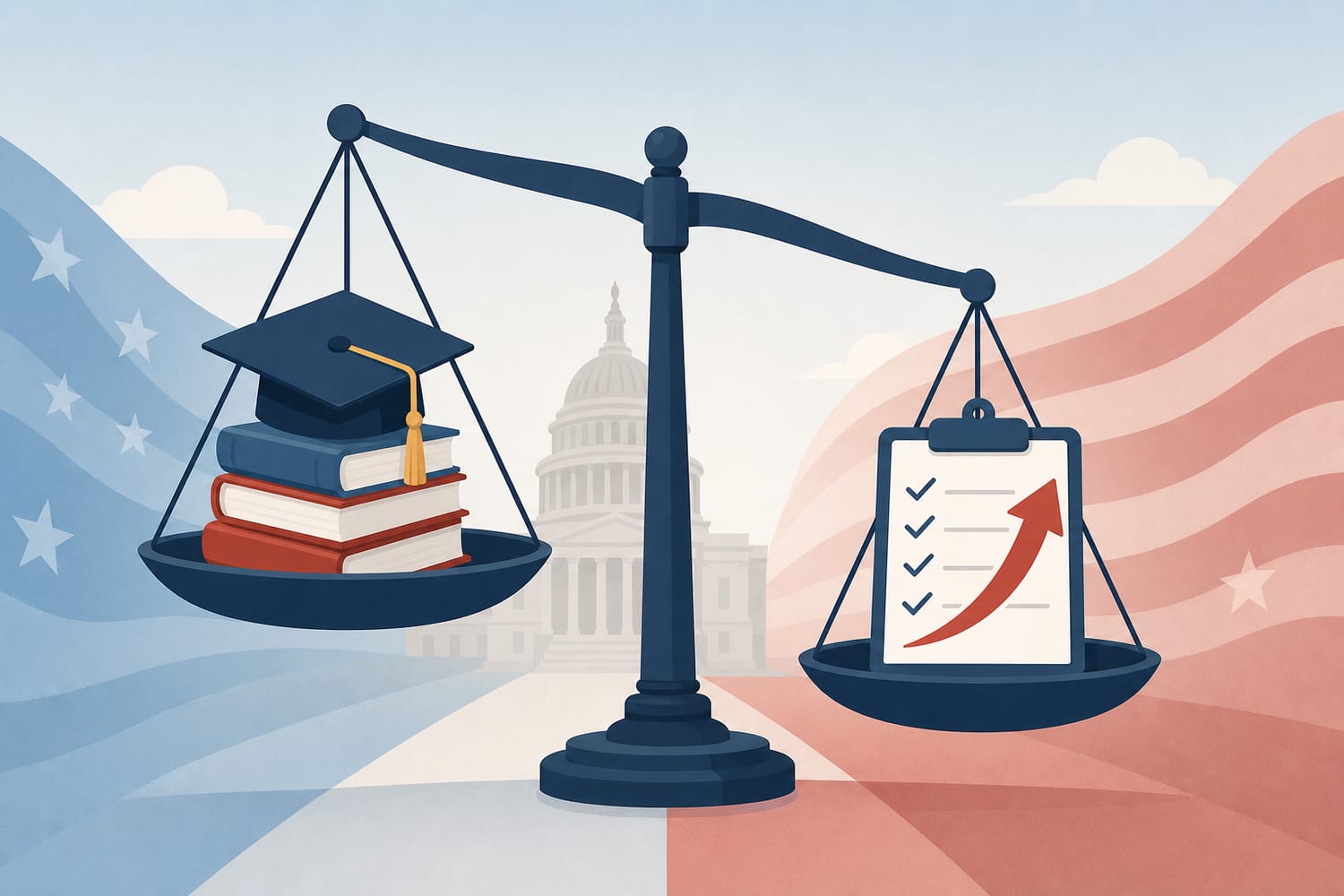
Grade inflation is one of the most persistent debates in education. At its simplest, the term refers to a rise in grades over time without clear evidence that student learning has improved at the same pace. In many schools, colleges, and universities, average grades have increased, and high marks have become more common. For some observers, this is a sign that standards are slipping and that grades no longer communicate what they once did. For others, rising grades may reflect better teaching, more effective learning support, broader access to educational resources, or changes in how achievement is measured.
The debate is complicated because grades serve many purposes at once. They are meant to measure learning, motivate students, communicate progress to families, help employers and universities make decisions, and sometimes determine access to scholarships or advanced programs. Because grades carry so much weight, disagreements about their meaning often become disagreements about fairness, quality, opportunity, and the purpose of education itself.
The Case That Standards Are Slipping
Critics of grade inflation argue that rising grades do not necessarily mean students are learning more. Instead, they say grades may be becoming less rigorous and less reliable. If a larger share of students receives A’s and B’s than in the past, the concern is that these grades may no longer distinguish exceptional work from average work.
One common argument is that pressure on teachers and professors has increased. In schools, educators may face expectations from parents, administrators, and students to avoid low grades because those grades can affect college admissions, scholarships, athletic eligibility, or student morale. In higher education, professors may worry that tough grading will lead to poor student evaluations, complaints, or lower course enrollment. In competitive academic environments, giving lower grades can sometimes create conflict, while giving higher grades may be easier and less controversial.
Critics also point to the possibility that assignments and assessments have become less demanding. If courses require less reading, fewer long-form writing assignments, or easier exams, then higher grades may reflect lowered expectations rather than improved achievement. From this perspective, grade inflation can hide gaps in knowledge and skills until students reach college, the workplace, or other settings where performance is judged differently.
Another concern is that grade inflation can weaken trust in academic credentials. If nearly everyone receives high marks, employers and admissions officers may find it harder to interpret transcripts. This can lead them to rely more heavily on other indicators, such as standardized test scores, internships, personal connections, or the reputation of the school. Critics argue that this may actually make the system less fair, especially for students who do not have access to prestigious institutions or professional networks.
The Case That Students May Be Learning More
Others argue that rising grades should not automatically be viewed as evidence of declining standards. They suggest that students today may genuinely be performing better in some areas because education has changed. Teachers have access to more research on learning, more data about student performance, and more tools for identifying when students need help. Schools and universities may also offer tutoring centers, writing labs, online resources, disability accommodations, and academic advising that were less common or less developed in the past.
From this point of view, higher grades could reflect better support systems. If more students are able to meet high expectations because they receive clearer feedback, multiple chances to practice, and targeted assistance, then grade increases may be a sign of improved teaching rather than weaker standards. In this interpretation, education should not be designed to sort students into fixed categories of success and failure. Instead, it should help as many students as possible master the material.
Supporters of this view also note that student populations have changed. More students from diverse backgrounds now attend advanced courses, colleges, and universities than in previous generations. Institutions may have become better at helping a wider range of students succeed. If grading systems were once designed around a narrower group of students, then comparing today’s grades with older averages may not tell the whole story.
There is also the argument that modern students face demanding academic and extracurricular expectations. Many take advanced classes, participate in service activities, work part-time jobs, complete internships, and prepare for competitive admissions processes. Some educators believe that high grades may reflect the fact that students are more strategic, organized, and achievement-oriented than before.
The Role of Assessment Design
A major part of the debate centers on what grades are actually measuring. Traditional grading often combines many factors: test scores, homework completion, participation, attendance, extra credit, improvement, effort, and behavior. Because grades can represent a mixture of academic and nonacademic elements, it is difficult to know whether an A always means strong mastery of the subject.
Some critics say this mixing of factors contributes to grade inflation. For example, if students can raise their grades through extra credit, completion points, or generous participation marks, final grades may overstate academic understanding. A student might receive a high course grade while still struggling with the central concepts.
Others respond that learning is broader than performance on exams. Participation, persistence, revision, collaboration, and completing work on time are meaningful skills. In many real-world settings, success depends not only on raw knowledge but also on communication, reliability, and the ability to improve through feedback. From this perspective, grades that include these elements may provide a fuller picture of student development.
Standards-based grading has emerged as one possible alternative. In this approach, students are evaluated according to specific learning goals rather than averages across many assignments. Advocates say it can reduce grade inflation by making expectations clearer and separating academic mastery from behavior or effort. However, critics worry that even standards-based systems can be applied inconsistently, and that they may still allow many students to earn high marks if retakes and revisions are unlimited.
Pressure From College Admissions and the Job Market
Grade inflation is often linked to competition. In high schools, students know that grade point averages can influence college admissions, scholarships, class rank, and access to honors programs. This creates strong incentives for students and parents to challenge grades that might reduce future opportunities. Teachers may feel caught between maintaining rigor and supporting students in a competitive system.
Colleges and universities face similar pressures. Students often view grades as connected to graduate school admissions, internships, jobs, and financial aid. A low grade can feel like a serious setback. In this environment, grades are not just feedback; they are currency. When the stakes are high, disputes over grading become more intense.
Some observers argue that grade inflation is a rational response to these pressures. If institutions know that their students are competing against students from schools with more generous grading practices, they may feel pressure not to disadvantage their own students. This can create a cycle in which high grades become increasingly common across institutions.
Others argue that this cycle harms everyone in the long run. If grades become less meaningful, schools and employers may turn to other measures that are also imperfect. Students may feel compelled to build longer resumes, take more advanced courses, or seek additional credentials to stand out. In this view, grade inflation does not reduce pressure; it simply moves the pressure elsewhere.
Equity and Fairness Concerns
The debate over grade inflation also raises questions about equity. Some people worry that strict grading policies can disproportionately harm students who face greater obstacles, such as financial stress, family responsibilities, inadequate prior schooling, language barriers, or limited access to academic support. From this perspective, flexible grading practices may help create a more humane and inclusive educational environment.
For example, allowing revisions or retakes can recognize that students learn at different speeds. Dropping the lowest quiz score or offering alternative assignments may account for illness, emergencies, or uneven preparation. Supporters of flexible grading argue that the goal should be mastery, not punishment for early mistakes.
On the other hand, critics argue that inflated grades may create a false sense of achievement, particularly for students who most need accurate feedback. If students receive high grades without developing strong skills, they may be unprepared for later challenges. This can be especially damaging if students enter college or the workforce believing they are ready, only to discover gaps that were never clearly communicated.
There is also concern that grade inflation may benefit already advantaged students. Students with more resources may be better able to negotiate grades, seek extra help, or choose schools known for generous grading. If grading standards vary widely, students with access to insider knowledge may gain an advantage over those who assume grades are comparable across classrooms and institutions.
Possible Ways Forward
Many proposed solutions aim to make grades more transparent rather than simply lower. One approach is to provide more detailed transcripts that include course difficulty, grade distributions, or narrative feedback. This could help colleges and employers understand what a grade means in context. However, such systems may be harder to standardize and could create privacy or complexity concerns.
Another option is to separate academic achievement from habits and behaviors. A transcript might report content mastery separately from effort, participation, attendance, or collaboration. Supporters say this would make grades more accurate. Critics worry it could make grading systems more complicated and harder for families, colleges, or employers to interpret.
Some institutions have considered grading curves, where only a certain percentage of students can receive top marks. Curves may limit grade inflation, but they can also create competition among students and may punish a class that performs unusually well. Others prefer criterion-based grading, where all students can earn high marks if they meet clearly defined standards. The challenge is ensuring that those standards remain meaningful and consistent.
Professional development for teachers and professors is another possible response. If educators share rubrics, compare samples of student work, and discuss expectations across departments, grading may become more consistent. This does not eliminate disagreement, but it can make standards more visible and defensible.
A Debate About the Meaning of Achievement
The debate over grade inflation is ultimately about more than grades. It reflects deeper questions about what schools should value, how achievement should be measured, and what fairness means in education. Those who worry about slipping standards emphasize rigor, honesty, and the need for grades to communicate real levels of mastery. Those who are less alarmed by rising grades emphasize improved teaching, broader opportunity, and the possibility that more students are succeeding because institutions are doing a better job helping them learn.
Both sides raise important concerns. Grades that are too generous can mislead students and weaken trust in academic records. Grades that are too rigid or punitive can discourage learning and reinforce inequality. The challenge is to create grading systems that are rigorous without being needlessly harsh, supportive without being misleading, and clear enough to be useful to students, families, educators, employers, and admissions committees.
There may be no single answer to whether students are learning more or standards are slipping. In some places, grade inflation may reflect real declines in rigor. In others, it may reflect better instruction and more effective support. The most productive path may be to move beyond the assumption that all rising grades mean the same thing and instead ask what students know, what they can do, and how clearly grades communicate that achievement.