
Why Medical Price Transparency Matters
Medical price transparency has become one of the most debated topics in healthcare. At its core, the idea seems straightforward: patients should be able to know what a medical service will cost before they receive it. In many areas of life, people compare prices before making decisions. They check the cost of flights, hotel rooms, home repairs, and groceries. Supporters of medical price transparency argue that healthcare should be no different.
But healthcare is not always like other markets. Medical decisions are often urgent, emotional, and complicated. A patient experiencing chest pain is not in a position to compare hospital prices. Someone newly diagnosed with cancer may care more about expertise, survival rates, and treatment options than price estimates. Even for routine care, the amount a patient pays can depend on insurance contracts, deductibles, copays, billing codes, facility fees, and whether a provider is in network.
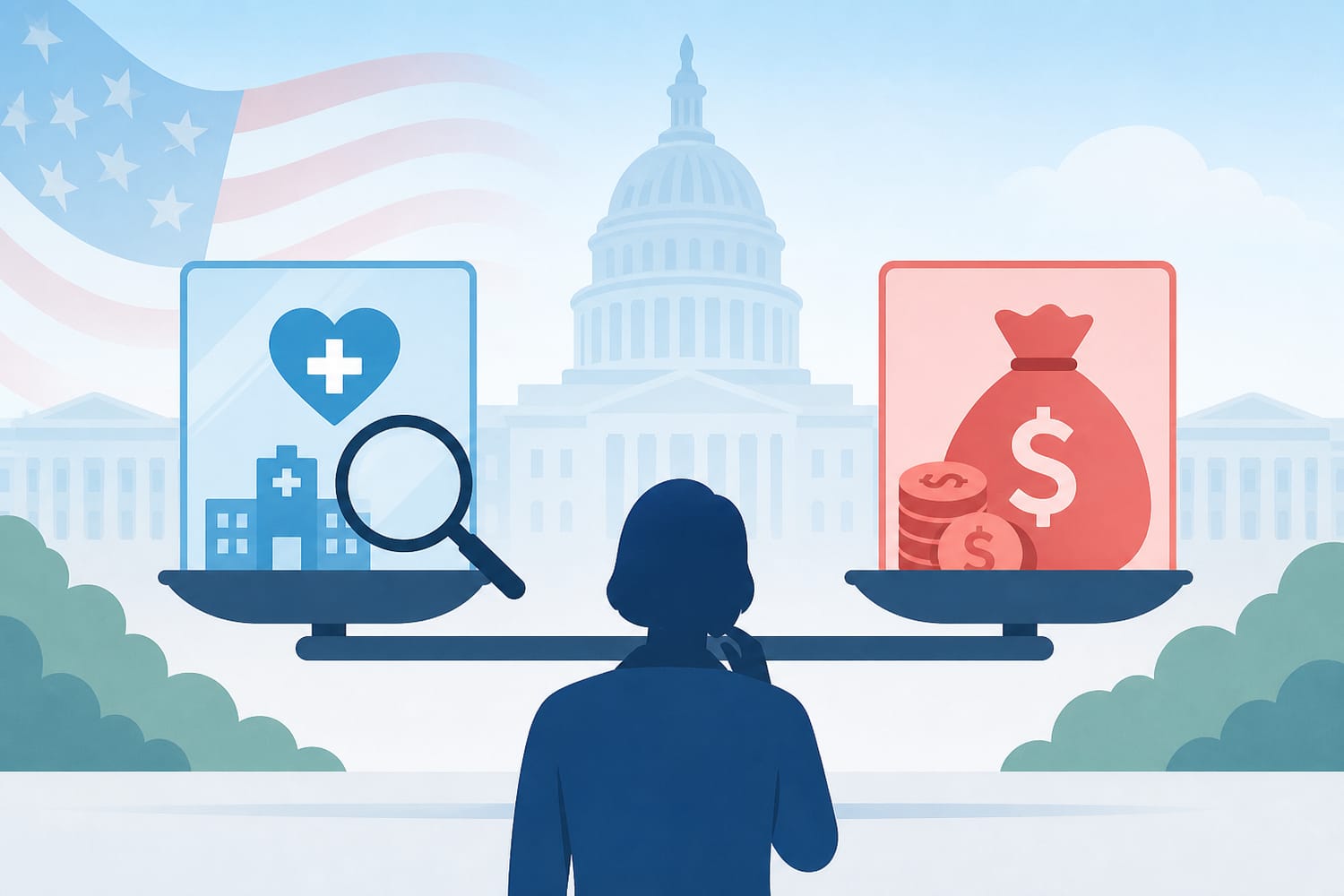
This tension is why medical price transparency inspires both optimism and skepticism. Some see it as a necessary step toward patient empowerment and market accountability. Others worry it may create more confusion, shift responsibility onto patients, or fail to address the deeper reasons healthcare costs are so high.
The Case for Empowering Patients
Supporters of price transparency argue that patients deserve clear information before they make healthcare decisions. They believe that hidden prices leave patients vulnerable to surprise bills, unaffordable charges, and financial stress. When prices are difficult to access, patients may not know whether they are choosing a lower-cost option or an extremely expensive one.
From this perspective, transparency is a matter of fairness. Patients are increasingly responsible for a larger share of healthcare costs through high-deductible health plans, coinsurance, and out-of-pocket maximums. If patients are expected to act like consumers, supporters argue, they should be given the tools consumers need.
Price transparency may be especially helpful for planned, non-emergency services. Imaging tests, lab work, physical therapy, elective procedures, and routine screenings can vary widely in cost from one facility to another. In theory, a patient who can compare prices may choose a lower-cost provider without sacrificing quality. Employers and insurers may also use transparent pricing tools to steer patients toward better-value care.
Advocates also argue that transparency could pressure hospitals, doctors, and insurers to justify their prices. If one facility charges far more than another for the same service, public pricing data may raise questions. Over time, competition could encourage providers to lower prices or offer clearer explanations for higher costs.
The Argument That Transparency Can Reduce Costs
One of the strongest claims made by supporters is that price transparency can help reduce overall healthcare spending. In a market where prices are hidden, healthcare providers may have less incentive to compete on cost. Patients, employers, and even some referring physicians may not know the financial impact of choosing one facility over another.
Transparency could change that. If patients can see that an MRI costs significantly less at an outpatient imaging center than at a hospital, some may choose the lower-cost setting. If enough patients make such choices, higher-priced providers may feel pressure to reduce prices or improve the value they offer.
Employers and health plans are also interested in transparency because they pay a large portion of healthcare expenses. Some have developed tools that show employees estimated costs for different providers. Others offer incentives, such as lower copays or cash rewards, for choosing lower-cost care.
However, the cost-saving argument depends on several assumptions. Patients must be aware that price tools exist. The tools must be accurate and easy to use. Patients must have enough time and flexibility to shop for care. They must also believe that lower-cost care is not lower-quality care. Critics argue that these conditions are not always present.
The Concern That More Information Does Not Always Mean More Clarity
Skeptics of price transparency do not necessarily oppose the idea of patients having access to prices. Instead, they question whether current transparency efforts provide information that patients can realistically understand and use.
Medical billing is complex. A single procedure may involve multiple charges from different entities: the hospital, surgeon, anesthesiologist, radiologist, laboratory, and pharmacy. A posted hospital price may not include all related services. A patient may see one number online and receive a very different bill later.
Insurance adds another layer of complexity. The “price” of a service can mean many things: the hospital’s list price, the insurer’s negotiated rate, the patient’s deductible responsibility, the copay, or the final out-of-pocket cost. A patient with one insurance plan may pay much less than a patient with another plan, even at the same facility for the same service.
Because of this, critics worry that transparency without simplification may overwhelm patients. Large spreadsheets of hospital charges may technically satisfy disclosure requirements but offer little practical help. If the information is hard to interpret, patients may become more confused rather than more empowered.
The Role of Quality and Trust
Another major issue is that price alone does not determine value in healthcare. Many patients are willing to pay more for a provider they trust, a hospital with a strong reputation, or a specialist with extensive experience. In some cases, higher prices may reflect advanced technology, specialized staff, or complex care capabilities. In other cases, they may reflect market power rather than better outcomes.
Critics argue that price transparency must be paired with quality transparency. A low-cost option is not necessarily the best option if it has poor outcomes, limited experience, or inadequate follow-up care. At the same time, a high-cost option is not automatically better.
Measuring healthcare quality is difficult. Outcomes depend on patient health, severity of illness, social factors, and many other variables. Simple ratings may not capture the full picture. Patients may also rely more on physician recommendations, family experiences, or reputation than on published quality scores.
Supporters of transparency acknowledge this challenge but argue that price information is still valuable. They say patients should not be forced to choose between knowing nothing and knowing everything perfectly. Even imperfect information may be better than total opacity.
The Emergency Care Problem
One of the clearest limits of price transparency is emergency care. In emergencies, patients usually cannot shop around. They may be unconscious, in severe pain, or transported by ambulance to the nearest hospital. In these situations, price information is unlikely to influence decision-making.
This is important because some of the most expensive healthcare occurs during emergencies, hospitalizations, and serious illnesses. Transparency tools may be most useful for routine or planned care, but less useful for the most financially devastating medical events.
Supporters respond that this limitation does not make transparency useless. Many healthcare services are scheduled in advance, and patients may benefit from better information in those cases. Critics counter that if transparency mainly helps with a limited portion of healthcare spending, it should not be presented as a broad solution to high medical costs.
The Perspective of Hospitals and Providers
Hospitals and healthcare providers have mixed views on price transparency. Some support it in principle and have invested in cost-estimator tools for patients. They argue that clearer pricing can improve trust and reduce billing disputes.
Others worry that transparency rules can be difficult and expensive to implement. Hospitals must manage thousands of billing codes, payer contracts, and patient-specific insurance details. Creating accurate, user-friendly estimates requires administrative resources and technology.
Providers also point out that medical care is often unpredictable. A procedure that seems simple may become more complicated. Additional tests, medications, or specialists may be needed. This makes it hard to give a guaranteed price in advance.
Some hospitals also worry that published negotiated rates could affect contract negotiations with insurers. If every payer can see what every other payer pays, prices could shift in unexpected ways. Supporters believe this visibility could lower prices, while skeptics warn that it could also encourage some providers to raise lower rates closer to higher ones.
The Perspective of Insurers and Employers
Insurers and employers often support transparency because they want to control costs. They may argue that patients make better decisions when they understand their financial responsibility. Insurers have developed online calculators that estimate out-of-pocket costs based on a patient’s plan and deductible status.
However, insurers also face criticism. Some patients find insurer tools difficult to use or inaccurate. Others argue that transparency should not be used to shift the burden of cost control onto patients while insurers and providers continue negotiating complex contracts behind the scenes.
Employers, especially those that self-fund health benefits, may see transparency as a practical way to manage spending. Still, they may also recognize that employees need guidance, not just raw data. A price comparison tool is more useful when paired with education, navigation support, and quality information.
The Equity Debate
Price transparency also raises questions about equity. Supporters argue that it can help lower-income patients avoid unexpectedly high bills and find affordable care. Clear prices may allow patients to plan, compare options, and ask better questions.
Critics worry that transparency may benefit people who already have more time, education, digital access, and confidence navigating the healthcare system. Patients with limited English proficiency, low health literacy, poor internet access, or urgent medical needs may not benefit equally.
There is also concern that transparency could normalize the idea that patients should shop for care even when their choices are constrained. A patient living in a rural area may have only one nearby hospital. A patient with a narrow insurance network may have few covered options. In these cases, knowing the price may not create real choice.
A Middle Ground
Many observers take a middle position: price transparency is useful, but it is not enough by itself. They argue that patients should have access to clear, personalized, and understandable cost estimates. At the same time, transparency should be combined with protections against surprise billing, better insurance design, quality reporting, and broader efforts to address high healthcare prices.
This view treats transparency as one tool among many. It may help some patients in some situations, especially for planned care. It may also encourage accountability among hospitals, insurers, and policymakers. But it cannot fully solve the complexity of healthcare pricing or eliminate the emotional and clinical realities of medical decision-making.
The debate ultimately comes down to expectations. If price transparency is seen as a complete fix for healthcare costs, it will likely disappoint. If it is seen as a step toward greater openness, it may have value. The challenge is making sure the information provided is accurate, usable, and meaningful for the people it is meant to help.