
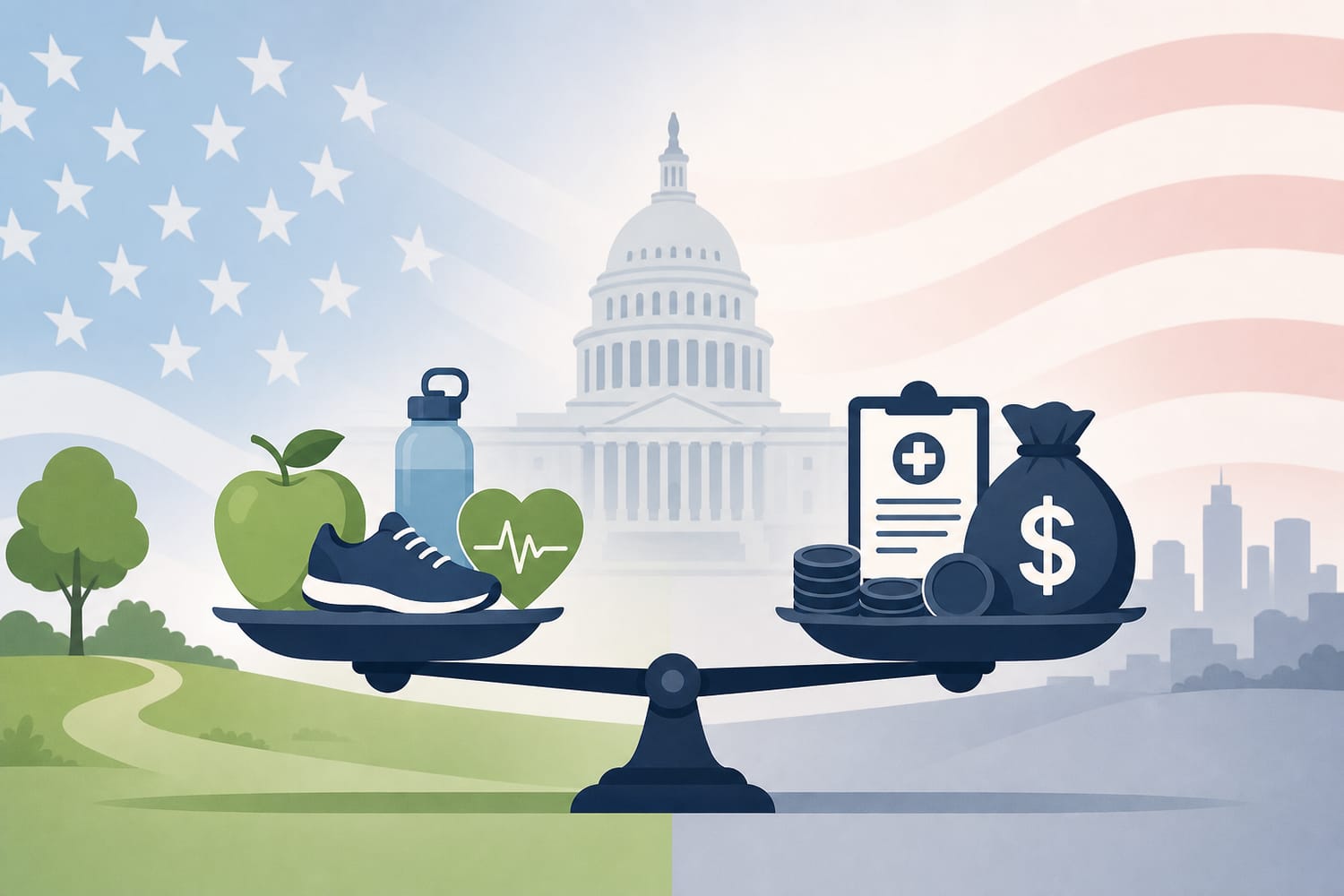
Preventive medicine sits at the center of one of America’s most persistent health care debates: should the country spend more to prevent illness before it becomes severe, or is the promise of prevention sometimes overstated? Supporters see prevention as a humane and financially responsible way to improve health, reduce suffering, and avoid expensive treatments later. Skeptics argue that while some preventive care is clearly valuable, not every screening, test, wellness program, or lifestyle campaign saves money or improves outcomes enough to justify its cost.
The debate is not simply between people who support health and those who do not. Nearly everyone agrees that preventing disease is preferable to treating advanced illness. The disagreement is over which preventive efforts work, who should pay for them, how much evidence should be required, and whether America’s health system is structured to benefit from prevention in the first place.
The Case for Prevention as an Investment
Supporters of preventive medicine argue that the American health care system is too reactive. Much of the country’s spending goes toward treating chronic diseases such as diabetes, heart disease, cancer, and respiratory illness after they have already developed. Advocates say this approach is costly, inefficient, and often devastating for patients.
From this perspective, investing in vaccination, cancer screenings, blood pressure control, smoking cessation, nutrition counseling, prenatal care, and early mental health support can reduce avoidable suffering. Prevention is not only about saving money; it is also about helping people live longer, healthier lives. A person who avoids a stroke because hypertension was detected and treated early may avoid disability, loss of income, and emotional hardship for their family.
Public health advocates often point to vaccines as one of the clearest examples of successful prevention. Immunization programs have dramatically reduced diseases that once caused widespread illness and death. Clean water, tobacco control, workplace safety rules, and infectious disease surveillance are also cited as preventive measures that have improved population health.
For many supporters, prevention also offers a way to address health inequities. Low-income communities and communities of color often face higher rates of chronic illness, limited access to primary care, environmental hazards, and fewer opportunities for healthy living. Preventive services, if designed well, could reduce these disparities by bringing care and resources to people before disease progresses.
The Concern About Overpromising Savings
Skeptics of broad preventive medicine initiatives often accept that some prevention is effective while questioning the common claim that prevention always saves money. They argue that the phrase “an ounce of prevention is worth a pound of cure” is appealing but not universally true in health economics.
Some preventive care does save money, especially when it is inexpensive and targets high-risk conditions. Vaccines, certain screenings, and smoking cessation programs can be highly cost-effective. However, other preventive services may increase total spending because they are provided to large numbers of healthy people, many of whom would never have developed the disease being screened for or prevented.
For example, screening programs can detect disease early, but they can also produce false positives, unnecessary follow-up tests, anxiety, and overtreatment. A test that seems simple may lead to biopsies, imaging, procedures, or medications that carry their own risks. Critics argue that if preventive care is promoted without careful evidence standards, it can become another source of medical overuse.
This side of the debate does not necessarily oppose prevention. Rather, it calls for distinguishing between high-value and low-value preventive care. Skeptics often favor guidelines based on rigorous evidence, such as recommendations from independent medical panels, rather than broad promises that more screening and more testing are always better.
The Role of Lifestyle and Personal Responsibility
Another major debate concerns lifestyle-related disease. Many chronic conditions are influenced by diet, exercise, tobacco use, alcohol consumption, sleep, stress, and environmental factors. Some argue that preventive medicine should place greater emphasis on personal responsibility and individual behavior change.
From this viewpoint, Americans need better incentives to make healthier choices. Employers, insurers, and government programs may encourage gym memberships, weight management programs, smoking cessation, and nutrition education. Supporters of this approach say individuals have meaningful control over many health risks and that prevention should empower people to take ownership of their well-being.
Others caution that focusing too heavily on personal responsibility can oversimplify the problem. A person’s choices are shaped by income, neighborhood safety, work schedules, food prices, advertising, education, trauma, and access to medical care. Telling people to eat healthier may have limited impact if they live in areas with few grocery stores, cannot afford fresh food, or work multiple jobs that leave little time for exercise or medical appointments.
This disagreement reflects a broader American tension between individual choice and structural conditions. Some believe prevention should motivate personal discipline; others believe it must address the social and economic environments that make healthy choices easier or harder.
Employers, Insurers, and Wellness Programs
Workplace wellness programs have become a visible part of preventive health in America. These programs may include health risk assessments, fitness challenges, biometric screenings, mental health resources, smoking cessation support, or financial incentives tied to health goals.
Supporters say employers have a practical interest in prevention. Healthier employees may have lower medical costs, fewer sick days, and better productivity. Wellness programs can also signal that an organization values employee well-being. For workers who might not otherwise seek preventive care, employer-sponsored programs can provide convenient access.
Critics question whether many wellness programs deliver meaningful health improvements. Some research suggests that while employees may appreciate wellness offerings, the programs do not always produce large reductions in health spending or measurable improvements in health outcomes. There are also concerns about privacy and fairness. Employees may worry that health data collected through workplace programs could affect how they are treated, even if legal protections exist.
Another criticism is that wellness programs can shift responsibility from employers and insurers onto workers. If an employee is penalized for not meeting certain health targets, critics argue this may punish people with disabilities, chronic conditions, genetic risks, or life circumstances that make behavior change difficult.
Preventive Medicine and the Business of Health Care
The financial structure of American health care complicates the prevention debate. In a fee-for-service system, providers are often paid for visits, procedures, and treatments rather than for keeping people healthy over time. This can create weak incentives for prevention, especially if the benefits occur years later or accrue to a different insurer after a patient changes jobs or health plans.
Supporters of payment reform argue that value-based care, accountable care organizations, and capitated payment models may encourage more prevention. If health systems are rewarded for outcomes rather than volume, they may invest more in care coordination, early intervention, and chronic disease management.
However, critics warn that value-based models also have challenges. Measuring prevention is difficult. Health outcomes are influenced by many factors outside the clinic, and providers may be unfairly judged for conditions they cannot fully control. There is also concern that efforts to reduce costs could lead to underuse of necessary care if incentives are poorly designed.
The business side of prevention also includes companies selling supplements, genetic tests, wellness apps, executive physicals, and longevity services. Some see innovation in this space as promising and consumer-friendly. Others worry that preventive medicine can become a marketplace of expensive promises, where wealthy consumers buy tests and services with uncertain benefits.
Public Health Versus Medical Prevention
Preventive medicine can mean different things. Clinical prevention happens in medical settings: screenings, medications, counseling, and checkups. Public health prevention focuses on populations: vaccination campaigns, anti-smoking laws, pollution control, road safety, housing policy, and food standards.
Many public health experts argue that America often underinvests in public health compared with medical care. They contend that the greatest gains may come not from more doctor visits, but from reducing environmental risks, improving maternal and child health, addressing addiction, preventing violence, and strengthening community infrastructure.
Others are cautious about expanding public health authority. They may worry about government overreach, restrictions on personal freedom, or one-size-fits-all policies. Debates over vaccine mandates, soda taxes, school nutrition standards, and pandemic restrictions show how preventive health policies can become politically charged.
This tension raises a difficult question: when does prevention justify collective action, and when should choices remain primarily individual? Americans often disagree not only about the evidence, but also about the proper role of government in shaping health behavior.
Finding a Middle Ground
A balanced view recognizes that preventive medicine is neither a cure-all nor a false promise. Some forms of prevention are among the most successful achievements in modern health care. Others are more uncertain, especially when marketed broadly without strong evidence or when they create unnecessary testing and treatment.
The most constructive debate may not be whether America should invest in prevention, but which preventive efforts deserve priority. High-value prevention tends to be evidence-based, targeted to those most likely to benefit, affordable, accessible, and respectful of patient choice. It also recognizes that health is shaped by both individual behavior and social conditions.
Preventive medicine asks the American health system to think beyond immediate illness. That is a worthy goal, but it requires honesty about trade-offs. Prevention can save lives, improve quality of life, and sometimes reduce costs. It can also be oversold, commercialized, or applied inefficiently. The challenge is to invest in wellness without paying uncritically for promises.