
Understanding Universal Basic Infrastructure
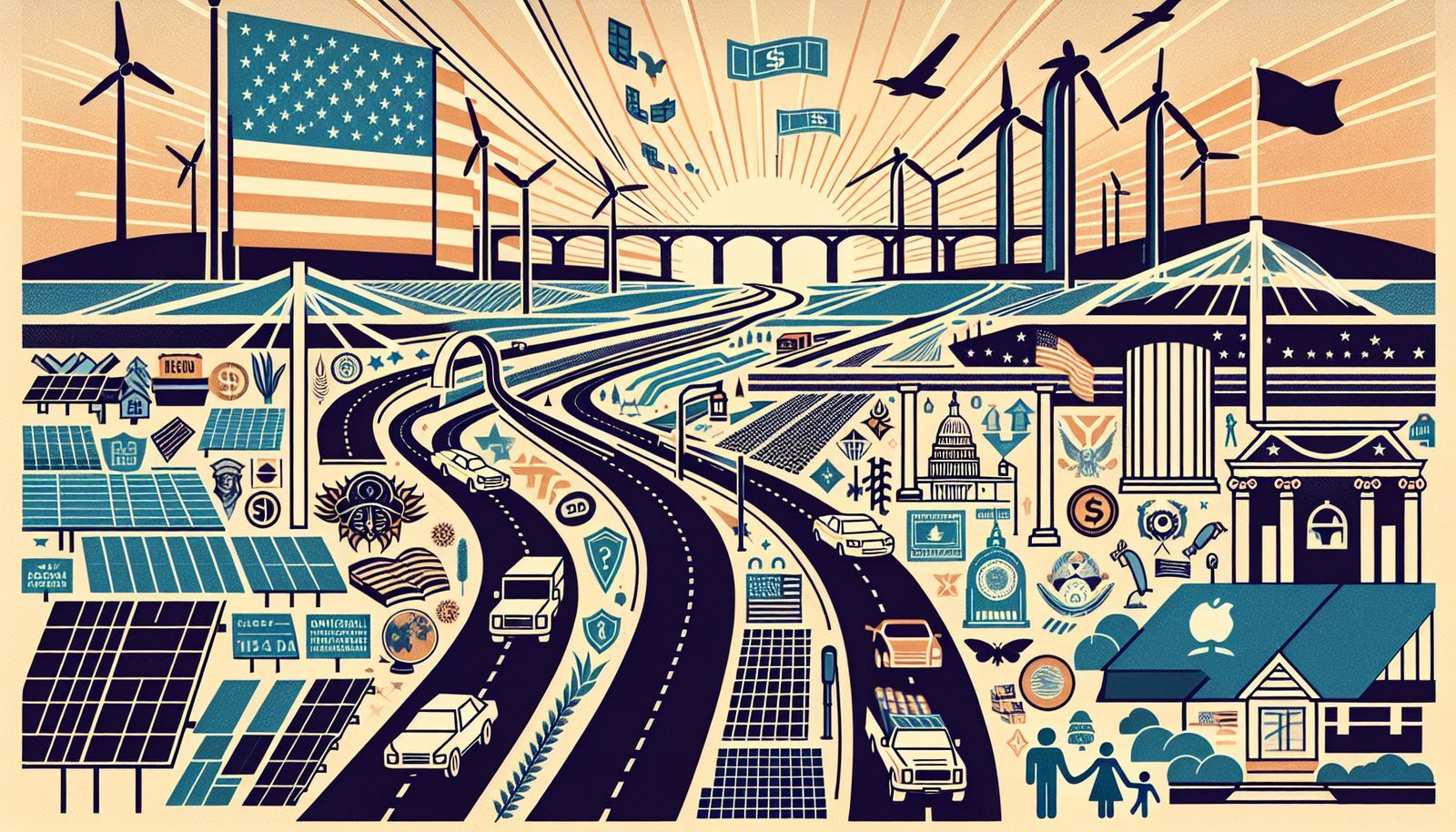
As discussions around Universal Basic Income (UBI) gain traction, another concept is emerging in the public discourse: Universal Basic Infrastructure (UBI). This idea proposes that every citizen should have access to essential infrastructure, such as transportation, broadband internet, clean water, and energy. Proponents argue that investing in such infrastructure can create a more equitable society, foster economic growth, and prepare for future challenges. However, critics raise concerns about feasibility, funding, and the potential for mismanagement. This blog post explores both sides of the debate surrounding the adoption of a Universal Basic Infrastructure program in the United States.
The Case for Universal Basic Infrastructure
Advocates for Universal Basic Infrastructure assert that it is a necessary investment in the nation’s future. They argue that access to quality infrastructure is a fundamental right that can help level the playing field for all citizens, particularly marginalized communities. Proponents believe that improved infrastructure can increase economic opportunities, enhance quality of life, and promote social mobility.
One of the key arguments in favor of UBI is that it can stimulate economic growth. By providing access to transportation and internet services, individuals can connect to job opportunities and educational resources, potentially leading to a more skilled workforce. Additionally, the installation and maintenance of infrastructure can create jobs, further boosting the economy. Investing in sustainable infrastructure may also help combat climate change by promoting renewable energy sources and reducing carbon footprints.
Furthermore, supporters contend that a Universal Basic Infrastructure program could reduce societal inequities. The current infrastructure landscape often reflects and exacerbates existing disparities. For instance, low-income neighborhoods may lack reliable public transportation or internet access, making it difficult for residents to find employment or engage in remote work. A UBI program could help bridge these gaps, promoting greater social and economic equity.
Concerns About Feasibility and Funding
Despite the compelling arguments in favor of Universal Basic Infrastructure, many critics voice concerns regarding its feasibility and funding. One of the most significant challenges is the sheer scale of such a program. Building and maintaining infrastructure requires substantial financial investment, and critics argue that the U.S. government may not have the resources or political will to support such an initiative.
Funding a Universal Basic Infrastructure program could involve reallocating existing budgetary resources, increasing taxes, or incurring debt, all of which are contentious topics in American politics. Critics argue that the public may be hesitant to support tax increases, especially in an era of economic uncertainty. Moreover, there are concerns about how to prioritize infrastructure projects and ensure that funds are allocated efficiently and effectively.
Another point of contention is the potential for bureaucratic inefficiencies. Critics warn that large government programs often suffer from mismanagement and waste, leading to suboptimal outcomes. They argue that past infrastructure projects have faced delays, cost overruns, and inadequate planning. The fear is that a Universal Basic Infrastructure program could replicate these issues on a much larger scale, ultimately failing to deliver the promised benefits.
The Role of Technology and Innovation
Another aspect of the debate revolves around the role of technology and innovation in infrastructure development. Proponents argue that advancements in technology can streamline the process of building and maintaining infrastructure, potentially reducing costs and increasing efficiency. Innovations such as smart grids, renewable energy technologies, and autonomous vehicles could revolutionize how the U.S. approaches infrastructure, making it more sustainable and adaptable to future needs.
Supporters also believe that technology can enhance access to infrastructure. For example, expanding broadband internet access through innovative solutions like satellite internet could connect underserved communities to essential services and opportunities. In this view, a Universal Basic Infrastructure program would not only invest in traditional infrastructure but also prioritize cutting-edge technologies that can improve quality of life.
On the other hand, critics caution that relying too heavily on technology might overlook fundamental issues related to equity and accessibility. They argue that technological solutions can sometimes exacerbate existing inequalities, as marginalized communities may lack the resources to take advantage of new technologies. Moreover, there are concerns about the digital divide and the risk that new infrastructure projects could prioritize urban areas over rural ones, further entrenching disparities.
The Political Landscape
The political feasibility of a Universal Basic Infrastructure program is another critical component of the debate. Some political factions view such a program as an essential component of a progressive agenda, advocating for a stronger role of government in addressing social and economic inequalities. They argue that a UBI program aligns with broader goals of social welfare and economic justice.
Conversely, conservative skeptics may view Universal Basic Infrastructure as an overreach of government intervention. They often advocate for market-driven solutions, arguing that private sector investment can more effectively address infrastructure needs. Critics from this camp may assert that government programs can stifle innovation and efficiency, potentially leading to a slower response to changing needs.
Additionally, the political landscape surrounding infrastructure investment is complex, with differing priorities at the local, state, and federal levels. This fragmentation can complicate efforts to implement a cohesive Universal Basic Infrastructure program. Local governments may have different needs and priorities, and a one-size-fits-all approach may not be effective.
Conclusion: Balancing Perspectives
The debate over whether the U.S. should adopt a Universal Basic Infrastructure program is multifaceted, encompassing economic, social, technological, and political considerations. While proponents highlight the potential benefits of increased equity, economic growth, and sustainability, critics raise valid concerns about feasibility, funding, and bureaucratic inefficiencies.
As the country grapples with aging infrastructure, growing inequalities, and the challenges of a rapidly changing economy, the conversation around Universal Basic Infrastructure is likely to continue. Finding common ground among differing perspectives will be essential to crafting a solution that addresses the infrastructure needs of all Americans while promoting a more equitable and sustainable future. Ultimately, the decision to pursue a Universal Basic Infrastructure program will depend on the ability to balance these competing interests and navigate the complexities of implementation.