
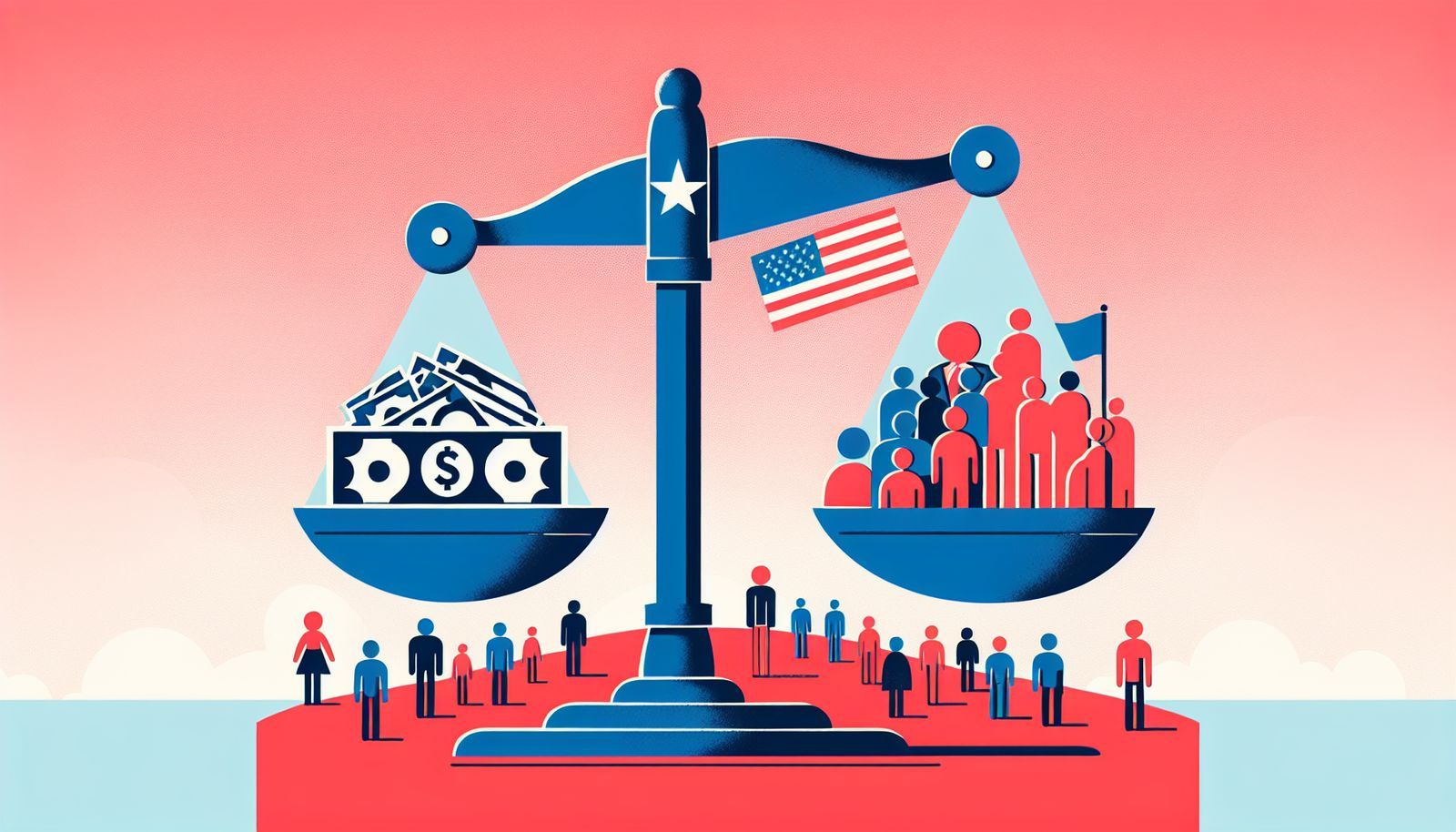
Universal Basic Income (UBI) has emerged as a compelling topic within the socio-economic discourse in the United States. Advocates argue that providing a guaranteed income to all citizens could alleviate poverty, promote economic stability, and adapt to a changing labor market. Conversely, critics raise concerns about the financial feasibility, potential disincentives to work, and the implications for social welfare programs. This post will explore the various arguments for and against UBI, providing a comprehensive overview of this complex issue.
Arguments For Universal Basic Income
One of the primary arguments in favor of UBI is the potential to reduce poverty and inequality. Proponents believe that a guaranteed income can provide a safety net for those who are struggling to meet basic needs, such as food, housing, and healthcare. By ensuring that everyone has a minimum level of financial security, UBI could lift many individuals and families out of poverty, thereby reducing reliance on other forms of social assistance.
Another significant argument is that UBI could stimulate the economy. Supporters contend that when people have disposable income, they are more likely to spend it on local goods and services. This increased consumer spending could lead to higher demand and, consequently, job creation. Moreover, UBI could encourage entrepreneurship, as individuals are more likely to take risks and start their businesses if they have a financial cushion.
Advocates also point to the changing nature of work in the modern economy. With the rise of automation and artificial intelligence, many traditional jobs are at risk of disappearing. UBI could serve as a buffer against job loss, providing individuals with the means to retrain or pursue new career paths without the immediate pressure of financial insecurity.
Furthermore, proponents argue that UBI could streamline welfare programs. By replacing a complex system of conditional support with a straightforward, unconditional payment, UBI could reduce administrative costs and eliminate the stigma associated with welfare. This simplification could lead to more efficient use of government resources.
Arguments Against Universal Basic Income
Despite the potential benefits, there are several arguments against implementing UBI. One of the most prominent concerns is its financial feasibility. Critics argue that providing a universal income would require significant funding, which could lead to increased taxes or cuts in other essential services. They question whether the government can sustain such a program in the long term, especially during economic downturns.
Another significant concern is the potential disincentive to work. Opponents argue that if individuals receive a guaranteed income regardless of their employment status, it may reduce their motivation to seek work or pursue job opportunities. This could lead to a decrease in labor force participation, which would have broader implications for the economy and productivity.
Moreover, critics contend that UBI might not effectively address the root causes of poverty. They argue that simply providing money does not solve issues such as lack of access to education, healthcare, or affordable housing. Instead, they believe that targeted programs that address these specific needs would be more effective in improving the lives of disadvantaged individuals.
Additionally, there are concerns about the potential inflationary effects of UBI. If everyone receives a basic income, it could lead to increased demand for goods and services, which might drive prices up. This could undermine the purchasing power of the income provided, ultimately negating some of the intended benefits of the program.
The Middle Ground
While the debate around UBI often appears polarized, there are those who advocate for a middle ground approach. Some suggest that instead of a universal payment to all citizens, a modified version of UBI could target specific populations, such as low-income individuals or families. This approach could address the financial concerns while still providing support to those who need it most.
Others propose a phased implementation of UBI, starting with pilot programs to assess its impact on various communities. Such trials could provide valuable data on the effects of UBI on poverty alleviation, labor market participation, and overall economic health. By learning from these experiments, policymakers could make more informed decisions about a potential nationwide rollout.
The debate over Universal Basic Income in the United States is multifaceted, with valid arguments on both sides. Proponents highlight the potential for poverty reduction, economic stimulation, and adaptation to a rapidly changing job market, while critics raise concerns about financial sustainability, work disincentives, and the need for targeted support. As discussions continue and pilot programs explore the practical implications of UBI, the outcome remains uncertain. Ultimately, the decision to embrace or reject UBI will require careful consideration of its potential impacts on society, the economy, and the future of work.