
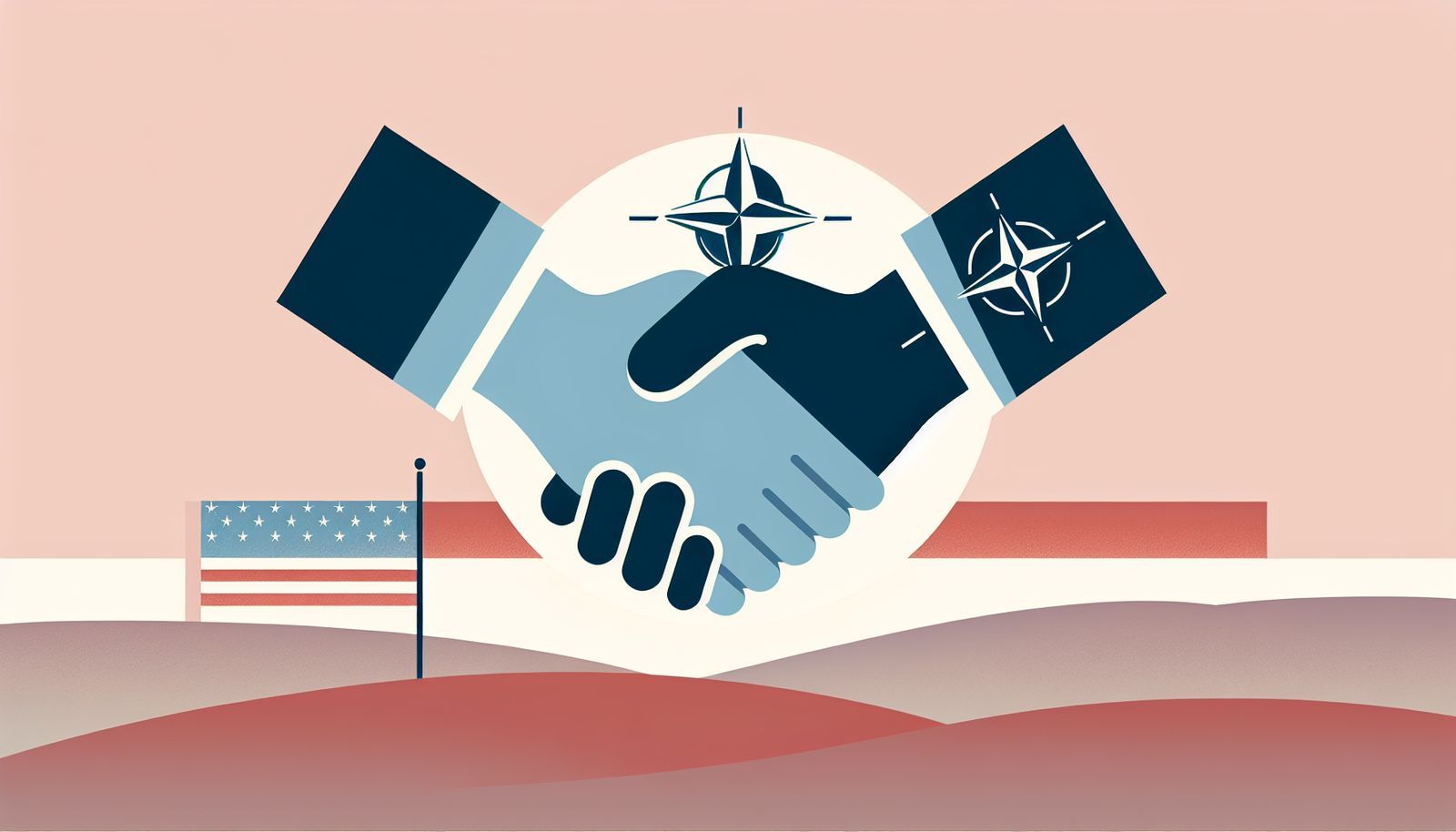
The North Atlantic Treaty Organization (NATO) has been a cornerstone of U.S. foreign policy and military strategy since its establishment in 1949. As a collective defense alliance, NATO was created to counter the Soviet Union during the Cold War and has since evolved to address a range of global security challenges. However, the question of whether the United States should withdraw from NATO has gained traction in recent years, sparking a contentious debate. Advocates and critics of U.S. membership present a variety of arguments, reflecting differing perspectives on national security, global alliances, and the changing landscape of international relations.
Arguments for Withdrawal
Proponents of U.S. withdrawal from NATO argue from several angles, emphasizing national sovereignty, financial burden, and changing geopolitical dynamics.
One of the primary arguments is that NATO membership infringes on U.S. sovereignty. Critics contend that the obligation to defend other member states under Article 5 of the NATO treaty could entangle the U.S. in conflicts that do not directly threaten American national interests. They argue that the U.S. should prioritize its own security and interests over collective commitments, especially when some NATO allies are perceived as not contributing their fair share to collective defense.
Financial considerations also play a crucial role in the withdrawal debate. NATO members are expected to spend at least 2% of their GDP on defense, a guideline that some argue the U.S. disproportionately meets. Supporters of withdrawal often point to the financial strain on U.S. taxpayers and argue that these funds could be better allocated to domestic issues, such as infrastructure, healthcare, or education.
Furthermore, advocates for withdrawal may argue that NATO is no longer relevant in the current geopolitical landscape. With the rise of new global powers and changing threats, such as cyber warfare and terrorism, some assert that NATO’s focus on traditional military alliances is outdated. They argue for a shift towards more flexible, bilateral agreements that better reflect contemporary security needs.
Arguments Against Withdrawal
Conversely, proponents of continued U.S. membership in NATO present a robust case for the alliance's ongoing relevance and importance.
One of the strongest arguments against withdrawal is the notion of collective security. Supporters assert that NATO serves as a deterrent against aggression from potential adversaries, particularly Russia. The principle of collective defense, where an attack on one member is viewed as an attack on all, is seen as a critical mechanism for maintaining peace and stability in Europe. Advocates argue that withdrawing from NATO could embolden adversaries and destabilize the region, potentially leading to increased conflict.
Additionally, NATO is viewed as an essential platform for political and military cooperation among member states. Supporters believe that the alliance fosters diplomatic dialogue and facilitates joint military exercises, which enhance interoperability among allies. This collaborative approach is seen as vital for addressing collective security challenges, including terrorism, cyber threats, and emerging geopolitical tensions.
Economic arguments also bolster the case for staying in NATO. Supporters highlight that collective defense reduces the overall defense burden on individual countries, allowing for a pooling of resources and capabilities. They argue that NATO’s presence in Europe provides a stabilizing influence that promotes economic development and trade, which ultimately benefits the U.S. economy as well.
The Role of Public Opinion
Public opinion plays a significant role in shaping the debate over U.S. involvement in NATO. Surveys indicate a divide in American attitudes toward the alliance, with some citizens expressing skepticism about its relevance and others valuing the security it provides.
Younger generations, in particular, may view NATO as less critical than previous generations, influenced by a changing global landscape and a focus on domestic issues. In contrast, older Americans who lived through the Cold War may hold a more favorable view of NATO, seeing it as a bulwark against authoritarianism and a promoter of democratic values.
Political leaders also reflect this divide. Some politicians, particularly those aligned with more isolationist ideologies, advocate for a reassessment of NATO's role and the U.S.'s commitment to the alliance. Conversely, many mainstream politicians, including those from both major parties, emphasize the importance of NATO in maintaining global stability and safeguarding American interests abroad.
Geopolitical Implications
The geopolitical implications of a U.S. withdrawal from NATO are significant and complex. Analysts warn that such a move could lead to a shift in the balance of power, particularly in Europe. The absence of U.S. military presence and support could create a vacuum that might be filled by adversarial states, potentially leading to increased aggression from Russia or China.
Moreover, a U.S. withdrawal could undermine the credibility of NATO and its members. Allies might feel insecure and compelled to increase their military capabilities independently, potentially leading to an arms race or increased tensions among European nations. This could also weaken the transatlantic alliance, which has been a cornerstone of U.S. foreign policy for decades.
Conversely, some argue that a recalibration of U.S. involvement in NATO could prompt member states to take greater responsibility for their own defense. Supporters of this view contend that a more assertive approach by European nations could ultimately lead to a more balanced and equal partnership within NATO.
The debate over whether the U.S. should withdraw from NATO encapsulates a broader discussion about national security, international alliances, and the changing dynamics of global politics. Proponents of withdrawal cite concerns about sovereignty, financial burdens, and outdated structures, while opponents stress the importance of collective security, geopolitical stability, and continued collaboration among allies. As the world evolves, this debate will likely remain a contentious and pivotal issue in U.S. foreign policy.