
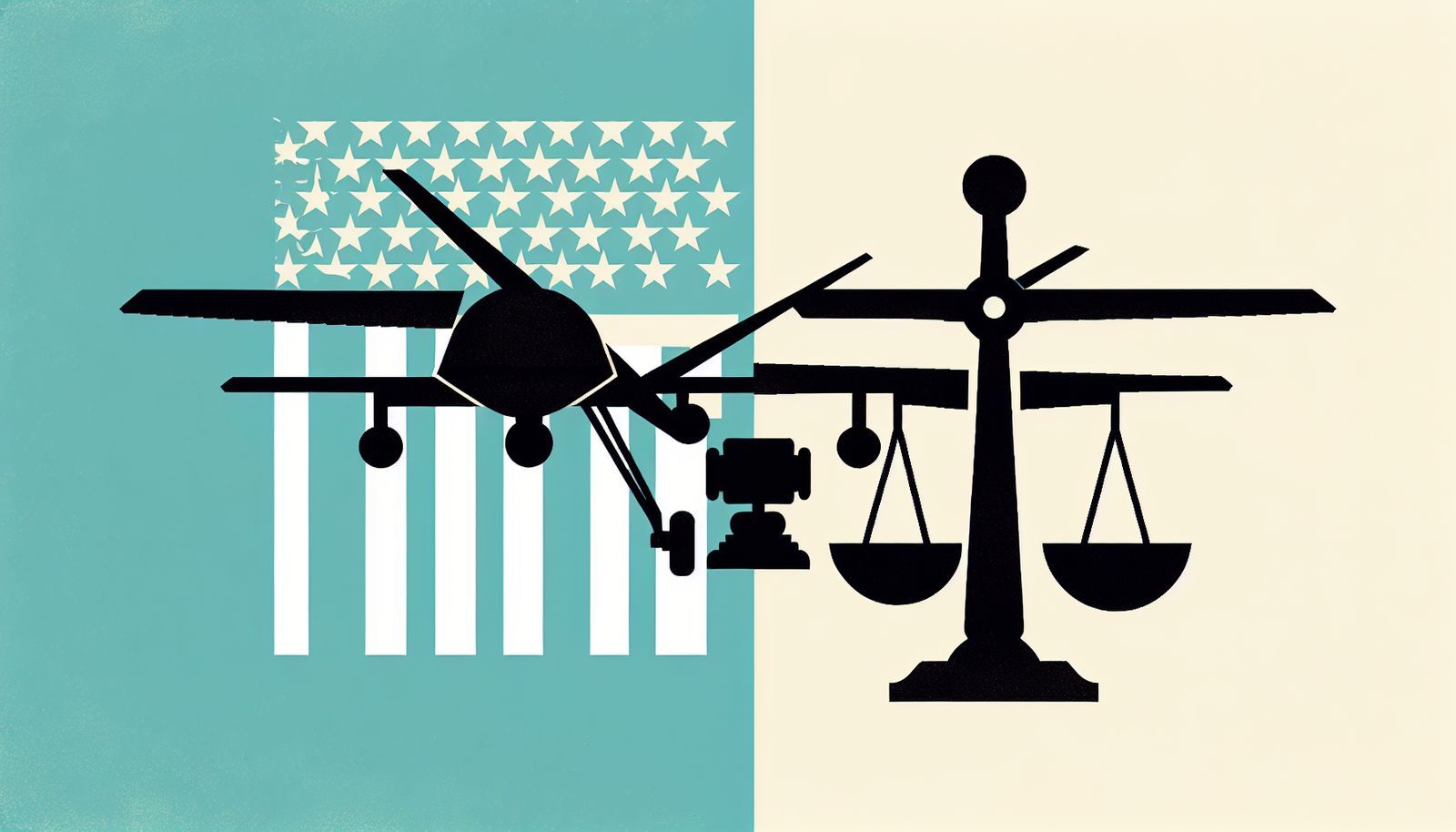
The use of drones in modern warfare has transformed the landscape of military engagement, creating a complex ethical debate surrounding their use. On one hand, proponents argue that drones enable precision strikes that minimize collateral damage and civilian casualties. Conversely, critics contend that drone warfare can lead to unjustified killings and a detachment from the realities of war. This blog post aims to explore the various perspectives on drone warfare, weighing the arguments for and against its use in combat.
The Case for Precision Strikes
Supporters of drone warfare argue that these unmanned aerial vehicles (UAVs) provide an unprecedented level of precision in targeting enemy combatants. Advocates assert that drones can significantly reduce collateral damage compared to traditional airstrikes or ground operations. The technological advancements in drone capabilities, such as high-resolution cameras and advanced targeting systems, allow for careful monitoring of targets before a strike is authorized. This precision is especially lauded in urban environments where the risk of civilian casualties is heightened.
Moreover, drone warfare is often touted as a means of reducing the number of troops deployed in combat zones. By utilizing drones, military forces can engage threats without placing soldiers in harm's way. This aspect is particularly appealing to nations that seek to minimize their military footprint while still addressing security concerns. Supporters argue that this approach can lead to more efficient military operations, as drones can be deployed quickly and can remain in the air for extended periods, providing persistent surveillance and rapid response capabilities.
The Human Cost of Drone Strikes
Despite the claims of precision, opponents of drone warfare highlight the significant human cost associated with these operations. One of the primary criticisms is the potential for collateral damage, leading to unintended deaths of civilians. Critics argue that the reliance on technology can create a disconnect between operators and the realities of war, leading to a desensitization to the loss of life. The ethical implications of remote killing are profound; when strikes are ordered from thousands of miles away, the emotional and psychological distance can impact decision-making processes.
Furthermore, the classification of "militants" can be vague, leading to questionable justifications for strikes. Opponents argue that the lack of transparency surrounding drone operations can result in innocent individuals being labeled as legitimate targets. This ambiguity raises important ethical questions about accountability and the standards used to determine who can be targeted in drone strikes. Critics assert that the potential for wrongful deaths undermines the moral high ground that military forces often claim to uphold.
The Legal Landscape
The legal framework governing drone warfare adds another layer of complexity to this debate. Proponents argue that drone strikes can be justified under international law, particularly in the context of self-defense against imminent threats. They assert that when targeting known terrorists or combatants, states are exercising their right to protect their citizens. The use of drones in counterterrorism operations is often framed as a necessary response to non-state actors who operate outside the bounds of traditional warfare.
Conversely, critics challenge the legality of drone strikes, particularly when they occur in countries where the host government has not consented to foreign military operations. The principle of state sovereignty is a cornerstone of international law, and many argue that unilateral drone strikes violate this principle. Additionally, the concept of "signature strikes," where individuals are targeted based on patterns of behavior rather than confirmed identities, raises significant legal and ethical concerns regarding due process and human rights.
Psychological Impact on Operators
The psychological impact of drone warfare extends beyond the victims of strikes; it also affects the operators who control the drones. While proponents may argue that drones reduce the risk to military personnel, the mental toll on drone operators can be significant. Studies have shown that individuals operating drones from remote locations can experience high levels of stress and trauma. The nature of their work, which often involves monitoring and engaging targets in real time, can lead to feelings of guilt and moral conflict.
Critics argue that the psychological burden on drone operators is often overlooked in discussions about the ethics of drone warfare. This oversight raises questions about the long-term implications of drone warfare on military personnel and the potential need for psychological support systems. The very act of remotely killing can lead to a cycle of desensitization, where operators may become numb to the consequences of their actions, further complicating the ethical dimensions of drone strikes.
The Role of Public Perception
Public perception plays a crucial role in shaping the discourse surrounding drone warfare. In some instances, drone strikes have garnered public support, particularly when they are portrayed as effective tools for combating terrorism. High-profile operations that eliminate key terrorist figures are often celebrated, reinforcing the narrative that drones are necessary for national security.
However, as reports of civilian casualties and controversial strikes emerge, public opinion can shift dramatically. Advocacy groups and civil society organizations have worked to raise awareness about the ethical and legal implications of drone warfare, calling for greater accountability and transparency. This growing public scrutiny can lead to increased pressure on governments to justify their use of drones and to consider the broader implications of their actions.
The ethics of drone warfare is a multifaceted issue that encompasses a broad spectrum of perspectives. Proponents argue for the efficiency, precision, and necessity of drone strikes in modern warfare, while critics highlight the potential for unjustified killings, legal ambiguities, and the psychological toll on operators. As the debate continues, it is essential for policymakers, military leaders, and society at large to engage in meaningful discussions about the implications of drone warfare, striving for a balance between security and ethical responsibility. The future of conflict may well depend on how these complex issues are navigated in the years to come.