
Why Digital Ownership Feels Unclear
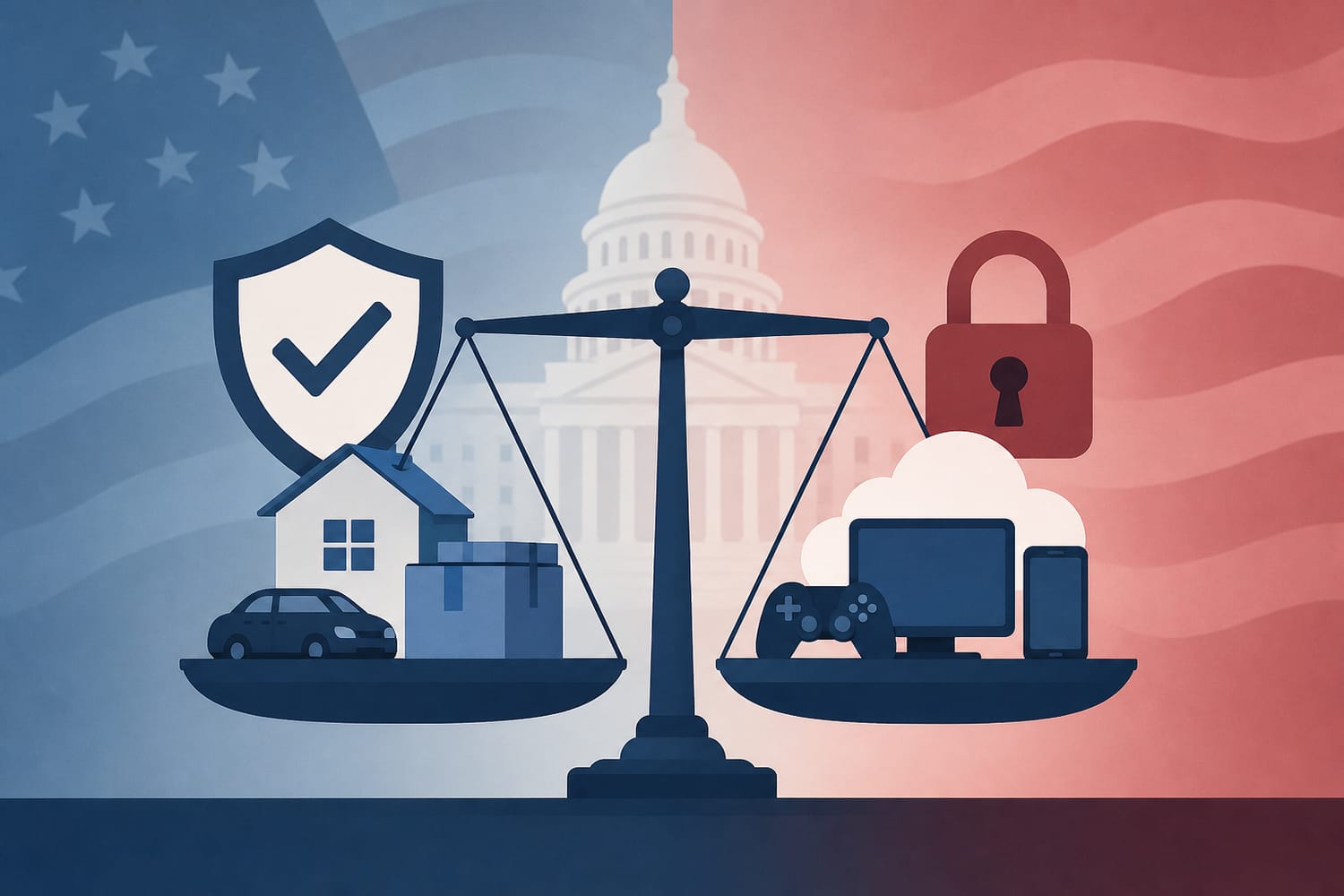
Buying something used to feel straightforward. If someone bought a book, a DVD, a video game cartridge, or a music album, they owned a physical object. They could lend it, resell it, keep it on a shelf, or use it decades later if the format still worked. Digital products changed that relationship. Today, people often “buy” movies, games, ebooks, software, music, and apps through online platforms, but what they actually receive may be a license to access content under certain conditions.
This has created an ongoing debate about digital ownership. Some argue that consumers are being misled when platforms use words like “buy” or “purchase” for content that can later be removed, altered, or made inaccessible. Others argue that digital access offers convenience, affordability, and flexibility that physical ownership never could. Between those positions are many practical, legal, and ethical questions about what ownership should mean in a digital economy.
The Consumer Perspective: Buying Should Mean Owning
Many consumers feel that if they pay a one-time price for a digital product, they should be able to keep using it indefinitely. From this viewpoint, the language used by digital storefronts matters. If a movie platform says a user can “buy” a film, the average customer may reasonably assume that the film is theirs in a meaningful way. They may not expect that licensing disputes, account bans, regional restrictions, or platform shutdowns could affect their access.
This concern becomes especially strong when people build large digital libraries. Someone might spend years purchasing ebooks, downloadable games, or digital movies, only to discover that their access depends on a company continuing to support a service. If that company goes out of business, loses distribution rights, changes its terms of service, or removes content, the consumer may have little control.
Supporters of stronger consumer ownership rights argue that digital goods should come with protections similar to physical goods. They may believe customers should have the right to download permanent copies, transfer purchases between platforms, resell digital items, or access them without constant internet verification. To them, digital purchases should not vanish simply because a business model changes.
The Platform Perspective: Access Is Part of the Service
Digital platforms often see the issue differently. From their perspective, they are not simply selling isolated products. They are providing an ongoing service that includes hosting, updates, cloud storage, account management, security, customer support, and compatibility across devices. A user who buys a digital movie, for example, may be paying not only for the content but also for the ability to stream it instantly on a phone, tablet, smart TV, or computer.
Platforms also point to licensing agreements. Many digital stores do not own the underlying movies, books, music, or games they distribute. They negotiate rights with publishers, studios, labels, developers, and other rights holders. Those agreements can be limited by region, time period, or platform. In this view, a storefront may not legally be able to grant permanent ownership in the same way a physical object can be owned.
There is also the issue of piracy and unauthorized distribution. Companies often argue that digital files are easy to copy and share at scale, so unrestricted ownership could undermine creators’ ability to earn revenue. Digital rights management, account-based access, and licensing restrictions are often defended as tools to protect intellectual property and keep digital marketplaces viable.
The Creator and Publisher Perspective: Control Protects Value
Creators and publishers are not always on the same side as platforms, but many share concerns about control. Authors, musicians, filmmakers, game studios, and software developers often rely on licensing systems to earn money from their work. Digital distribution can make their products available globally, but it can also make unauthorized copying much easier.
Some creators support limited access models because they allow more flexible pricing. A subscription service, for example, may expose users to a wider range of content than they would buy individually. A software company can offer lower upfront prices if it charges through ongoing subscriptions. A game studio can continue funding updates through downloadable content or live-service models.
However, not all creators favor restrictive digital systems. Some worry that large platforms gain too much power over distribution, pricing, and visibility. If a platform controls access to customers, creators may become dependent on its rules. A book can be removed from a store, a game can be delisted, or an app can be rejected because of policy changes. In those cases, creators may also feel that digital “ownership” is fragile, not only for consumers but for themselves.
The Legal View: Ownership and Licensing Are Different
Legally, the debate often turns on the difference between owning a copy and holding a license. With many digital products, users agree to terms of service or end-user license agreements that define what they can and cannot do. These agreements often state that the user is receiving a limited, non-transferable license rather than ownership of the content itself.
Critics argue that most people do not read these agreements and that companies should not be able to rely on fine print to contradict the ordinary meaning of “buy.” They believe consumer protection laws should require clearer language. If access can be revoked or depends on outside conditions, storefronts should say so plainly before purchase.
Defenders of the current system argue that licensing has long been part of media and software law. Even with physical media, consumers usually owned the disc or cartridge, not the intellectual property itself. They could not legally reproduce and sell copies of a film simply because they owned a DVD. From this perspective, digital licenses are not a new trick but an adaptation of existing copyright principles to new technology.
The legal challenge is that digital goods do not behave like physical goods. A physical book can be resold without creating a duplicate. A digital ebook can be copied perfectly. A physical game can remain playable if the console works. A digital game may require servers, patches, or authentication. Laws built around physical ownership do not always fit neatly into this environment.
The Case for Subscriptions and Access Models
Some consumers prefer access over ownership. Streaming services, cloud gaming, software subscriptions, and digital libraries can provide large catalogs for a monthly fee. Instead of buying individual albums, films, or programs, users can access many options at once. This can be cheaper and more convenient, especially for people who do not want to store files or manage physical collections.
Supporters of access-based models argue that ownership is not always necessary. Many people watch a movie once, play a game briefly, or use software only for a specific project. For them, renting access may be more practical than paying full price to own something forever. Subscription models can also reduce barriers to entry by spreading costs over time.
There are also benefits in updates and maintenance. Subscription software can improve continuously, fix security issues, and add features. Cloud-based services can sync work across devices and reduce the need for local storage. For many users, the value comes from convenience and reliability, not permanent possession.
The downside is dependence. If prices rise, catalogs shrink, accounts are suspended, or services close, users may lose access. What feels affordable in the short term can become expensive over many years. People who prefer ownership argue that subscriptions create a world where customers keep paying but never accumulate anything lasting.
Preservation, Culture, and the Risk of Disappearing Media
Digital ownership is not only a consumer issue; it is also a cultural one. Historians, archivists, researchers, and fans worry about what happens when digital works disappear. Online-only games may become unplayable when servers shut down. Digital films or music releases may be altered or removed. Apps can vanish from stores when developers stop updating them. Even ebooks can be changed after publication.
Those concerned with preservation argue that society needs ways to archive digital culture. Physical media, despite its limitations, can survive outside corporate servers. A decades-old book or record may still exist in a library, store, or private collection. Digital media often depends on authentication systems, proprietary formats, and platform support.
On the other hand, digital distribution can also preserve access in powerful ways. Rare books can be scanned, old music can be remastered, and independent games can reach audiences without physical manufacturing. Cloud storage can protect files from local damage. The same technology that creates fragility can also expand availability, depending on how systems are designed.
Possible Middle Ground
Some proposed solutions try to balance consumer expectations, creator rights, and platform realities. One idea is clearer labeling: instead of using “buy” for everything, platforms could distinguish between “own a downloadable copy,” “purchase a license,” “rent,” and “subscribe.” This would not solve every problem, but it could reduce confusion.
Another approach is requiring platforms to provide offline downloads for certain purchases, especially when content is marketed as permanent. Some suggest that if a company shuts down a service, it should offer users a way to retain access. Others propose digital resale rights, though that raises technical and copyright concerns.
Interoperability is another possible compromise. If consumers could transfer purchases between services, they would be less vulnerable to one platform’s failure. However, businesses may resist this because closed ecosystems encourage customer loyalty and simplify rights management.
What the Debate Is Really About
The debate over digital ownership is partly about law, partly about technology, and partly about trust. Consumers want clarity and confidence that money spent on digital products will not disappear without warning. Platforms want flexibility to manage licenses, security, and services. Creators want compensation and control over their work. Each side has legitimate concerns.
At the center is a simple question with no simple answer: when people pay for digital goods, what should they be entitled to receive? The answer may vary depending on whether the product is a movie, a game, an ebook, a song, or a piece of software. It may also depend on whether the transaction is presented as a purchase, a rental, or a subscription.
As more of life moves into digital environments, this issue is likely to become more important. The future may not fully return to traditional ownership, but it may also not remain comfortable with vague access rights. The most stable path may be one where companies are clearer, consumers are more informed, and laws better reflect how digital products actually work.