
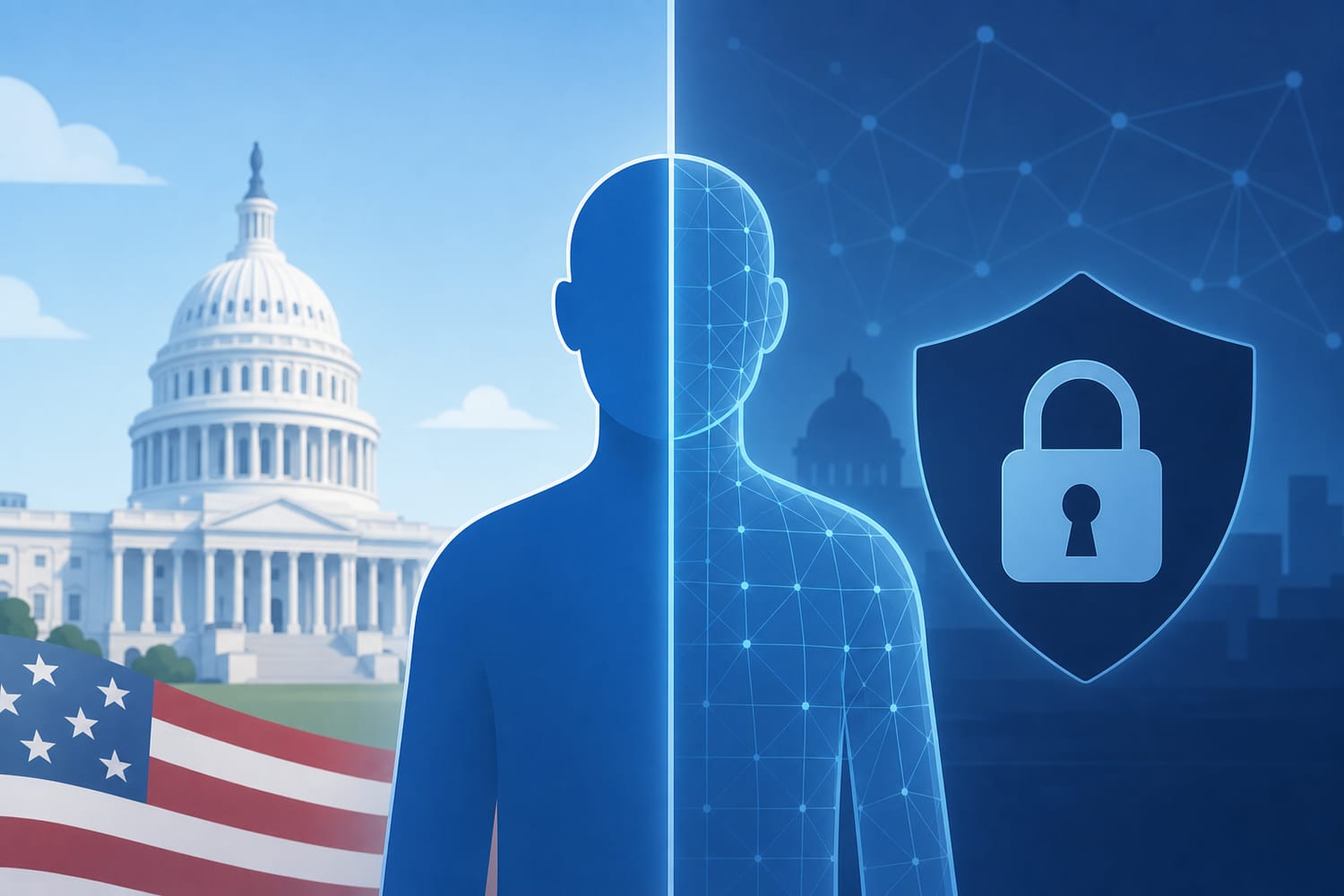
Digital twins are virtual representations of physical objects, systems, processes, or even people. They are built using data from sensors, records, simulations, and analytics to mirror real-world conditions in digital form. A digital twin of a factory might show how machines are performing in real time. A digital twin of a city could model traffic, energy use, or emergency response. In healthcare, a digital twin of a patient might help doctors test treatment options before applying them in real life.
Supporters see digital twins as one of the most important technologies of the coming decades. They argue that these systems can make industries more efficient, cities more sustainable, and healthcare more personalized. Critics, however, warn that digital twins may create new forms of surveillance, data misuse, and inequality. Because these models often rely on large amounts of sensitive information, the question is not only what they can do, but who controls them and how they are used.
The debate around digital twins is not simply about technology being “good” or “bad.” It is about trade-offs. Digital twins may solve complex problems, but they may also introduce risks that are difficult to predict. Understanding the different sides of the debate is essential as governments, companies, hospitals, and communities decide how widely this technology should be adopted.
The Case for Innovation and Efficiency
One of the strongest arguments in favor of digital twins is that they can help organizations make better decisions. By creating a detailed digital version of a real-world system, decision-makers can test scenarios without disrupting actual operations. For example, an airline can use digital twins to predict when an aircraft component might fail, allowing maintenance teams to act before a problem becomes dangerous or expensive.
In manufacturing, digital twins can help reduce downtime, improve product quality, and lower costs. A company can simulate changes to a production line before implementing them, avoiding waste and mistakes. Energy companies can use digital twins to manage power grids more efficiently, balancing demand and supply in real time.
Supporters argue that these benefits are not just about profit. More efficient systems can also reduce environmental impact. A digital twin of a building can help optimize heating, cooling, and lighting, lowering energy consumption. A city can model traffic patterns to reduce congestion and emissions. In this view, digital twins are tools for smarter resource use and better planning.
Those who favor rapid adoption often describe digital twins as a natural evolution of data-driven decision-making. They argue that many industries already collect huge amounts of data, and digital twins simply make that data more useful. Instead of relying on static reports or delayed analysis, organizations can work with dynamic models that reflect changing conditions.
The Promise of Better Healthcare
Healthcare is one of the areas where digital twins generate both excitement and concern. Advocates imagine a future where doctors can create digital models of individual patients, based on genetics, medical history, lifestyle, imaging, and real-time health data. These models could be used to predict disease risk, test medications, or personalize treatment plans.
For patients with complex conditions, this could be transformative. A digital twin might help doctors understand how a person’s heart will respond to a procedure, or how a cancer tumor might react to different therapies. Instead of using a one-size-fits-all approach, healthcare providers could make decisions based on a patient’s specific biology.
Supporters also point to public health benefits. Digital twins of hospitals could improve patient flow, reduce waiting times, and prepare for emergencies. During disease outbreaks, population-level models could help officials understand how infections might spread and what interventions might work.
However, even many supporters acknowledge that healthcare digital twins raise special privacy questions. Medical data is among the most sensitive information a person can share. If digital twins combine genetic data, behavioral data, and health records, the result could be an extremely detailed picture of someone’s life. The potential benefits are significant, but so are the risks if that information is leaked, sold, or used unfairly.
Privacy Concerns and Surveillance Risks
Critics of digital twins often focus on the amount and type of data needed to make them work. A digital twin is only as useful as the information it receives. In many cases, this means continuous data collection through sensors, cameras, wearable devices, smartphones, and connected infrastructure.
For a machine or bridge, that may not seem controversial. But when digital twins involve people, workplaces, homes, or cities, privacy concerns become much more serious. A smart city digital twin might track traffic, air quality, and energy use, but it could also collect data about where people go, when they travel, and how they behave in public spaces.
Some critics worry that digital twins could normalize constant monitoring. In workplaces, employers might use digital twins to analyze employee productivity, movement, or behavior. While companies may argue that this improves safety and efficiency, employees may feel watched or pressured. The line between optimization and surveillance can become unclear.
There is also concern about secondary use. Data collected for one purpose may later be used for another. A person might agree to share health data for medical treatment, but not for insurance pricing or employment screening. A city resident might accept traffic monitoring, but not individual tracking. Critics argue that without strict rules, digital twins could become powerful tools for profiling and control.
Questions of Consent and Control
A major issue in the debate is consent. Digital twins often rely on data from many sources, and individuals may not fully understand how their data is being used. Even if people agree to terms and conditions, those agreements are often long, technical, and difficult to interpret.
Supporters of digital twins argue that privacy can be protected through anonymization, encryption, data minimization, and strong governance. They say that it is possible to design systems that use data responsibly while still delivering benefits. In this view, the problem is not digital twins themselves, but poor implementation.
Skeptics respond that anonymization is not always reliable. When many data points are combined, individuals can sometimes be re-identified, even if names and obvious identifiers are removed. Location patterns, health details, or behavioral data can be highly revealing. The more detailed the digital twin, the harder it may be to guarantee privacy.
Control is another concern. Who owns a digital twin? If a company builds a digital twin of a worker’s performance, does the worker have any rights over it? If a hospital creates a digital twin of a patient, can the patient delete it or move it to another provider? If a city builds a digital twin using public data, should residents have a say in how it is used?
These questions do not yet have clear answers in many legal systems. Some observers argue that new regulations are needed before digital twins become deeply embedded in everyday life.
Economic Opportunity and Inequality
Digital twins may create major economic opportunities. Technology companies, engineering firms, healthcare providers, and urban planners are already investing in digital twin platforms. Countries that develop expertise in this area may gain competitive advantages in infrastructure, manufacturing, and artificial intelligence.
Businesses argue that digital twins can increase productivity, support innovation, and create new jobs in data science, modeling, cybersecurity, and systems engineering. Smaller companies may also benefit if digital twin tools become affordable and accessible through cloud platforms.
At the same time, there are concerns about unequal access. Large corporations and wealthy governments may be able to build sophisticated digital twins, while smaller organizations and poorer regions fall behind. If digital twins become essential for efficiency and planning, those without access could be disadvantaged.
There is also a risk that the benefits and burdens may not be evenly distributed. For example, a city may use a digital twin to improve transportation, but certain neighborhoods may receive more investment than others based on biased data or political priorities. In healthcare, personalized digital twins may first be available only to wealthier patients or advanced medical systems.
Critics argue that digital twins could reinforce existing inequalities if they are developed without attention to fairness. Supporters counter that the technology can also help identify inequality by making hidden patterns visible. Much depends on how models are designed, what data is included, and who participates in decision-making.
Accuracy, Bias, and Overreliance
Another side of the debate concerns the reliability of digital twins. A digital twin is not reality itself. It is a model, and all models involve assumptions, simplifications, and possible errors. If the data feeding the model is incomplete or biased, the twin may produce misleading results.
In some settings, inaccurate digital twins could have serious consequences. A flawed model of a bridge, power grid, or medical patient could lead to unsafe decisions. A biased urban model could direct resources away from communities that need them. A workplace model could label certain employees as inefficient based on narrow or unfair measurements.
Some experts warn against overreliance on digital twins. Because these systems can look sophisticated and precise, decision-makers may trust them too much. A simulation may produce a confident prediction, but that does not mean it is correct. Human judgment, transparency, and independent review remain important.
Supporters generally agree that digital twins must be validated and monitored. They argue that good models can improve over time, especially when real-world feedback is used to correct errors. For them, the answer is not to reject digital twins, but to build standards for accuracy, accountability, and auditability.
Security and Cyber Risk
Digital twins may also become attractive targets for cyberattacks. Because they can be connected to critical systems, such as factories, hospitals, utilities, or transportation networks, compromising a digital twin could have real-world effects.
An attacker who gains access to a digital twin might steal sensitive data, manipulate simulations, or disrupt operations. If decision-makers rely on altered model outputs, they could make harmful choices without realizing the information has been compromised. In industrial settings, a hacked digital twin could potentially be used to understand vulnerabilities in physical infrastructure.
Supporters of digital twin technology argue that cybersecurity can be built into these systems from the start. Strong authentication, encryption, access controls, and monitoring can reduce risk. They also note that digital twins can improve security by helping organizations detect anomalies and simulate threats.
Critics respond that more connected systems mean a larger attack surface. The more digital twins are integrated into essential services, the more important it becomes to secure them. They argue that cybersecurity should not be treated as an afterthought or optional cost.
Finding a Balanced Path Forward
The debate over digital twins reflects a broader question about modern technology: how can society benefit from powerful data systems without giving up privacy, autonomy, and fairness? Digital twins could improve healthcare, infrastructure, sustainability, and economic productivity. They could also expand surveillance, deepen inequality, and create new security risks.
A balanced approach may involve clear rules about consent, data ownership, transparency, and accountability. Organizations using digital twins may need to explain what data is collected, how it is used, who can access it, and how long it is stored. Independent audits and public oversight may be especially important when digital twins affect communities, patients, workers, or critical infrastructure.
The future of digital twins is not predetermined. Their impact will depend on design choices, business incentives, regulation, and public involvement. Some people see them as a breakthrough that can help solve complex problems. Others see them as a warning sign of a world where everything and everyone is continuously modeled and monitored.
Both perspectives raise important points. Digital twins may revolutionize life in many beneficial ways, but they also require careful governance. The challenge is not simply to adopt or reject the technology, but to decide under what conditions it should be trusted.