
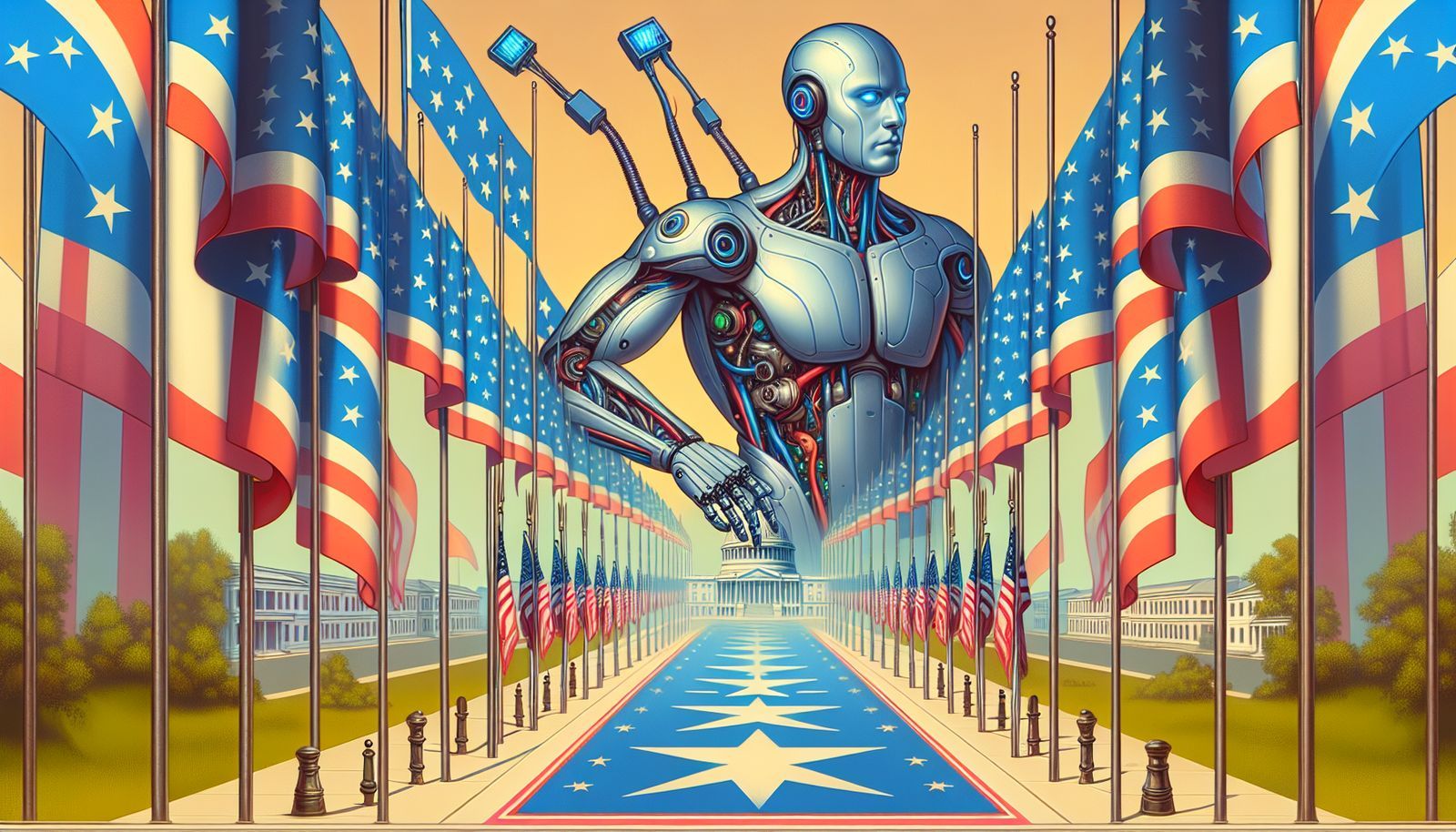
The rapid evolution of robotics has triggered a profound debate about their role in society. As advancements in artificial intelligence (AI) and machine learning drive the capabilities of robots, questions arise regarding their implications for human life. Some view robotics as a means to enhance well-being, improve productivity, and tackle complex challenges. Others worry that these machines may replace human jobs, reduce social interaction, and lead to ethical dilemmas. This blog post explores the multifaceted perspectives on the future of robotics, examining the potential benefits and drawbacks.
Enhancing Human Life: The Optimistic View
Proponents of robotics emphasize the myriad ways in which these technologies can significantly improve human life. Robots are increasingly employed in healthcare, where they assist in surgeries, provide elderly care, and facilitate rehabilitation. For instance, robotic surgical systems allow for minimally invasive procedures, reducing recovery times and improving patient outcomes. In eldercare, robots can monitor health conditions and provide companionship, addressing the loneliness that many seniors experience.
Additionally, robotics has the potential to revolutionize industries such as agriculture and manufacturing. Autonomous vehicles and drones can optimize crop yields, reduce labor costs, and minimize environmental impact. In manufacturing, robots enhance precision and efficiency, leading to higher quality products and lower production costs. Supporters argue that by automating repetitive tasks, robots free humans to focus on creative and strategic endeavors, ultimately leading to a more innovative and productive workforce.
The Workforce Dilemma: Job Displacement Concerns
On the other side of the debate lies the concern about job displacement due to automation. Critics argue that as robots take over tasks traditionally performed by humans, significant segments of the workforce may find themselves obsolete. Sectors such as retail, transportation, and manufacturing are particularly vulnerable. For instance, the rise of autonomous delivery vehicles could threaten jobs in logistics, while self-checkout systems in grocery stores may reduce the need for cashiers.
This issue raises questions about economic inequality and workforce adaptation. Many fear that the benefits of robotics will be unevenly distributed, with wealth concentrating in the hands of those who own and control these technologies. Without adequate retraining programs and social safety nets, vulnerable workers may struggle to transition to new roles, leading to increased unemployment and social unrest. Critics argue that society must proactively address these issues to ensure a more equitable future.
Ethical Considerations: The Moral Implications of Robotics
The integration of robotics into everyday life also brings forth a host of ethical dilemmas. As robots become more autonomous and capable of making decisions, questions arise about accountability and responsibility. For example, in the context of autonomous vehicles, if an accident occurs, who is liable—the manufacturer, the software developer, or the owner of the vehicle? Such questions challenge existing legal frameworks and necessitate new regulations.
Moreover, the use of robots in sensitive areas such as healthcare and law enforcement raises concerns about privacy, consent, and bias. For instance, robots utilizing AI algorithms may inadvertently perpetuate existing biases in society, leading to unfair treatment of certain groups. The ethical implications of deploying robots in surveillance and policing further complicate the discussion, as they may infringe on fundamental rights and liberties.
In response, advocates for responsible robotics emphasize the importance of establishing ethical guidelines and regulatory frameworks to govern the development and deployment of these technologies. They argue that interdisciplinary collaboration is crucial to address the complex moral questions raised by robotics.
Human-Robot Interaction: Redefining Relationships
As robots become more integrated into daily life, the nature of human-robot interactions is changing. Some experts suggest that robots can enhance social connections by providing companionship and support, particularly for the elderly or individuals with disabilities. Social robots, for example, are designed to interact with humans in a way that mimics human behavior, fostering emotional connections and reducing feelings of isolation.
Conversely, critics argue that reliance on robots for social interaction may diminish genuine human relationships. As people increasingly turn to machines for companionship, there is a risk of eroding the quality of human connections. This concern is particularly relevant in the context of children, who may grow up forming attachments to robots rather than developing social skills with peers.
The debate over human-robot interaction raises fundamental questions about what it means to be human and how relationships are defined in an age of advanced technology. While some envision a future where robots complement human life, others caution against the potential for emotional detachment and social fragmentation.
The Future Landscape: Balancing Innovation and Humanity
Looking ahead, the future of robotics presents both opportunities and challenges. The potential for innovation is vast, with robots poised to tackle pressing global issues such as climate change, healthcare accessibility, and food security. However, realizing this potential requires a careful balance between embracing technological advancements and safeguarding human interests.
To navigate this complex landscape, a collaborative approach is essential. Policymakers, technologists, and ethicists must work together to create frameworks that encourage responsible innovation while addressing societal concerns. Public discourse is also vital, as it allows diverse voices to contribute to shaping the future of robotics.
Ultimately, the question of whether robotics will enhance or replace human life may not have a definitive answer. Instead, it may hinge on how society chooses to integrate these technologies into daily life and the values that guide their development. The path forward will likely involve continuous dialogue, adaptability, and a commitment to prioritizing human well-being in the face of rapid technological change.