
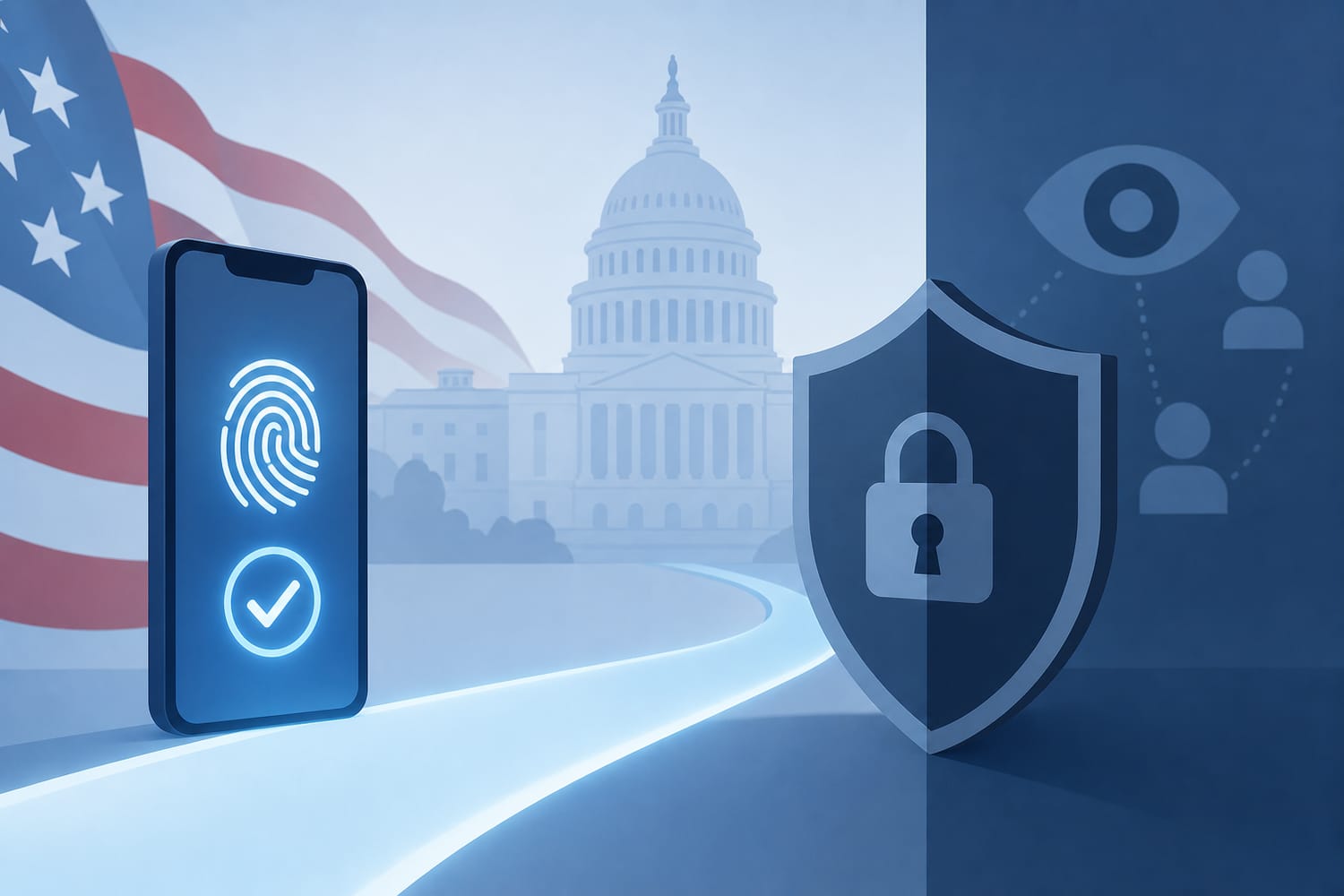
Why Passwordless Login Is Gaining Momentum
For decades, passwords have been the default way people prove who they are online. They are familiar, easy to create, and simple for websites to implement. But they are also one of the weakest parts of digital security. People reuse them, forget them, write them down, choose predictable ones, and fall for phishing emails that trick them into handing credentials to attackers.
Passwordless login is often presented as the next major shift in online authentication. Instead of typing a password, users might unlock an account with a fingerprint, face scan, hardware security key, device PIN, email link, or passkey. Major technology companies, banks, workplace software providers, and cybersecurity experts increasingly support this transition.
Yet the debate is not simply “passwords are bad, passwordless is good.” Passwordless systems may reduce some security risks while introducing new questions about privacy, control, accessibility, and dependence on large technology platforms. Supporters see a safer and more convenient future. Critics worry that the cure could create a different set of problems.
The Case for Better Security
The strongest argument for passwordless login is security. Passwords are vulnerable because they can be stolen, guessed, leaked, or reused across many websites. A single data breach can expose millions of usernames and passwords, and attackers often test those same credentials on other services.
Passwordless methods, especially passkeys based on public-key cryptography, are designed to avoid many of these weaknesses. With passkeys, the user’s device holds a private key, while the website stores only a public key. The private key is not shared with the website, so there is no password database for attackers to steal in the traditional sense.
Supporters also argue that passwordless login can reduce phishing. If a fake website asks for a password, a user might type it in. But a passkey is tied to a legitimate website domain, meaning it generally will not authenticate on a fraudulent copy. Hardware security keys offer similar protection and have been widely praised in high-risk environments such as journalism, government, and enterprise security.
From this perspective, passwordless login is not just a convenience upgrade. It is a response to the reality that password-based security has become too fragile for the modern internet.
The Convenience Argument
Another major point in favor of passwordless login is usability. Many people struggle with password rules, password resets, and multi-factor authentication codes. Security experts often recommend unique, complex passwords for every account, but this is difficult without a password manager. Even then, password managers require setup, trust, and a learning curve.
Passwordless login can make the experience smoother. A user may simply unlock their phone with a fingerprint or face scan and be signed in. For everyday users, this can feel faster and less stressful than remembering dozens of credentials.
Businesses also see benefits. Password resets are costly for organizations, especially large companies with internal IT support teams. If employees no longer forget passwords, help desk requests may decrease. Companies may also reduce account takeover incidents, fraud, and downtime.
However, convenience can cut both ways. Some critics argue that making login too seamless may reduce users’ understanding of what is happening. If authentication becomes invisible, people may have less awareness of which device, platform, or biometric system is controlling access to their accounts.
Privacy Concerns Around Biometrics
One of the most common concerns about passwordless authentication is the use of biometrics, such as fingerprints, facial recognition, or voice recognition. Supporters often point out that in many modern systems, biometric data stays on the user’s device and is not sent to websites. For example, a phone may confirm that the correct user unlocked the device, while the website only receives proof of authentication.
Still, privacy advocates remain cautious. Biometric traits are deeply personal and cannot be changed like passwords. If a password is compromised, a user can reset it. If biometric data is compromised or misused, the consequences may be more permanent.
There is also concern about normalization. If people become comfortable using face or fingerprint scans for every login, biometric identification may expand into more areas of life. Critics worry this could encourage broader surveillance, especially in workplaces, public services, or countries with weak privacy protections.
Some defenders of passwordless systems respond that the issue is not passwordless login itself, but how it is implemented and regulated. They argue that strong privacy rules, local storage of biometric data, and transparent design can address many of these concerns.
Dependence on Devices and Platforms
Passwordless login often depends on a trusted device, such as a smartphone, laptop, or hardware security key. This raises practical concerns. What happens if someone loses their phone? What if a device is stolen, damaged, or locked? What if a person cannot afford newer devices that support the latest authentication standards?
Supporters say recovery systems can solve these problems. Passkeys can be synced through cloud accounts, backed up across devices, or recovered using trusted methods. Hardware keys can be registered in pairs so users have a backup. In theory, passwordless systems can be both secure and resilient.
But critics worry about platform dependence. If a person’s passkeys are stored in an Apple, Google, or Microsoft ecosystem, switching platforms may become harder. Users may become more tied to the companies that manage their devices and identity tools. Even if standards are designed to be interoperable, the real-world experience may still favor large technology providers.
This concern is especially relevant for people who value digital independence. Passwords are flawed, but they are portable and understandable. A password can be written down, stored offline, or moved between tools. Passwordless credentials may be more secure, but also more complex and less visible to the user.
Inclusion and Accessibility Questions
Passwordless login may improve accessibility for some people while making it harder for others. For users with memory difficulties, typing challenges, or low digital confidence, biometric login or device-based authentication can be easier than managing passwords.
At the same time, not everyone can use every biometric method. Facial recognition may fail for some users due to lighting, disability, aging, or system bias. Fingerprint scanners may not work reliably for people with certain skin conditions, manual laborers with worn fingerprints, or individuals with physical differences. Some people may also object to biometrics for religious, cultural, or personal reasons.
There are also global equity concerns. Passwordless systems often assume access to modern smartphones, secure operating systems, and stable internet connections. In regions where people share devices, use older hardware, or rely on public computers, passwordless login may create barriers.
Advocates argue that passwordless should not mean “biometrics only.” A well-designed system can offer multiple options, including hardware keys, PINs, device-based approvals, or recovery codes. Critics agree that choice is important, but they warn that companies may prioritize the cheapest or most convenient methods rather than the most inclusive ones.
Enterprise and Government Perspectives
Organizations have strong incentives to move away from passwords. Corporate breaches often begin with stolen credentials, phishing attacks, or weak employee passwords. Passwordless systems can reduce these risks and improve compliance with security standards.
In workplaces, however, passwordless login can also raise employee privacy concerns. If workers must use biometric authentication or personal phones to access company systems, questions arise about consent, monitoring, and data separation. Employees may wonder whether their employer can track when, where, or how they authenticate.
Government use of passwordless identity systems creates another layer of debate. Secure digital identity could make public services easier to access and reduce fraud. But centralized identity systems may also expand state power if not carefully limited. Privacy advocates often warn that convenience in government authentication should not lead to unnecessary data collection or cross-agency tracking.
The balance between security and civil liberties becomes especially important when authentication is linked to essential services such as healthcare, taxes, voting, immigration, or benefits.
The Role of Trust
The passwordless future depends heavily on trust. Users must trust device makers, browser developers, operating systems, cloud providers, app developers, employers, and governments. They must believe that authentication systems are secure, private, recoverable, and not designed to lock them in.
Supporters argue that trust in passwordless systems is no different from trust already placed in banks, phone manufacturers, and software platforms. They point out that passwords also require trust: users trust websites to store credentials safely, even though history shows many fail to do so.
Critics respond that passwordless authentication may concentrate power in fewer hands. If a small number of companies control the main identity infrastructure, they may gain influence over access to the digital world. Even if these companies act responsibly, outages, policy changes, account suspensions, or legal demands could affect millions of users.
This is why open standards, competition, transparency, and strong regulation are central to the debate. The technical design matters, but so does the governance around it.
A Future Still Being Negotiated
Passwordless login is not a single technology or a single policy choice. It includes passkeys, biometrics, hardware tokens, magic links, device approvals, and other methods. Some are more secure than others. Some protect privacy better than others. The outcome depends on implementation.
The optimistic view is that passwordless authentication can make online life safer and easier. It can reduce phishing, limit damage from data breaches, and remove the burden of remembering endless passwords. For many users and organizations, this is a meaningful improvement.
The cautious view is that passwordless systems could introduce new risks: biometric normalization, platform lock-in, accessibility problems, recovery failures, and greater dependence on powerful intermediaries. These concerns do not necessarily mean passwordless login should be rejected, but they do suggest it should not be adopted blindly.
The debate is ultimately about more than passwords. It is about who controls digital identity, how much privacy people retain, and whether security improvements can be achieved without reducing user autonomy. The passwordless future may be safer, but its privacy impact will depend on choices being made now by companies, governments, and users alike.