
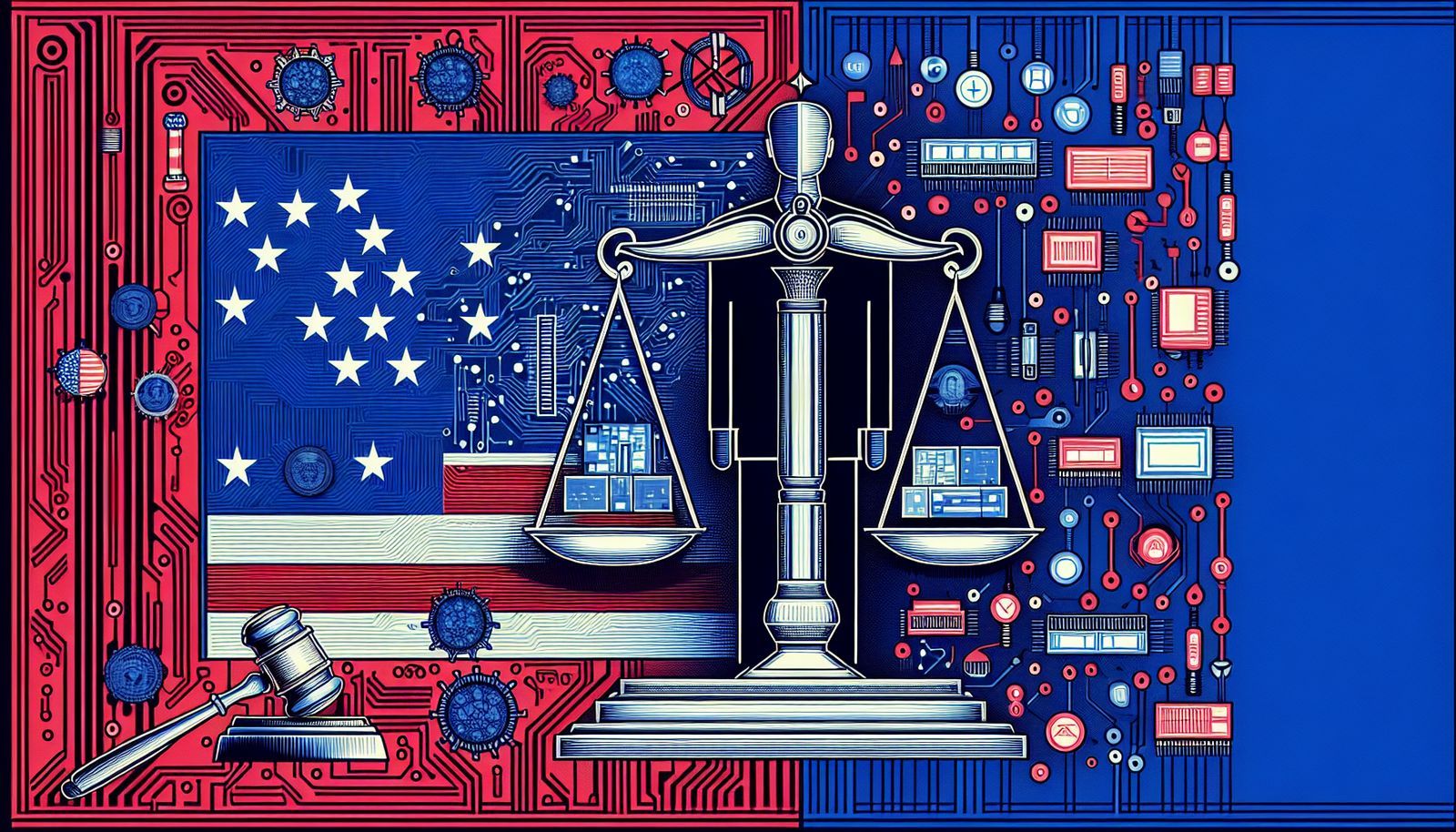
The integration of technology into the criminal justice system has sparked a heated debate among policymakers, law enforcement, civil rights advocates, and the general public. Proponents argue that technology enhances efficiency, improves public safety, and leads to better outcomes for both law enforcement and communities. On the other hand, critics caution that the same technologies can perpetuate existing biases, infringe on civil liberties, and undermine the fairness of the justice system. This blog post explores the dual nature of technology in criminal justice, examining both perspectives to provide a comprehensive overview of this complex issue.
The Promise of Technology in Criminal Justice
Advocates for the use of technology in criminal justice highlight several key benefits that suggest a transformative potential for the system.
One major area of improvement is data analytics. Law enforcement agencies are increasingly using data-driven approaches to identify crime hotspots, allocate resources more effectively, and predict criminal activity. Proponents argue that such predictive policing techniques can lead to more proactive law enforcement, potentially reducing crime rates and enhancing community safety.
Additionally, technology has improved forensic science. Innovations such as DNA testing, digital evidence collection, and enhanced surveillance capabilities have made it easier to solve crimes and exonerate the innocent. Supporters believe that these advancements can lead to more accurate investigations, ultimately fostering a more just legal system.
Furthermore, technology can improve transparency and accountability. Body-worn cameras, for instance, are becoming standard for police officers in many jurisdictions. These devices can provide objective evidence during encounters between law enforcement and the public, potentially reducing incidents of misconduct and providing a clearer picture of police interactions.
Concerns About Technology's Impact on Bias
Despite the potential benefits, critics of technology in criminal justice argue that it can exacerbate existing biases and inequalities. A significant concern is the reliance on algorithms and data analytics, which can unintentionally reinforce systemic biases present in historical crime data. For example, predictive policing algorithms might disproportionately target minority communities, as they often rely on past arrest data that reflect biased policing practices.
The use of facial recognition technology has also raised alarms. Critics argue that these systems are often less accurate for people of color and women, leading to higher rates of false positives and wrongful accusations. This has serious implications for civil liberties and trust in law enforcement, particularly among marginalized communities who may already feel over-policed.
Moreover, the implementation of technology can lead to an erosion of privacy. Surveillance technologies, including drones and extensive camera networks, can monitor individuals without consent or oversight, raising ethical questions about the extent to which society is willing to trade privacy for security.
The Balance Between Efficiency and Fairness
A central question in the debate over technology in criminal justice is how to balance efficiency with fairness. Proponents argue that technology can streamline processes, reduce the burden on the judicial system, and facilitate timely interventions. For example, case management software can help courts manage dockets more effectively, ensuring that cases are processed in a timely manner.
However, critics contend that efficiency should not come at the expense of justice. Rushed processes can lead to inadequate legal representation and increased likelihood of wrongful convictions. The push for speed in the justice system may prioritize expedience over thoroughness, potentially compromising the quality of legal outcomes.
Additionally, the reliance on technology may lead to a dehumanization of the criminal justice process. Critics argue that technology can create a disconnect between law enforcement and communities, where officers may rely more on data than on interpersonal skills and community engagement. This shift can erode trust and collaboration between police and the communities they serve.
Potential Solutions and Future Directions
To address the concerns surrounding technology in criminal justice, various stakeholders are advocating for more responsible and equitable use of these tools. One proposed solution is increased transparency in algorithmic decision-making. By making the algorithms and data sources used in predictive policing and risk assessments publicly available, the potential for bias can be scrutinized and addressed.
Moreover, training for law enforcement officials on the ethical use of technology can help ensure that officers understand the implications of their tools. This includes recognizing biases in data and understanding the limitations of the technologies they employ.
Another avenue for improvement is implementing community oversight mechanisms. Engaging community members in discussions regarding the use of technology in policing can foster trust and ensure that the tools employed align with the needs and values of the community.
Finally, ongoing research is crucial to assess the impact of technology on criminal justice outcomes. By studying the effects of different technologies on various demographics, stakeholders can better understand how to mitigate biases and enhance the fairness of the justice system.
The role of technology in criminal justice is a complex and multifaceted issue that raises significant questions about efficiency, equity, and ethics. While technology has the potential to improve outcomes and enhance public safety, it can also exacerbate existing biases and undermine trust in the system. As society continues to grapple with these challenges, open dialogue and a commitment to ethical practices will be essential in navigating the future of technology in criminal justice. By addressing concerns while harnessing the benefits, there is potential for a more fair and effective justice system that serves all members of society.